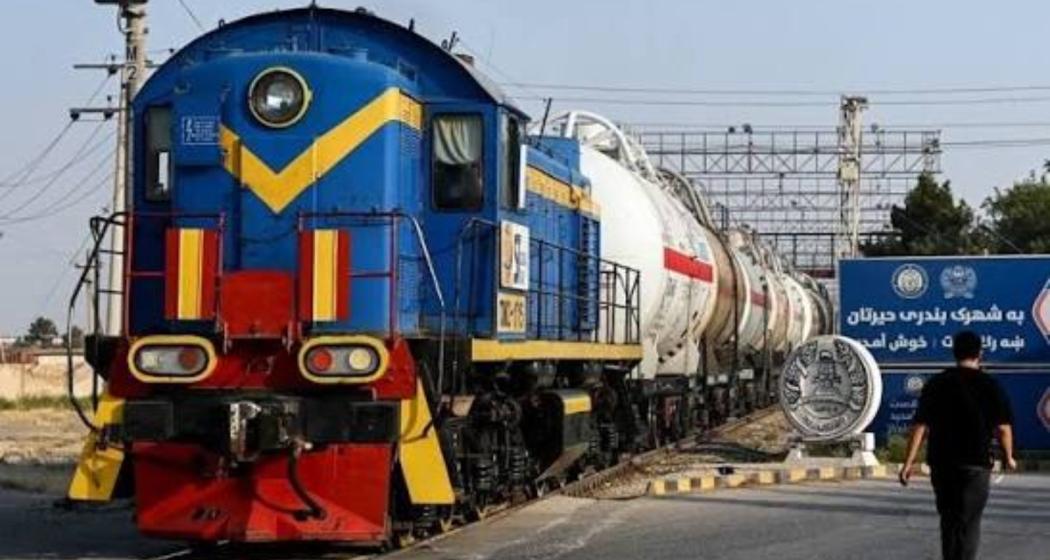
Russia is exploring the possibility of developing a direct railway link to the Indian Ocean to create alternative trade routes and reduce dependence on vulnerable maritime chokepoints, Russian Deputy Prime Minister Marat Khusnullin has said.
In an interview with Russian news agency TASS, Khusnullin said the feasibility of a rail connection to the Indian Ocean should be examined amid risks associated with the Bosphorus and Strait of Hormuz.
He said potential routes could pass through Turkmenistan, Iran, Afghanistan and Pakistan, with any corridor providing connectivity to India considered viable.
“A rail link to the Indian Ocean should also be explored,” Khusnullin was quoted as saying by TASS, adding that alternative routes could help address risks linked to the Bosphorus and Strait of Hormuz.
If realised, the proposed network could create a new overland freight corridor connecting Russia with India, potentially offering an alternative to maritime routes for trade between the two countries.
Also read: CJP's paper leak protest resonated more than Congress': Tharoor
The proposal comes amid disruptions to shipping through the Strait of Hormuz following escalating hostilities involving the US, Israel and Iran. The strategic waterway is a major global energy route, carrying a significant share of international oil and liquefied natural gas shipments.
Russia’s proposal could also be viewed in the broader context of efforts to strengthen alternative trade corridors across Eurasia. A land-based route through Central and South Asia, however, would face significant geographical, infrastructure and geopolitical challenges, particularly given the proposed passage through Afghanistan and Pakistan.
Khusnullin also spoke about Russia’s domestic construction sector, saying the industry has the capacity to absorb an additional one trillion roubles in investment annually.
According to him, sustained financing over a five-year period could allow the sector to expand its capacity further.
“The construction industry is already capable of handling an additional one trillion rubles annually. However, if such a volume is secured for the next five years, it would be possible to expand capacity and build even more,” he said.
The railway proposal is currently at the stage of exploring feasibility and does not amount to a confirmed construction project. Its potential implementation would depend on agreements among the countries along the proposed route, as well as infrastructure and security considerations.

 Follow us