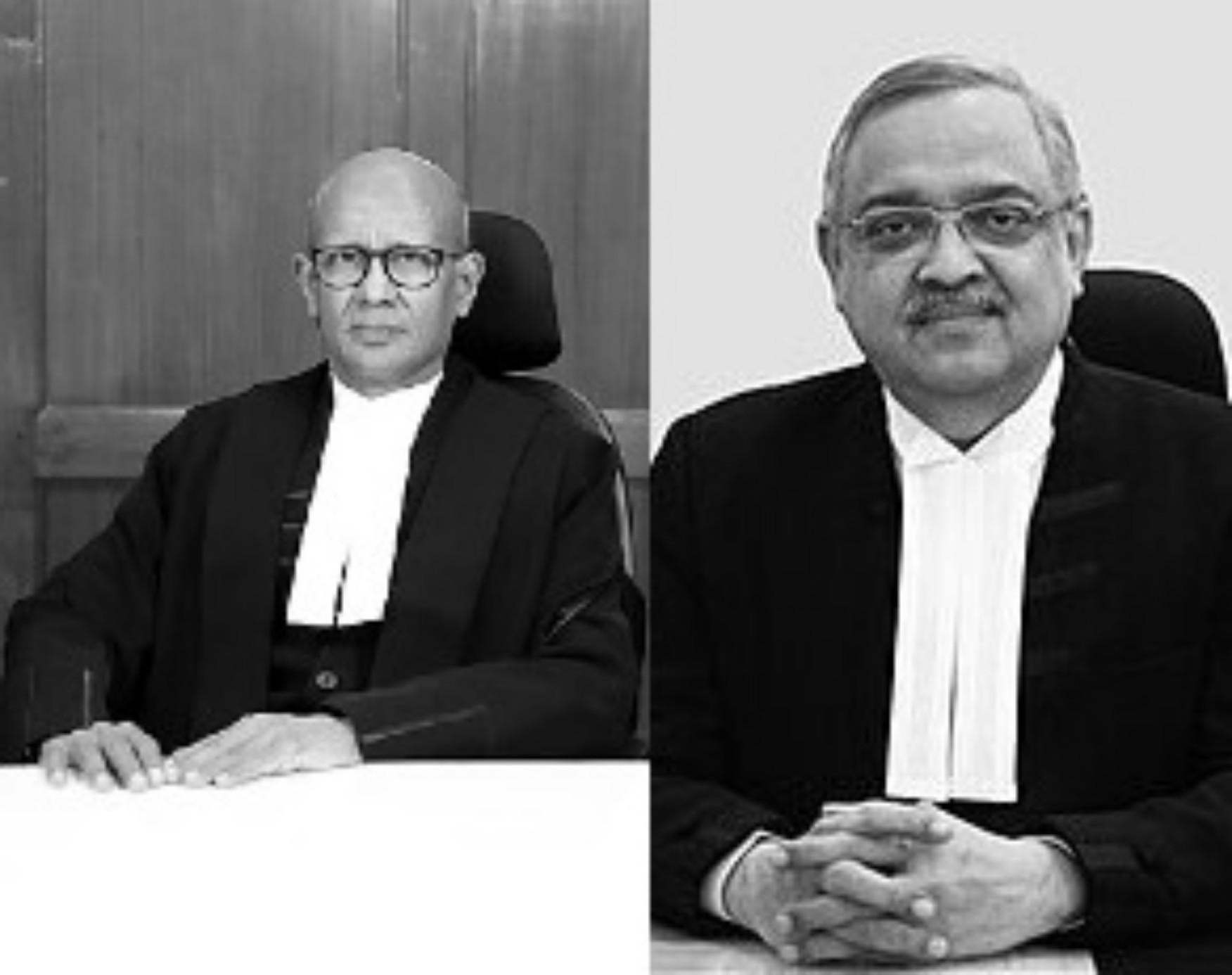
The Supreme Court recently cancelled the anticipatory bail granted to three Maharashtra railway policemen accused of extorting money from a train passenger after finding a gold bar in his baggage.
A Bench of Justices Sanjay Kumar and K Vinod Chandran said that citizens confronted by police excesses are often placed in a precarious position, where resisting or questioning uniformed officers may invite immediate retaliation. Ordinary people frequently have little choice but to submit to authority even when they believe it is being abused, it added.“When law enforcers turn extortionists, the citizen looks askance and is left in a dilemma. To confront, is to invite instant retaliation and the option is only to succumb meekly to the uniformed authority, even when there is patent abuse,” the Court noted.
When law enforcers turn extortionists, the citizen looks askance and is left in a dilemma... the option is only to succumb meekly to the uniformed authority, even when there is patent abuse…..The Court was hearing an appeal filed by the State of Maharashtra against a Bombay High Court order granting anticipatory bail to three railway police personnel accused of extorting money from a passenger after finding a 14-gram gold bar and cash in his baggage at Mumbai railway station.
The allegations relate to an incident in August 2025 when the complainant, who was travelling with his minor daughter on the Hapa Duronto Express, was stopped by members of a railway police anti-sabotage unit during a baggage check.According to the prosecution, the passenger, his daughter and his brother-in-law were taken to a room where they were intimidated and forced to part with money in exchange for avoiding further action.
After a complaint was filed, the policemen approached the Sessions Court seeking anticipatory bail.The Sessions Court rejected their plea. However, the Bombay High Court granted them protection, relying in part on CCTV footage from the railway station, which, according to the High Court, did not indicate any visible distress on the part of the complainant or his companions.
This decision was appealed before the Supreme Court. Before the top court, the State argued that the High Court had failed to appreciate the seriousness of the allegations against police personnel accused of abusing their official position and had drawn incorrect conclusions from the CCTV footage.The State further contended that while the footage from the railway station did not show any visible signs of distress on the part of the complainant, he, his minor daughter and a relative were thereafter taken to a room where no CCTV cameras were installed.
It also pointed to departmental proceedings by which all three officers had subsequently been dismissed from service.The Supreme Court found merit in these submissions. After viewing the CCTV footage, the Bench said it was surprised by the High Court’s conclusion that there were no signs of distress visible on the complainant and his companions.The Bench also expressed concern over the conduct of the officers towards the complainant’s minor daughter. The top court proceeded to set aside the High Court order and cancelled the protection granted to the three policemen.

 Follow us