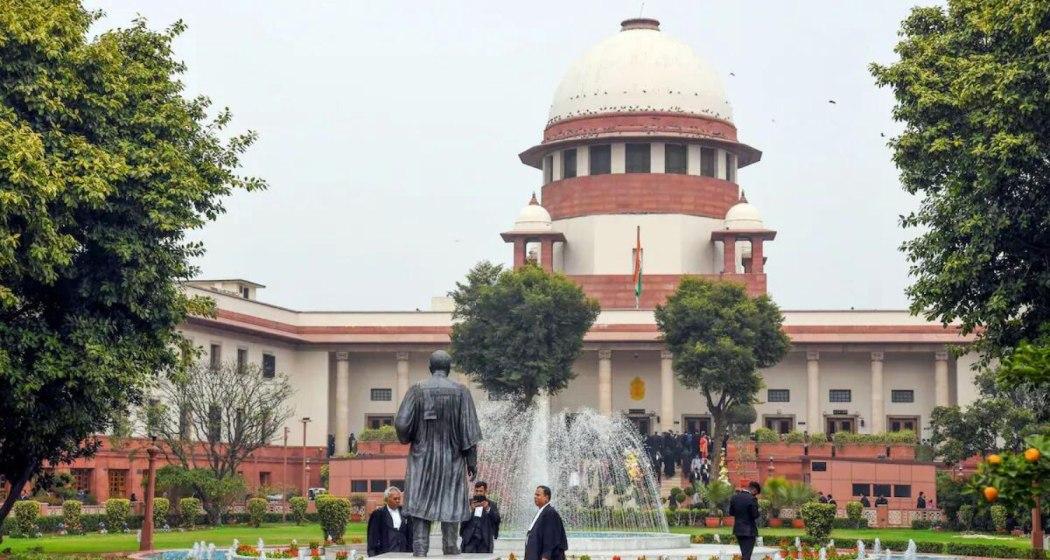
The Supreme Court of India has criticised states for announcing “irresponsible” freebies ahead of elections, warning that such schemes strain public finances and create regulatory arbitrariness.
The bench, comprising Chief Justice of India Surya Kant, Justice Joymalya Bagchi, and Justice Vipul Pancholi, was hearing a writ petition filed by Tamil Nadu Power Distribution Company Ltd challenging Rule 23 of the Electricity Amendment Rules, 2024. It specifically questioned the sudden announcement of a free electricity scheme in Tamil Nadu, which left power distribution companies (DISCOMs) scrambling to adjust tariffs and budgets.
Observing that many states operate under revenue deficits, the court said last-minute welfare schemes could hamper economic development. “If governments continue to provide free money, electricity, and other amenities, who will ultimately bear the cost?” CJI Surya Kant asked, emphasising that the burden ultimately falls on taxpayers.
The court highlighted that subsidies announced without prior fiscal planning disrupt regulatory processes. Bodies such as the Appellate Tribunal for Electricity and DISCOMs rely on predictable policies to maintain financial stability and accurately price electricity. Sudden freebies, the court said, create arbitrariness and undermine planning.
Also read: Pre-marital intimacy requires caution: SC
While acknowledging the welfare state’s duty to support the vulnerable, the bench cautioned against indiscriminate schemes. “We want to ask why schemes are being announced just before elections. States are running at a loss, yet they are giving them away for free. This must be reconsidered,” CJI Surya Kant said. The court stressed that benefits should be targeted to those in genuine need rather than distributed universally for political appeal.
Addressing senior advocate Gopal Subramanium, representing the state, the CJI asked whether absorbing the full cost of such subsidies served the public interest. He noted the broader trend of pre-poll freebies across India, urging political parties, policymakers, and sociologists to reconsider the approach.
The Supreme Court’s observations underscore the need for fiscal prudence, careful planning, and transparent targeting in welfare programmes, warning that unchecked largesse can burden taxpayers and hinder long-term economic growth.

 Follow us