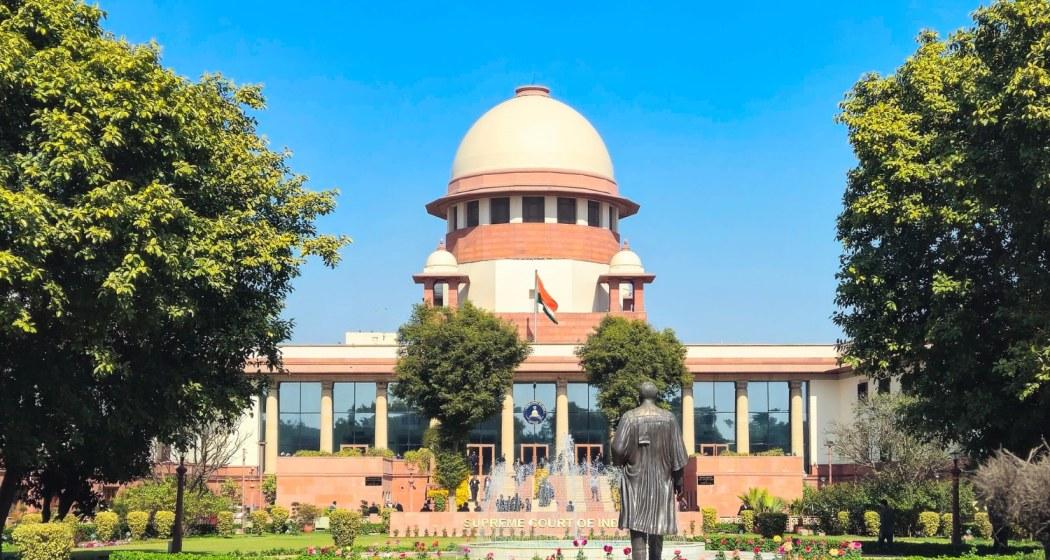
The Supreme Court on Thursday reserved its order on a plea by Congress leader Pawan Khera seeking anticipatory bail in a case lodged in Assam over his allegations that Chief Minister Himanta Biswa Sarma’s wife held multiple passports and undisclosed foreign assets, with both sides sharply contesting the need for his arrest.
A Bench of Justices J.K. Maheshwari and A.S. Chandurkar concluded hearings and said it would deliver its decision after considering submissions from Khera’s counsel and the Assam government.
Appearing for Khera, senior advocate Abhishek Singhvi argued that denial of pre-arrest bail would defeat its very purpose. “If he doesn't get anticipatory bail in a registered case against him, then the very purpose of pre-arrest bail is gone,” Singhvi submitted.
He contended that the allegations levelled against Khera were matters to be tested during trial and did not warrant custodial interrogation. Singhvi further argued that several of the offences invoked were bailable, while others did not justify arrest, adding that detention would amount to unnecessary humiliation.
Opposing the plea, Solicitor General Tushar Mehta, representing the Assam government, alleged that Khera had relied on “fake and doctored copies” of passports belonging to the Chief Minister’s wife. He also told the court that Khera had been evading the process of law while continuing to circulate videos containing the allegations.
Also read: Pawan Khera approaches SC after HC denies anticipatory bail
Mehta maintained that the claims regarding multiple citizenships were entirely false and that the investigation required the petitioner’s custodial interrogation.
Khera has challenged an April 24 order of the Gauhati High Court which denied him anticipatory bail. The case stems from complaints filed by Riniki Bhuyan Sharma, the Chief Minister’s wife, at the Guwahati Crime Branch police station under various provisions of the Bharatiya Nyaya Sanhita.
Earlier, the Telangana High Court had granted Khera a seven-day transit anticipatory bail, offering temporary protection from arrest. However, the Assam Police moved the Supreme Court against this relief.
The apex court subsequently stayed the operation of the transit bail order and directed Khera to approach the Gauhati High Court for regular anticipatory bail, leading to the present proceedings.
The matter has drawn political attention, with the petitioner asserting that the case is motivated, while the state insists it concerns the circulation of fabricated documents and misleading claims.
With the verdict now reserved, the court’s decision is expected to determine whether Khera will receive protection from arrest as the investigation proceeds or face potential custodial action in the case.

 Follow us