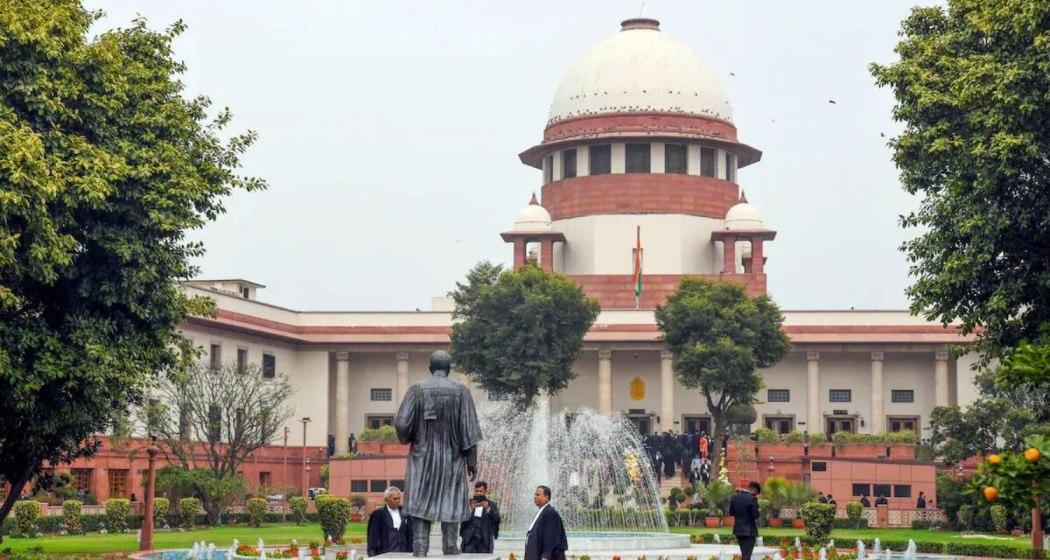
The Supreme Court is scheduled to hear on February 16 a batch of petitions seeking action against Assam Chief Minister Himanta Biswa Sarma over a video allegedly showing him making remarks about firing at members of a particular community during an election rally.
According to court sources, a Bench comprising Chief Justice Sanjiv Khanna and Justice Joymalya Bagchi is likely to take up the matter. Among the pleas listed is a petition filed by CPI(M) leader Nizam Pasha seeking registration of an FIR against the Chief Minister over the alleged remarks.
The controversy centres on a video purportedly recorded at a recent election rally in Assam. In the clip, Sarma is allegedly heard making comments about firing at two individuals. The video was shared on the Assam BJP’s official social media handle on February 7, sparking sharp political reactions and allegations of hate speech. Although the post was later deleted, the clip was reportedly downloaded and circulated widely by several users.
Separate petitions have also been moved by the Communist Party of India (Marxist) and CPI leader Annie Raja, seeking directions for the registration of FIRs.
Also read: Assam BJP removes social media co-convenor after AI clip row
The petitioners have raised concerns over alleged communal polarisation and have sought the constitution of a Special Investigation Team (SIT), contending that a fair and independent probe may not be possible through state or central agencies.
Earlier, the apex court had indicated that it would consider listing the plea. While doing so, the Bench noted that part of the electoral process is often contested before the court, particularly in the run-up to Assembly elections.
In addition, a separate petition has been filed by 12 individuals seeking directions to restrain persons holding constitutional office from making divisive or inflammatory statements during election campaigns.
The case is expected to draw considerable legal and political attention, particularly with Assembly elections in Assam approaching, as the court examines the scope of accountability and the legal remedies sought by the petitioners.

 Follow us