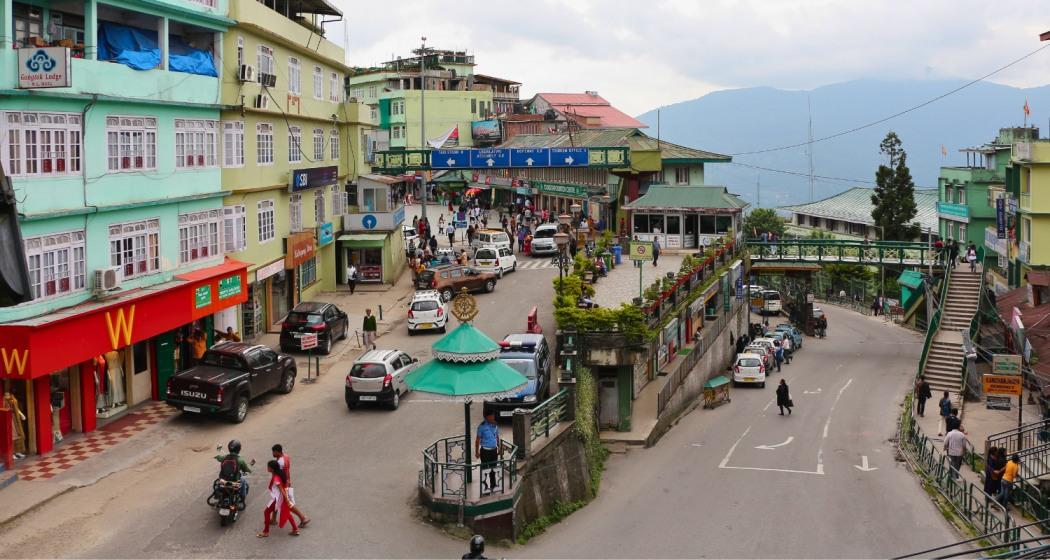
Sikkim has started enforcing an odd-even vehicle restriction system across the state from Monday to promote fuel conservation and regulate road traffic, following Prime Minister Narendra Modi’s appeal to reduce fuel consumption amid the ongoing crisis in West Asia. The measure came into effect on May 18 and applies statewide, including the capital Gangtok.
The state transport department has issued a notification outlining the framework of the scheme, which aims to strike a balance between fuel efficiency and commuter convenience. Under the arrangement, vehicles are being regulated on an odd-even registration number basis, while efforts have been made to strengthen public transport systems to reduce inconvenience to passengers.
To support daily commuters, City Runner buses in Gangtok will operate at 30-minute intervals between 7 am and 8 pm on the Ranipool–Secretariat–Ranipool route. Authorities have said the service is intended to offset pressure created by reduced private vehicle movement under the restriction.
Also read: Sikkim marks 51st Statehood Day
All public transport services, including Sikkim Nationalised Transport (SNT) buses, will continue to operate across the state’s six districts without disruption.
Weekend services have also been kept running to ensure consistent connectivity for passengers.
Taxis, including both local and inter-district services, will operate as per approved routes. The state currently has 15,548 registered taxis and 6,474 maxi cabs, forming a significant part of its transport network.
The government has positioned the initiative as a dual strategy, conserving fuel while maintaining mobility, particularly in a state where road transport is a primary mode of connectivity across difficult terrain.
Authorities have also emphasised that the enhanced public transport frequency is intended to ensure that commuters are not disproportionately affected by the restrictions, even as private vehicle usage is temporarily curtailed under the odd-even system.
The move follows broader calls for energy conservation as geopolitical tensions in West Asia continue to affect global fuel supplies and prices, prompting several administrative measures across regions to manage consumption.

 Follow us