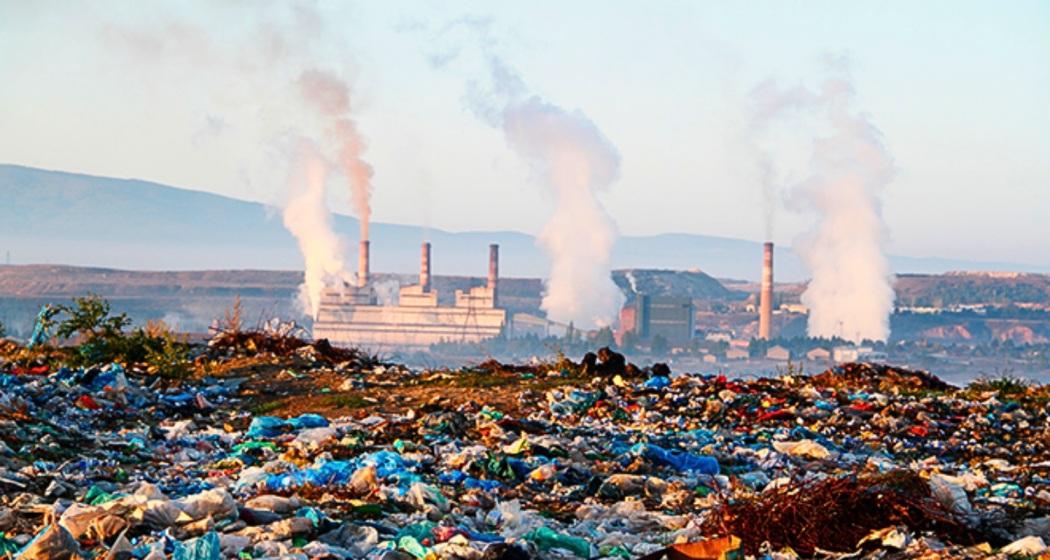
India’s waste sector has emerged as one of the country’s fastest-growing sources of emissions, with greenhouse gas emissions from waste projected to rise sharply by 2047 if untreated garbage continues to be dumped in landfills, according to a report released on Friday.
The analysis, titled Organic Waste Circular Economy for Viksit Bharat, was published by the Council on Energy, Environment and Water, a Delhi-based think tank.
The report said emissions from India’s waste sector increased by 226 per cent between 1994 and 2020, making it among the country’s fastest-growing emission sources.
It warned that waste sector emissions could reach 119.5 metric tonnes of carbon dioxide equivalent by 2047, largely because nearly half of the country’s municipal solid waste continues to remain untreated and ends up at dumpsites.
The study highlighted urban organic municipal waste as a key area requiring urgent intervention.
According to the report, Indian cities currently generate around 171,000 tonnes of municipal solid waste every day, nearly half of which is organic in nature.
At present, only around 61 per cent of total municipal solid waste is treated. By 2047, annual urban organic municipal waste generation alone could rise to nearly 208 million tonnes, the report said.
Also read: PM urges citizens to take precautions amid heatwave,show empathy
Researchers noted that effective processing of organic waste into compost, biogas and biomethane could help recover nutrients, reduce methane emissions, replace chemical fertilisers and support India’s clean energy transition.
Currently, composting and biomethanation remain the two most widely used waste-processing methods in India. Composting accounts for nearly 96 per cent of treatment capacity, while biomethanation contributes around 4 per cent.
Biomethanation is a biological process in which microorganisms break down organic matter in the absence of oxygen to generate energy-rich gases.
The report said India could unlock an estimated USD 62 billion market opportunity and achieve emissions reduction potential of around 101 metric tonnes of carbon dioxide equivalent if it achieved 100 per cent collection and processing of urban organic waste by 2047, alongside expanded biomethanation capacity.
However, the report stressed that achieving the target would require a shift towards more mechanised and capital-intensive waste-processing systems.
It said technology selection, quality of waste feedstock, technical expertise and reliable end-product markets would be critical for the long-term success of India’s waste management transition.

 Follow us