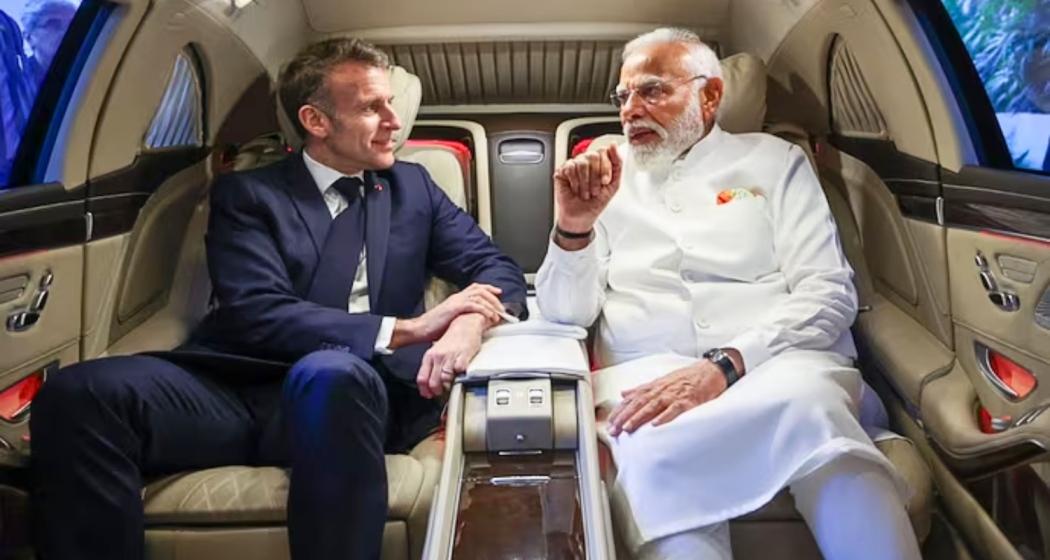
Prime Minister Narendra Modi on Thursday held separate telephonic conversations with French President Emmanuel Macron, Sultan Haitham bin Tariq of Oman and his Malaysian counterpart Anwar Ibrahim, to discuss the escalating situation in West Asia, stressing the need for de-escalation and an early return to peace and stability.
During the discussions, PM Modi also underlined the importance of ensuring safe and uninterrupted navigation through the Strait of Hormuz. In a post on X, PM Modi said he spoke with Macron about the worsening situation in the region and emphasised the urgent need to reduce tensions and resume dialogue. He added that both sides look forward to continuing close coordination to promote peace and stability, not only in West Asia but beyond.
Also read: Rajnath Singh stresses need for robust domestic drone industry
The Prime Minister described his conversation with the Sultan of Oman as ‘productive’ and said he conveyed advance Eid greetings to the people of Oman. He noted that both leaders agreed on prioritising diplomacy and dialogue to de-escalate the conflict and restore stability.
Modi also reiterated India’s condemnation of any violation of Oman’s sovereignty and territorial integrity, while appreciating Muscat’s efforts in facilitating the safe return of thousands of people, including Indian nationals. “India and Oman stand for safe and free navigation through the Strait of Hormuz,” he said.
In his interaction with Ibrahim, PM Modi extended warm greetings to the Malaysian leader and the people of the country ahead of the festival of Hari Raya Aidilfitri. He said both leaders discussed the ‘deeply concerning’ developments in West Asia and reaffirmed their shared commitment to resolving the crisis through diplomatic means.
This marks PM Modi’s second conversation with the Sultan of Oman since the conflict escalated following the February 28 strikes by the United States and Israel on Iran, and Tehran’s retaliatory attacks on several Gulf nations.
Since the crisis began, PM Modi has also engaged with several other global leaders, including those from Saudi Arabia, Bahrain, United Arab Emirates, Jordan, Israel and Iran, as part of India’s diplomatic outreach to address the crisis.

 Follow us