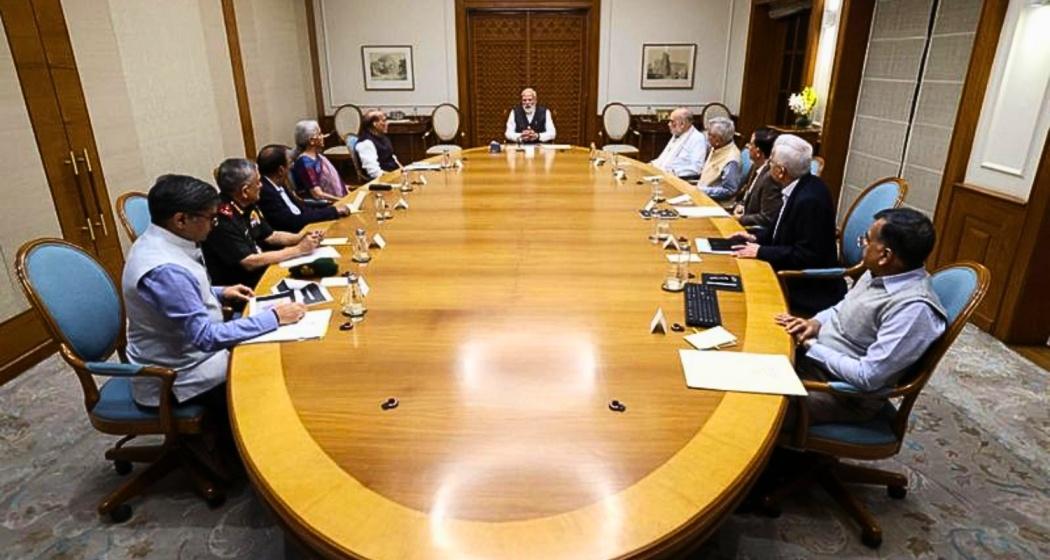
Prime Minister Narendra Modi on Sunday chaired a high-level meeting to assess India’s energy security and ensure uninterrupted supply of petroleum products, gas and fertilisers amid the escalating conflict in West Asia.
The meeting, attended by senior ministers including Rajnath Singh and Hardeep Singh Puri, reviewed the availability of crude oil, refining capacity, logistics and distribution networks, with a focus on maintaining stability despite global disruptions.
A key concern discussed was the situation around the Strait of Hormuz, a critical maritime route through which a significant share of the world’s energy supplies transit. Ongoing tensions in the region have led to restrictions on shipping, raising concerns over supply bottlenecks and price volatility.
The government emphasised that it is maintaining continuous monitoring of global developments to safeguard consumer and industry interests. Officials stressed the need for efficient logistics, adequate inventories and coordinated responses to prevent any domestic shortages.
Modi had earlier described the crisis as a “critical test of national character”, highlighting the importance of preparedness and resilience in dealing with disruptions in international supply chains.
The conflict, now in its fourth week, has intensified following exchanges between Iran, the United States and Israel, with energy infrastructure and shipping routes emerging as key flashpoints. The situation has triggered volatility in global oil markets and heightened concerns over a prolonged supply shock.
In recent diplomatic outreach, Modi spoke with Iranian President Masoud Pezeshkian, urging the need to ensure “freedom of navigation” in key shipping lanes. Separately, External Affairs Minister S. Jaishankar held talks with his Iranian counterpart Abbas Araghchi on the broader regional implications.
The government signalled that it remains prepared to take necessary measures to mitigate risks arising from the evolving situation while ensuring stable energy supplies across the country.
Also read: Rahul warns of inflation, blames govt over rupee fall

 Follow us