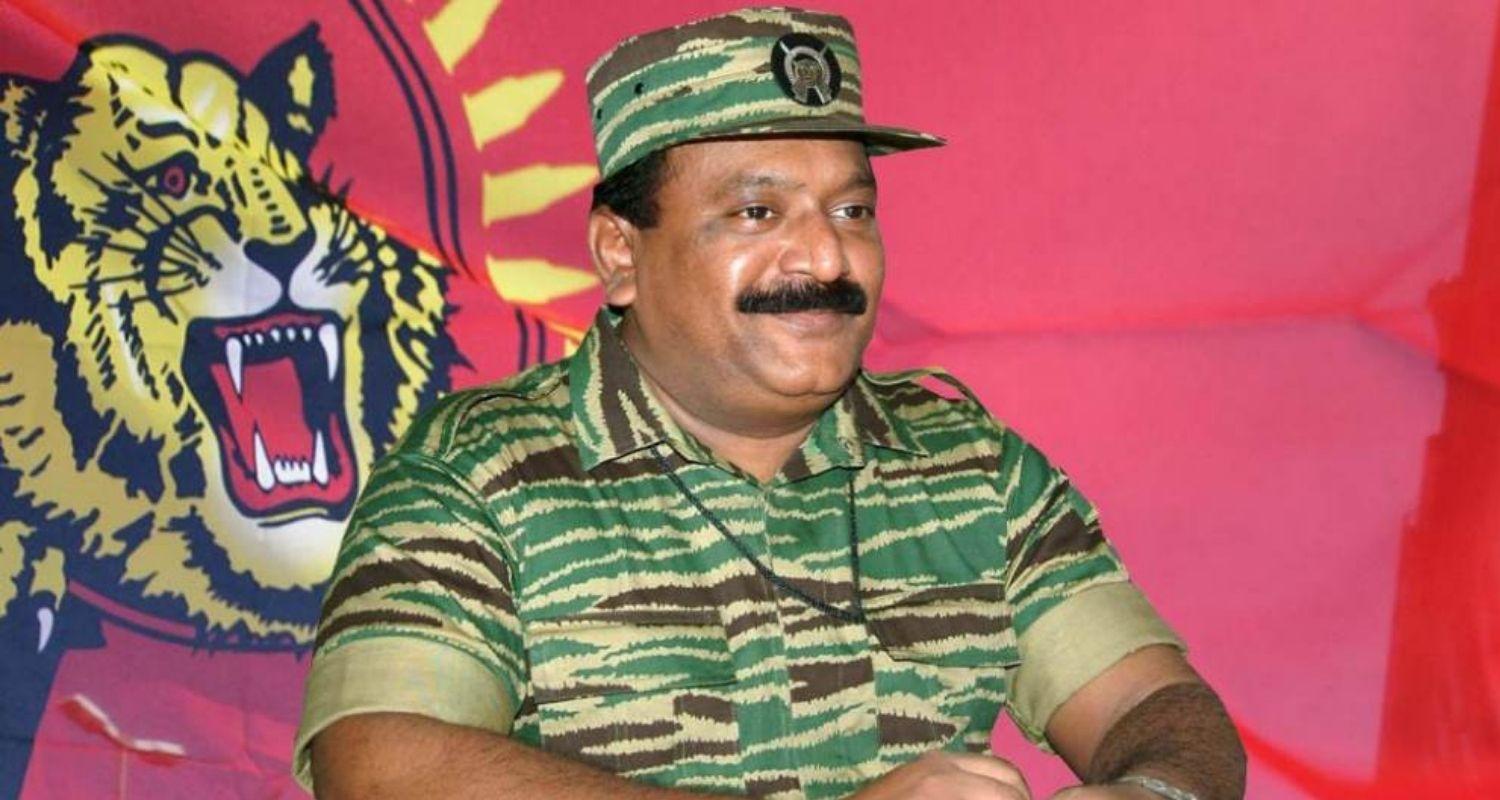
It was 35 years ago that the Liberation Tigers of Tamil Ealam (LTTE) assassinated Rajiv Gandhi in a suicide bomb attack at Sriperumbadur in Tamil Nadu on May 21, 1991. A woman suicide bomber, later identified as Dhanu killed Gandhi. He was only 46 years old at that time and was likely to become the Prime Minister once again. The assassination was masterminded by then LTTE chief Prabhakaran.
On May 18 this year, the newly appointed Chief Minister of Tamil Nadu C Joseph Vijay, while recalling the Mullivaikkal Massacre, also paid tributes to Prabhakaran, who was killed in the brutal action by the Sri Lankan armed forces that left thousands of civilian Tamils and the LTTE cadres dead. The Mullivaikkal Massacre marked the end of the Sri Lankan civil war.
It was on May 18, 2009 that the Sri Lankan armed forces launched a final and decisive attack on the Mullivaikkal area in the north-eastern part of the country and cornered the LTTE cadres. They reportedly tried to hold the civilian Tamils hostage and used them as human shields. But that did not prevent the Sri Lankan army from using all sorts of ammunition and killing an estimated 30,000 to 40,000 Tamils, both civilians and the LTTE military cadres. Tamils across the globe observe May 18 as the Mullivaikkal Massacre day. Vijay paid tributes to those killed, including Prabhakaran, to mark the massacre day.
Most of the Tamil political parties, particularly the Dravida Munktra Kazgham have unapologetically expressed solidarity with the Tamils and the LTTE. There is a thin line dividing the Sri Lankan Tamilian cause from the LTTE, since the latter had become the predominant and almost the only representative voice of the Sri Lankan Tamils.
Most Tamils obviously do not support the LTTE, but most of them have sympathy for the Sri Lankan Tamils. No political party in Tamil Nadu can afford to ignore their plight. Although the Tamil insurgency in Sri Lanka is now a thing of the past and is long dead, the huge Sri Lankan Tamil diaspora spread across the globe, including India, have not forgotten what happened during the Sri Lankan civil war.
The LTTE lost all sympathy from the Indians after the brutal assassination of Rajiv Gandhi.
The Government of India set up a commission headed by Justice Milap Chand Jain. The Jain Commission came out with sensational revelations that the DMK of Tamil Nadu had close ties with the LTTE.
When the Jain Commission findings came out, it was the United Front government headed by IK Gujaral in power at the Centre. The Congress was supporting the government from outside. The DMK was part of the government. The DMK was in power in Tamil Nadu also.
Also read: Should Chief Ministers be elected directly?
After the Jain Commission revelations, the Congress at that time headed by Sita Ram Kesari demanded the sacking of DMK ministers from the union government and the dismissal of the DMK government in Tamil Nadu headed by Karunanidhi.
Gujral rejected the Congress demand and the party withdrew support. The government fell and there were fresh elections leading to the formation of the first lasting BJP-led National Democratic Alliance government with Atal Bihari Vajpayee as the Prime Minister. Otherwise the BJP formed the government in 1996 which lasted for 13 days only as it could not get the support to win the vote of confidence in the Parliament.
As TN CM Vijay paid tributes to Prabhakaran, the mastermind of Rajiv Gandhi’s assassination, the Bharatiya Janata Party asked the Congress to clarify its stand. Congress was the first party after 2026 assembly elections to announce unconditional support to Vijay, who at that time needed it the most as he was desperately trying to cobble together a simple majority. Now he enjoys enough support much more than the 118 figure.
Both Vijay and the Congress have their respective compulsions. Vijay now projects himself as the champion of the Dravidian identity and cause. He obviously cannot overlook the Tamil sentiments most of which are soft towards the LTTE and its slain leader Prabhakaran.
The Congress understands his position and compulsion. The party also sees a future and long-term ally in Vijay. He is the rising sun of Tamil and Dravidian politics. The party can ignore and overlook his little transgressions like paying tribute to LTTE and its slain chief.
After all, the same Congress, which in 1998 demanded the dismissal of the DMK ministers from the union cabinet and dismissal of the DMK government in Tamil Nadu, aligned with the same party in 2004 to form the UPA government. All the Congress leaders, including Sonia Gandhi and Rahul Gandhi, have paid glowing tributes to Karunanidhi from time to time. This was despite his known association with and support for the LTTE.
Compared to that Vijay has only expressed solidarity with the Sri Lankan Tamils and “only paid homage” to Prabhakaran. That is certainly far less a sin than having actually supported him. The Congress has no problem with any of the two. If it can ‘sup’ with the DMK, it can always ‘sup’ with the VCK. It is not said without any reason that ‘politics makes strange bedfellows’, more so political opportunism.

 Follow us