The Akalis did it twice. The Congress did it once. The Aam Aadmi Party has done it twice. All of them made or amended the law(s) on sacrilege to make it more stringent in an attempt to be seen as stricter than their predecessor and to address the public sentiment across the state. But, Punjabis in general and the Sikhs in particular are not impressed. Rather they don’t even seem interested with token and periodical practice by successive governments to play to the gallery.
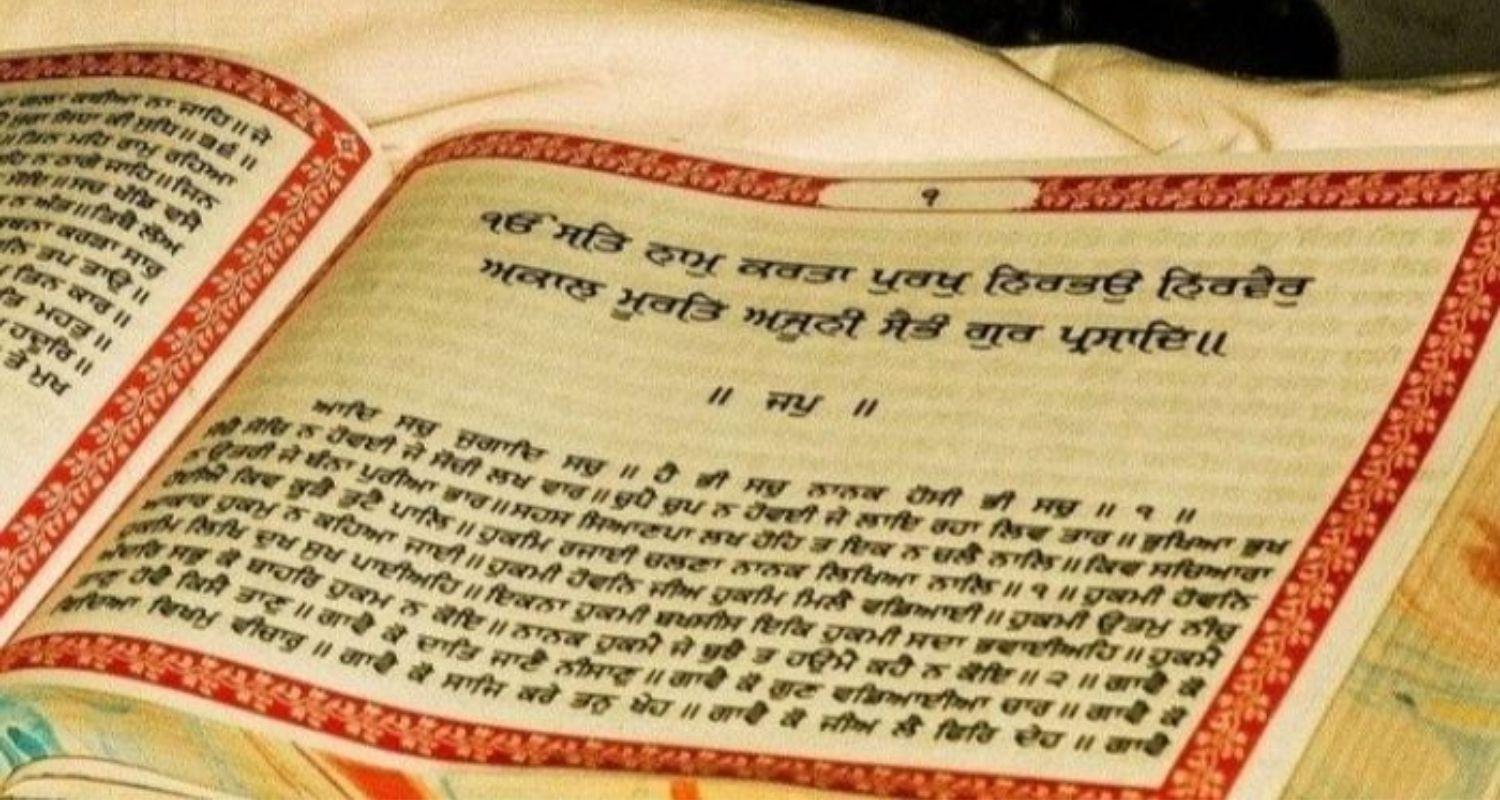
The latest amendment was brought by the AAP government in Punjab on April 13, the Jagat Jot Sri Guru Granth Sahib Satkar (Amendment) Bill, 2026. The bill amended the original 2008 Act to incorporate life imprisonment, heavy fines, up to Rs 25 lakh and property‑confiscation‑type deterrents for sacrilege of the Guru Granth Sahib and related offences.
The stringent amendment has received lukewarm response from the common Punjabis, including the Sikhs, who have genuinely been feeling hurt over the sacrilegious incidents, which took place in 2015.
The amendment has also drawn criticism from certain quarters suggesting that it is a draconian and regressive law which can be misused like the infamous “blasphemy laws” in Pakistan.
It will be completely unfair to draw any such parallels. Punjabi society, the Sikhs in particular, is a very tolerant and forgiving community. It is unimaginable that such law will be misused maliciously by anyone, the way the blasphemy laws are used by common people in Pakistan against the members of other communities.
The 2015 sacrilege and its fallout had particular reasons. While it is absolutely unfair to blame the then Shiromani Akali Dal leadership for it, but yes its government failed in taking the curative steps like punishing the guilty. The excessive use of force against the protesters who were protesting against the sacrilege also added to the anger of the masses.
The anger over sacrilege was not an isolated incident. There was a background to it. Dera Sacha Sauda sect head Gurmeet Ram Rahim Singh was trying to assert his influence among a section of the Sikhs. He even had the audacity to dress up like Guru Gobind Singh and administer “amrit” (nectar) to his followers, the same way the Guru. This was something unacceptable. The Sikh community genuinely felt angry and outraged.
While the Akal Takht had excommunicated him, he was granted pardon without appearing personally in front of the Takht. The pardon was granted reportedly at the behest of then deputy chief minister Sukhbir Singh Badal. This was again unprecedented that an accused person was granted pardon by the Akal Takht, without his even asking for it and without tendering an apology or presenting himself before the Takht. While this was an act of apparent defiance on the part of Dera head, Sukhbir, with any eye on the votes of his followers, facilitated his pardon. That was his and his party’s undoing.
Also read: Punjab govt passes anti-sacrilege Bill
While it is yet to be conclusively established as to who was the real culprit of the 2015 sacrilege, majority of the Sikhs blame the Dera followers, suggesting that it was yet another act of their wilful defiance against the Sikh religion.
The Akalis paid a heavy price for the sacrilege incidents and their fallout during their regime. They were voted out of power in 2017 and completely routed in 2022, with the party veteran and five-time chief minister Parkash Singh Badal and his son Sukhbir Singh Badal even losing from their own assembly segments. That way, the people of Punjab, rightly or wrongly, have already punished the Akalis over sacrilege.
Now the AAP has again touched a raw nerve of the Punjabis, which can have consequences. AAP supremo Arvind Kejriwal is on record having said it before 2022 assembly elections that once the AAP forms government in Punjab, those guilty of sacrilege would be punished within 24 hours. What people expected was punishment to the guilty, not another law. Nobody was punished even after over four years of the AAP regime have passed.
When the AAP government amended the sacrilege law on Monday, it was for the fifth time that the law was made or amended. First it was the Akali Dal-BJP government, which enacted the original law in 2008, the Jagat Jot Sri Guru Granth Sahib Satkar Act, 2008. It was primarily enacted to regulate printing, maintenance, and respectful handling of the Guru Granth Sahib, but it did not originally contain specific penal provisions for sacrilege. Until 2015, the 2008 law mainly dealt with technical and administrative standards, with a maximum penalty of two years’ jail and Rs 50,000 fine for violations of printing/ maintenance rules.
After the 2015 sacrilege incidents and the widespread public anger, the Akali-BJP government passed a law in March 2016 to amend the Indian Penal Code for the state and introduced an additional section, 295A-A with a punishment up to life imprisonment for sacrilege of Guru Granth Sahib. Since it was specific to one religion, the bill was returned by the Centre to the state.
The SAD-BJP lost in 2017, primarily because of sacrilege. The Congress government, which succeeded the Akali-BJP alliance, then introduced two amendments in 2018 broadening the scope of the law by including other holy religious texts, besides the Guru Granth Sahib, including the Bhagavad Gita, the Holy Quran and the Holy Bible. The bill never received the Governor’s approval and remained pending.
The AAP government, in later part of the 2025 brought a new law Prevention of Offences Against Holy Scripture(s) Bill 2025, which also proposed life imprisonment for sacrilege of any sacred religious scripture. But, now the AAP government abandoned the law and instead amended the original act of 2008, 2026 Jagat Jot Sri Guru Granth Sahib Satkar (Amendment) Bill, making it more stringent.
For the common Punjabis, framing or amending the sacrilege law has become a formality for the incumbent governments, while what they actually want is identifying and punishing the real culprits of 2015 sacrilege incidents. Those were not normal or routine incidents. Those were maliciously wishful aimed at deliberately hurting the Sikh sentiments. That is why there was and continues to be so much anger and outrage over these.

 Follow us