Just because the “South Indian” states controlled population, they should not be penalised in delimitation. Although this argument is flawed as no state is being penalised in the proposed delimitation process, can’t the same argument be used against caste-based reservation that just because someone was born in an “upper caste” should not be put at a disadvantage in comparison to someone born in a “lower caste” with lesser merit. Birth is just a matter of chance. Why hold it against the meritorious people if they happen to be born in an upper caste.
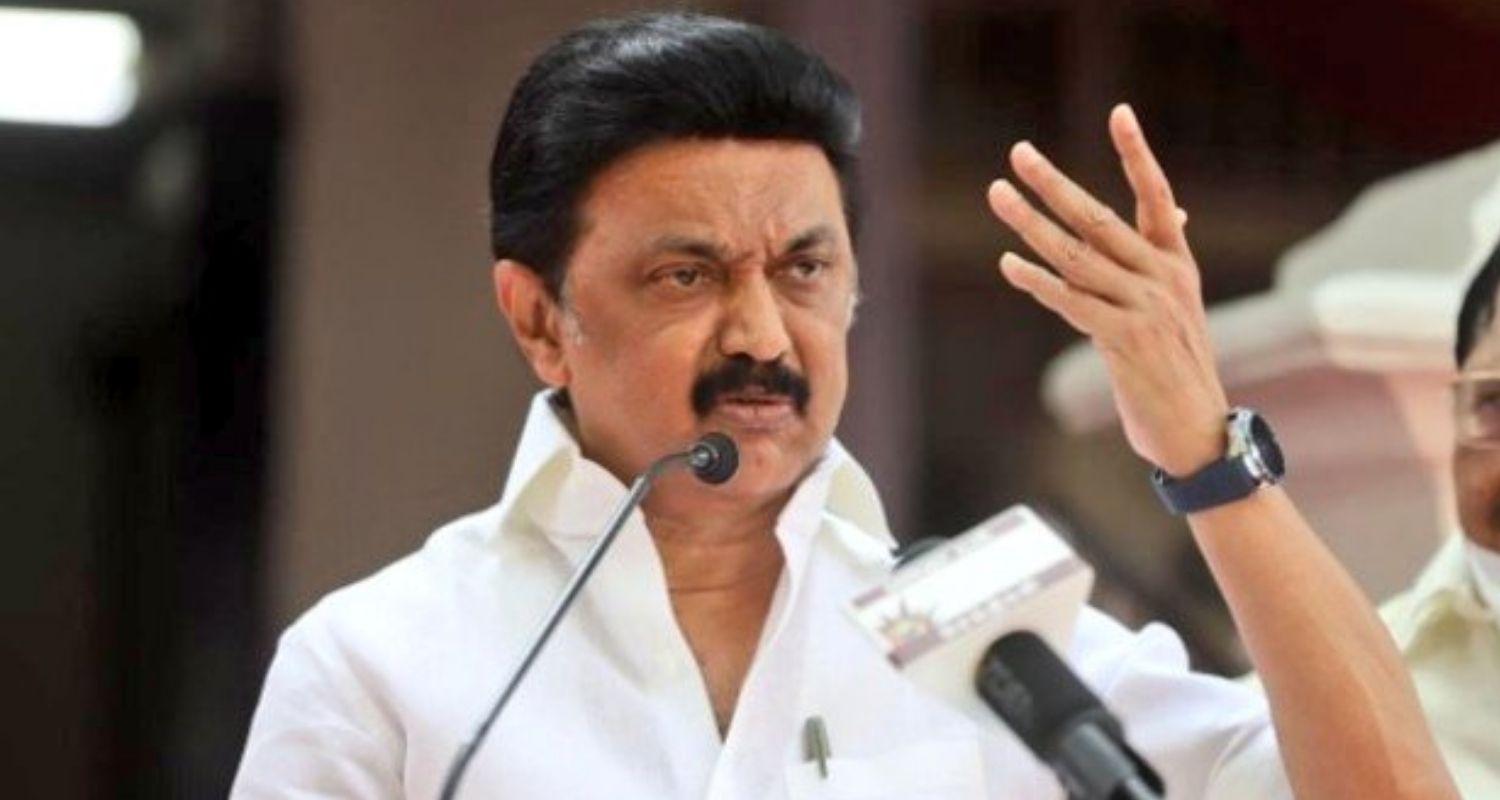
The issue of delimitation is not about the “North-South” divide as Tamil Nadu Chief Minister MK Stalin is trying to make it to be. Nor are any states being put to any disadvantage. According to initial reports, the number of seats is being increased proportionally over the existing numbers, both in the state assemblies as well as the parliament. Once the proportion remains the same it will not alter the existing balance of power.
The Government of India must allay all such fears, lest its political opponents capitalise on the confusion and create a “divisive narrative”. It is already heading towards that with the statements made by Tamil Nadu Chief Minister MK Stalin from the south and Shiromani Akali Dal president Sukhbir Singh Badal from the north in Punjab.
While right now, the debate has been carefully crafted around the “North-South” divide as it sounds “catchy”, it will gradually be interpreted in communal and sectarian colours as Sukhbir Badal suggested in his reaction. “Even more alarmingly, this delimitation exercise appears to be a conspiracy to hand over disproportionate control of India to just four Hindi heartland states — Uttar Pradesh, Madhya Pradesh, Bihar, and Rajasthan — by almost doubling their combined strength in the Lok Sabha and pushing it beyond 40% of the total seats”, he wrote on X.
The import of Badal’s message cannot be lost on anyone. The Hindi “heartland” is generally identified with the majority community in India.
On the other hand, Stalin warned, “you will witness a Tamil Nadu you have not seen before” even referring to the anti-Hindi agitation which led to riots in the 1960s, which was completely sectarian in nature.
Stalin has his own reasons to oppose the delimitation so aggressively while trying to appeal to “Tamilian” sentiments. He is pitched in a tough electoral battle with elections scheduled on April 29. The issue of delimitation has come as a godsend opportunity for him, to use it against the NDA, of which the BJP is a constituent party, although with very limited stakes.
The Government of India’s proposal to link the women’s reservation with delimitation sounds logical. In the existing parliament and also the state assemblies, once there will be 33 per cent seats reserved for women, the texture of legislatures, both the parliament and the assemblies will change drastically. Once the number of seats is increased, providing 33 per cent reservation to women will be more convenient. By proposing a 50 per cent increase in the number of seats, there will practically be no impact on the existing number of male legislators. It is like providing reservation over and above the existing strength.
Also read: Stalin calls for black flag protest against LS seats delimitation
Prime Minister Narendra Modi must have anticipated resistance to the idea from the opposition parties. Whatever the Prime Minister and his government do, the opposition has mandatorily been opposing it. The same is the case with delimitation. Moreover, delimitation is a more serious and a more sensitive issue, as it will have a direct impact on political power.
It is quite understandable that the states, which have done well on population control, should not be penalised by reducing their number of legislative seats as compared with those which have not done so well. This is a genuine and justified argument, as merit and other achievement must not be held against anyone as also in case of caste based reservations.
At the same time, population has to be the basis for any type of delimitation. There has to be some parity while demarcating the constituencies in terms of their demography. You cannot have one constituency with one lakh voters and the other constituency with 10 lakh voters, just because you want to keep the state with a large population at par with the one with lesser population.
And more population is not necessarily always a bane. For those claiming that states like Tamil Nadu have progressed well and are contributing a bigger amount of revenue as compared to the states like Uttar Pradesh and Bihar, take out the UP and Bihar workforce from Tamil Nadu or Karnataka and imagine the situation. The industry will collapse completely in the absence of labour. The southern states have indeed progressed well as compared to the northern states, but northern states have their own contribution towards nation building.
For any nation, all states cannot be the same in all aspects. This is a give and take. If you have become economically prosperous, many others have also contributed to that progress, even if it means consumption only. Tamil Nadu is producing so many automobiles and progressing because there is an abundant number of people in northern state like Uttar Pradesh who are buying those automobiles. If south is the production and progress hub, north is the consumption hub.
It will be better if people like Stalin and Chief Minister of Karnataka Siddaramaiah stop belittling the contribution of the north and claim special privilege just because their economy has done well, which obviously would not be possible without the support of the north.
It is time to call the bluff of people like Stalin.

 Follow us