
Trending:
GPS interference is reshaping global navigation
For most of human history, navigating these landscapes demanded expertise, careful observation and constant vigilance. The arrival of satellite navigation fundamentally changed that equation. Follow us
News Arena Network - Chandigarh - UPDATED: June 26, 2026, 03:14 PM - 2 min read
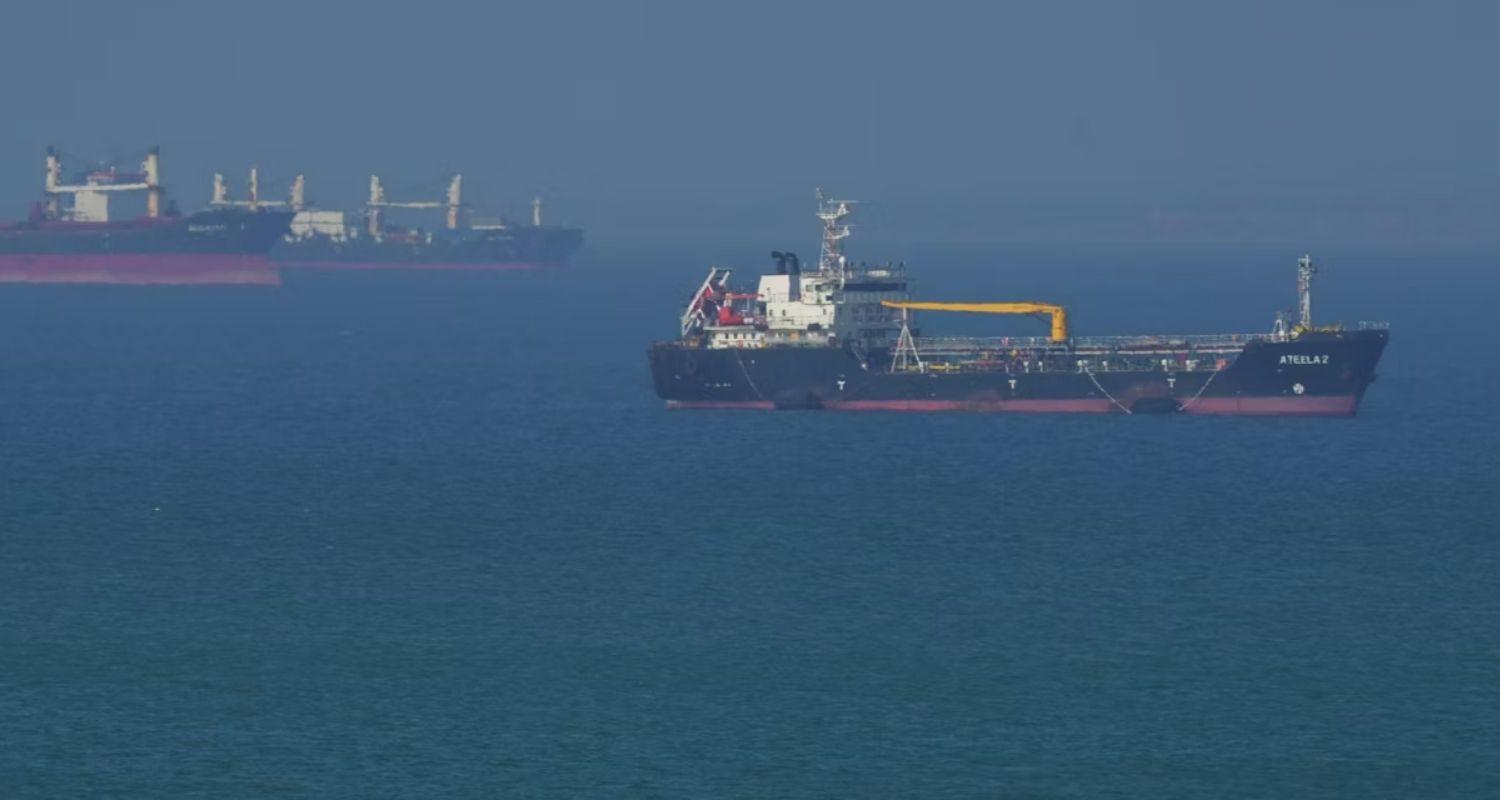
Representational image.
Few experiences are as disorienting as losing your way while traveling. Nowhere is that more unsettling than at sea, in the desert or in the sky—environments where visual landmarks are scarce and horizons offer little sense of direction. In such places, knowing your position depends largely on information that cannot be seen with the naked eye.
For most of human history, navigating these landscapes demanded expertise, careful observation and constant vigilance. The arrival of satellite navigation fundamentally changed that equation. GPS transformed navigation into something almost effortless, allowing users to determine their location and direction at the press of a button.
Its effectiveness is undeniable. Under normal conditions, civilian GPS systems routinely provide accuracy within a few meters, making them indispensable for aviation, shipping and countless everyday applications. Yet, beneath this reliability lies an increasingly serious vulnerability.
In recent years, deliberate interference with GPS signals has surged across the globe, disrupting both maritime and aviation operations on an unprecedented scale. Researchers and engineers are now racing to develop alternative navigation methods that can serve as reliable backups when GPS becomes unavailable or compromised.
GPS interference generally takes two forms: jamming and spoofing. Jamming overwhelms the weak signals transmitted by navigation satellites, effectively preventing receivers from determining their location or timing information. Spoofing is more deceptive. Instead of blocking signals, it replaces authentic GPS transmissions with counterfeit ones, causing receivers to calculate false positions while appearing to function normally.
Such interference stems from three primary sources: military operations, criminal activities and accidental misuse. In conflict zones, GPS disruption has become a standard element of electronic warfare, used to shield military assets, interfere with surveillance and counter unmanned systems. These tactics have been widely documented in Ukraine, the Black Sea region, the Baltic Sea, the eastern Mediterranean and the Persian Gulf.
The impact frequently extends beyond military targets. Civilian aircraft and ships operating in these regions often experience degraded navigation capabilities, creating risks for transportation networks and public safety.
Accidental interference can also have serious consequences. GPS jamming incidents have disrupted operations at major international airports by hindering the ability of pilots and air traffic controllers to track aircraft accurately. Criminals, meanwhile, have exploited spoofing technology for theft and smuggling operations, including a widely reported case involving the theft of approximately $1 million worth of tequila belonging to celebrity restaurateur Guy Fieri.
The dangers of GPS spoofing extend beyond individual vessels or aircraft. Modern ships rely on the Automatic Identification System (AIS), which broadcasts their position, speed, course and identity to nearby vessels and authorities. AIS plays a crucial role in preventing collisions and monitoring maritime traffic.
When GPS data is manipulated, AIS information becomes corrupted as well. Ships may appear in locations where they are not actually present, creating what experts call "ghost ships." These phantom vessels can mislead nearby mariners, coast guards, insurers and commercial tracking services.
Also read: US leading the new space race, but others close behind
Criminal organisations have increasingly used GPS and AIS manipulation to evade monitoring. Illegal fishing operations, sanctions evasion networks, oil smugglers and maritime sand traffickers have all been linked to disrupted or falsified navigation data.
Although concerns about GPS interference have existed for decades, the scale of the problem has accelerated dramatically in recent years. Reports indicate that GPS jamming and spoofing incidents affecting civil aviation increased by roughly 500 percent during the first eight months of 2024 alone.
Maritime authorities have also documented hundreds of affected vessels each day in some regions. Several collisions and groundings during 2024 and 2025 have been associated with interference affecting GPS and other satellite navigation systems, particularly in the Baltic Sea and the Strait of Hormuz.
The consequences have been deadly. In December 2024, Azerbaijan Airlines Flight 8243 was struck by a Russian air-defense system after GPS interference contributed to the flight's diversion, resulting in the deaths of 38 people. At sea, navigation disruptions in the Strait of Hormuz have been linked to collisions involving oil tankers.
GPS interference has also forced runway closures, emergency procedures and large-scale flight diversions at major airports, including Newark Liberty, Dallas-Fort Worth and Denver International Airport. Even senior political leaders have been affected. In 2025, an aircraft carrying European Commission President Ursula von der Leyen reportedly had to make an emergency landing because of GPS jamming.
Recent incidents in the Strait of Hormuz highlight how GPS interference is becoming a major geopolitical concern. The narrow waterway serves as one of the world's most important maritime chokepoints, carrying roughly one-fifth of global petroleum trade while accommodating dense commercial shipping traffic.
In such confined waters, even minor navigational errors can have significant consequences. During recent tensions involving the United States and Iran, vessels operating in the Persian Gulf reported receiving false position information that placed them on land or far from their actual locations.
The concern is not merely the occurrence of interference but its persistence. Reports suggest that jamming and spoofing activities have been conducted systematically over extended periods rather than as isolated responses to specific events. This trend indicates that GPS disruption is evolving into a routine component of modern electronic warfare.
As such practices become normalised in one of the world's busiest shipping corridors, confidence in the reliability of position, timing and identification systems begins to erode. The implications extend far beyond the Persian Gulf and raise broader questions about the future of global navigation.
