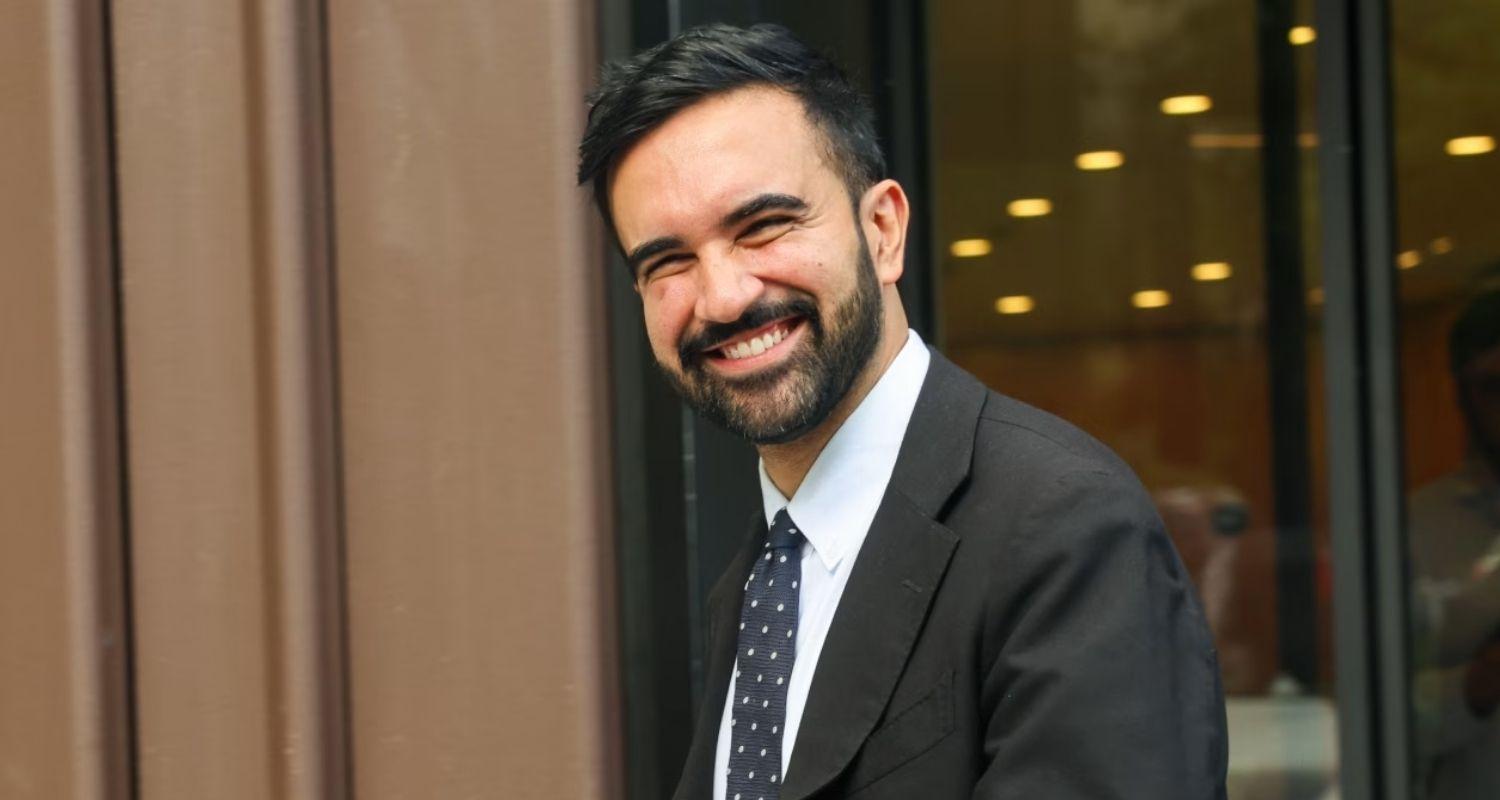
Indian-origin New York Mayor Zohran Mamdani during King Charles visit to the US has revived the debate over the return of Kohinoor diamond to India. It has also revived the harsh colonial memories of the subcontinent.
King Charles recently concluded his state visit to the United States. He also visited the 9/11 Memorial in Manhattan to pay homage to those killed in the terror attack on September 11, 2001. During the run up to the visit, in an interaction with the media, Mamdani said, “If I were to speak to the King separately, I would probably encourage him to return the Koh‑i‑Noor diamond [to India].”
It is not clear whether Mamdani actually raised the matter with King Charles or not. There has been no confirmation about it neither from Mamdani’s office nor from Buckingham Palace. Irrespective of the fact, he made an important “political statement” that goes beyond the issue of the “mere return” of the precious jewel to India.
Mamdani is the first Socialist Democratic Mayor of New York. He is a diehard anti-colonialist. His remarks about Kohinoor obviously revived the colonial memories of loot and exploitation of the “colonial states” by the British Empire during the colonial era. The Kohinoor diamond’s history is intertwined with the colonial legacy of loot and exploitation.
Britain claims that the “rarest of the rare” diamond was “legally transferred” to it in 1849 by its then legal owner of that time. The diamond was taken away by the British from Maharaja Duleep Singh, the ten-year old young son of Maharaja Ranjit Singh under the Treaty of Lahore, which brought Punjab under the control of the British Empire. It is understandable how fair the treaty would have been at that time between a ten-year old prince and heir apparent to Maharaja Ranjit Singh on one side and the mighty British Empire on the other side.
By referring to Kohinoor, Mamdani made multiple points. One, it reminded the British that they had looted and robbed the states they ruled and how they had acquired territories and kingdoms forcibly.
Zohran Mamdani was born in Uganda to Indian origin parents. Uganda was also part of the British colonial empire. Mamdani traces his roots to Gujarat in India from where his ancestors had migrated to Uganda and eventually to the United States. His father Mehmood Mamdani is a historian while his mother Mira Nair is a famous filmmaker.
Besides making a statement on colonialism, Mamdani also sought to relate himself to his ancestral roots with India. He has often been referring to his Indian roots although he has not spent much time in India.
Also read: Subtle roasts, standing ovations: How King Charles charmed the US
At times he has also taken controversial positions and made controversial statements particularly about Prime Minister Narendra Modi and the state of Muslims in Gujarat, which are far from the ground reality.
Given the gift of gab and mastery over setting narratives, Mamdani used King Charles’ visit to the US to rake up an issue that has hardly any concern with the United States. But it did generate a debate in the media both in India as well as the US. The New York Times ran a comprehensive story about Mamdani’s take on Kohinoor. It touched the raw “colonial” nerve of Great Britain.
Back home in India, there is not much interest left about the diamond. Maharaja Ranjit Singh was actually the last owner of the diamond in India. The diamond is believed to be cursed and its ownership jinxed, as it is feared to bring death and destruction to its owner.
Ranjit Singh had got the diamond from the deposed Afghan king Shah Shuja Durani in 1813. Due to the strife in Kabul, Durani had fled to neighbouring Punjab. Maharaja Ranjit Singh’s empire bordered Afghanistan.
Durani stayed in Lahore where Ranjit Singh is believed to have pressured and persuaded him to part with the precious diamond. Ranjit Singh did not take the diamond from a reluctant Durani for free. He is said to have given him Rs 1.25 lakh at that time, besides guaranteeing the safety and security to him and his family.
The Kohinoor has a long and chequered history that is believed to be more than a millennium old. Originally believed to have been mined from Golconda, it ultimately reached the Mughals. When Iranian raider Nader Shah rampaged Delhi in 1739, he took its possession from the then weak Mughal ruler of Delhi Muhammad Shah.
When Nader Shah was assassinated in 1747, just eight years after taking possession of the diamond, his first lady is believed to have handed it over to his trusted general Ahmad Shah Durani, who later founded the Durani kingdom in Afghanistan. Shah Shuja Durani, who handed over the diamond to Ranjit Singh, was Ahmad Shah Durani’s grandson.
Nobody possessed the Kohinoor and lived happily for that long, till it reached the British through the East India Company, which gifted it to Queen Victoria in 1849.
Today, not only India, but Pakistan, Iran and Afghanistan also claim the ownership of Kohinoor, which the British are refusing to part with saying it was “legally transferred” to the British crown by a “ten-year-old” Maharaja Duleep Singh as part of the Treaty of Lahore.
And the story lives on.

 Follow us