If Saudi Arabia and United Arab Emirates, two prominent and influential Islamic countries can take a position and side with Israel and the United States against an Islamic country like Iran, why should people, particularly India’s Opposition parties, have a problem with India adopting a pragmatic stance in the country’s favour and interest? Everything else is secondary.
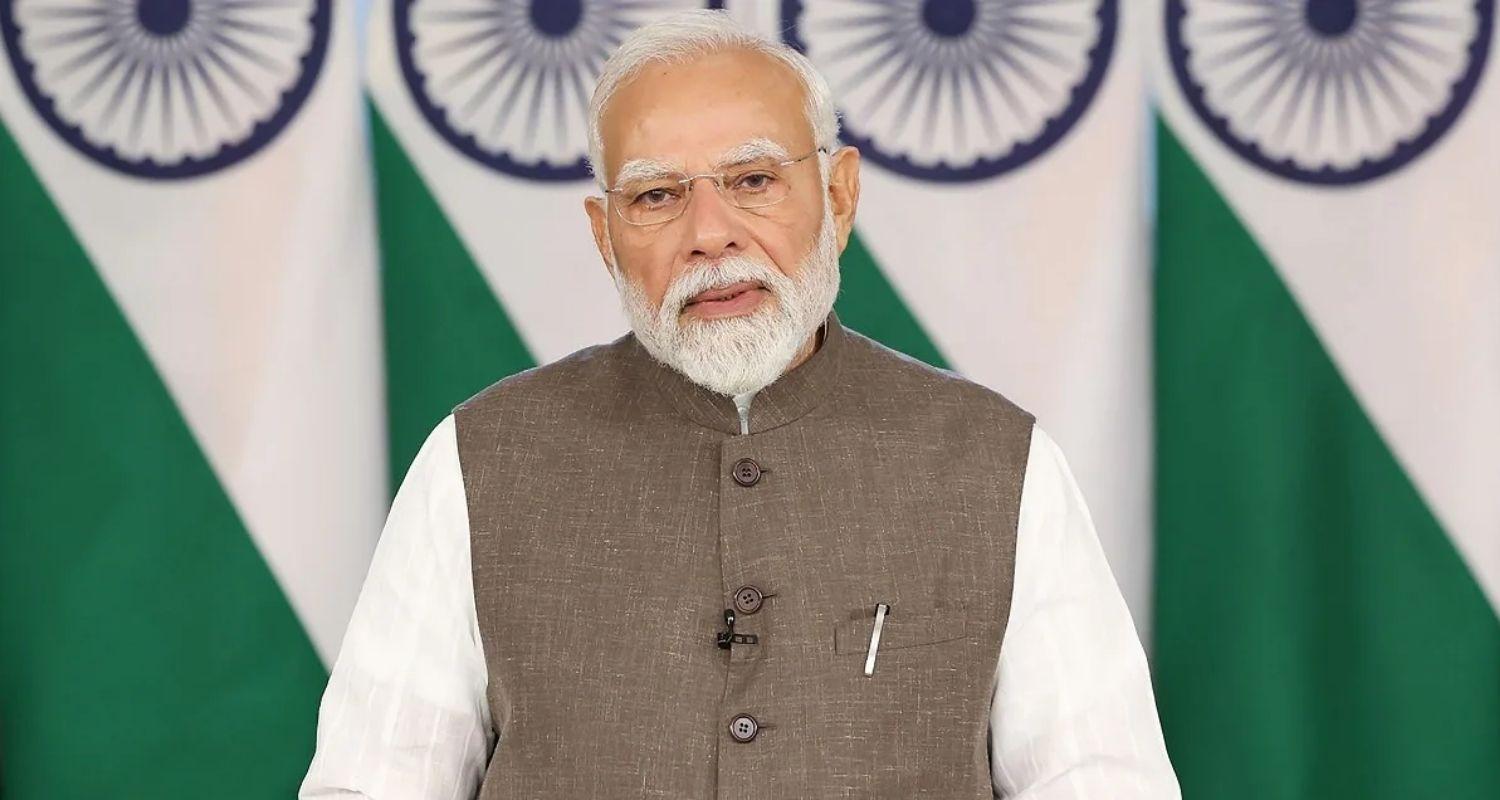
The Government of India, under the leadership of Prime Minister Narendra Modi, has shown unambiguity of stance and clarity of choice in the current war in the Gulf. Prime Minister Modi has expressed solidarity with Israel and the UAE. He called Israeli Prime Minister Benjamin Netanyahu and UAE President Sheikh Mohammed bin Zayed Al Nahyan after the escalation.
Modi was clear and categorical. He wrote on X about his call to Netanyahu, “Had a telephone call with PM Benjamin Netanyahu to discuss the current regional situation. Conveyed India's concerns over recent developments and emphasised the safety of civilians as a priority. India reiterates the need for an early cessation of hostilities.”
About the call with the UAE President, Modi sounded more personal, specially using the word “brother” with his name. “Spoke with the President of the UAE, my brother Sheikh Mohammed bin Zayed Al Nahyan. Strongly condemned the attacks on the UAE and condoled the loss of lives in these attacks. India stands in solidarity with the UAE in these difficult times. Thanked him for taking care of the Indian community living in the UAE. We support de-escalation, regional peace, security and stability.”
India’s Opposition parties, particularly the Congress, have not liked it. Party spokesperson Pawan Khera while quoting Prime Minister Modi’s earlier remarks that “India and Iran's dosti is as old as history”, remarked, “and yet, Modi has not a word to utter on the targeted assassination of Ayatollah Khamenei. It is a historic betrayal of our ties with Iran and reflects a troubling moral timidity on the part of Narendra Modi.”
The Congress also condemned the targeted killing of Khamenei with party president Mallikarjun Kharge saying, “the Indian National Congress unequivocally condemns the targeted assassination of Iran's Supreme Leader, Ali Hosseini Khamenei, in a military strike carried out without a formal declaration of war. The INC extends its deepest condolences to the supreme leader's family, to the people of Iran, and the Shia community around the world in this moment of profound grief. We stand in solidarity with them as they navigate this grave crisis.”
Yes, India and Iran enjoyed “good relations” in the past. It was Iran in 1994, which prevented a UNHRC resolution on Kashmir from being presented, by siding with India, instead of Pakistan. Prime Minister Modi did extend his hand of friendship towards Iran and he visited that country in 2016, where he famously said, “India and Iran’s dosti is as old as history.”
But subsequently, Khamenei’s stance was not neutral or balanced. He once clubbed the plight of Rohingya and Kashmiri Muslims, suggesting that the latter were being subjected to similar persecution by India as the Rohingya Muslims were being subjected to in Myanmar.
The relationship reached its point of nadir during the anti-CAA protests and communal clashes in Delhi when Khamenei and then Iranian Foreign Minister Javed Zarif came out with highly critical comments on India, alleging persecution of Muslims.
Khamenei wrote on March 5, 2020, “the hearts of Muslims all over the world are grieving over the massacre of Muslims in India. The government of India should confront extremist Hindus and their parties and stop the massacre of Muslims in order to prevent India’s isolation from the world of Islam.”
Also read: Brazen US attack on Iran is not justified
Zarif made similar remarks earlier, saying, “Iran condemns the wave of organised violence against Indian Muslims. For centuries, Iran has been a friend of India. We urge Indian authorities to ensure the wellbeing of ALL Indians and not let senseless thuggery prevail.”
Iran took a position similar to that of Pakistan and Turkey despite India remaining supportive of Iran when it was being globally isolated and going ahead with the Chabahar port project amidst concerns from the West. India rightly felt it was a betrayal. The relationship never came back on track and remained very cold till now.
Even during Operation Sindoor, while Iran tried to present a “balanced and neutral stance”, its position was clearly tilted towards Pakistan in reference to Kashmir.
Compare this with the position taken by Israel, which not only provided unambiguous diplomatic support to India but also helped with intelligence and military hardware for precision military strikes on terrorist targets deep inside Pakistan in the aftermath of the Pahalgam terror attack and the follow up Operation Sindoor.
The HARPY drones and Barak-8 missile systems provided a significant edge to India during Operation Sindoor as these countered Pakistani drones and missile threats.
While today India has all the reasons, not just pragmatism, to stand by Israel, during the 1990-91 Gulf War, India provided refuelling facility for the US warplanes. This was despite the fact that India’s relationship with the United States was far from friendly and Iraq under Saddam Hussein was a good friend.
The Government of India that time with Chandrashekhar as the Prime Minister could not initially resist the US pressure and it allowed refuelling. It was only after Rajiv Gandhi threatened to withdraw the Congress support to Chandrashekhar’s government that the permission for refuelling was withdrawn. The Congress eventually withdrew support to the government over the alleged spying on Rajiv Gandhi.
The Congress has obviously taken a position not because of any sympathies for the Iranian regime or its late supreme leader, but only because it wants to be seen standing with the 20 crore strong Indian Muslim community. If a 100 per cent Muslim country like Saudi Arabia does not have any moral or religious compunction to stand with the “Zionist” Israel, why should India? For India, national interest comes first above everything else. Israel has proved to be the most reliable friend to India.
Also, Iran is not the only Muslim country in the world. There are others like Saudi Arabia, UAE, Kuwait, Qatar and Bahrain, which are not even neutral but standing with Israel and the UN, in their war against “Islamic” Iran, which follows the Shia faith, unlike the Sunni countries.
No Prime Minister of India could have taken a better position as Modi did under the current circumstances. Pragmatism is always a better option over idealism, particularly when national interest is at stake.

 Follow us