
Trending:
Labour Codes to reshape India's workforce
India’s new labour codes, replacing 29 outdated laws with four modern statutes, aim to formalise the workforce, extend social security to gig, contract, and migrant workers, ensure minimum wages, and streamline compliance, marking one of the country’s biggest labour reforms. Follow us
News Arena Network - Chandigarh - UPDATED: November 29, 2025, 08:28 PM - 2 min read
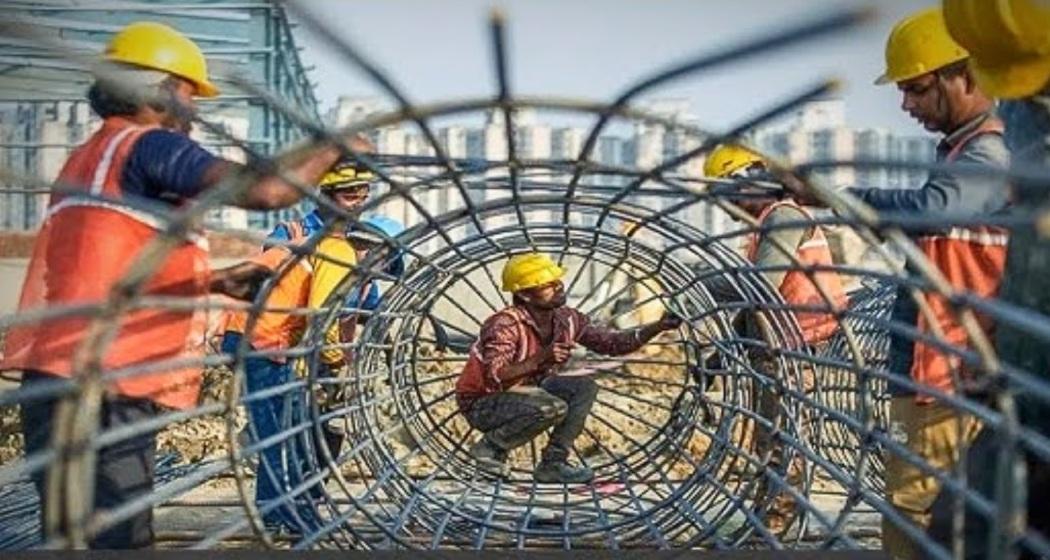
Representative image.
Those growing up in 1980s India have vivid memories of ‘lunch hour demonstrations’ by bank employees protesting against computerisation. The computer was projected as the new enemy that would devour jobs. It did not take long to prove that those fears were irrational.
Years later, similar narratives were woven around economic liberalisation and privatisation. Private capital was framed as the enemy of the people, and the State as the benevolent provider. This sustained resistance to reforms eventually slowed down the country’s progress and its integration with the global economy.
It is the same protest class that periodically raises an alarm over any public policy that seeks to break the status quo and embrace new technologies to improve governance and delivery of citizen services. Examples include objections to the financial inclusion scheme, the Jan Dhan Yojana, the digital payment system and administrative reforms.
The current protests against the new labour codes stem from a similar mindset: a lazy ideology that celebrates lethargy and incompetence, thrives on entitlement and government patronage, and resists change.
Need of the hour
For a country that aspires to become a global economic powerhouse, clinging to archaic labour laws is not an option. It would be like running a bullet train on a rickety track.
Failure to reform labour laws in tune with the changing dynamics of industry has been one of the key obstacles to the country’s growth. Now that the long-delayed overhaul of the labour landscape has finally arrived, it is an occasion to celebrate.
But we still hear the voices of doom. The crux of the protests is that the new labour codes could undermine job security, weaken wage protection and encourage exploitation by employers. The objections are essentially coming from the Left parties and their affiliated labour unions, who have dubbed the labour codes an attack on the working class, claiming they are heavily biased in favour of employers. According to them, the main threat is the possible restriction of the right to strike.
The real reason why trade union leaders are vehemently opposed to the reforms is the fear of losing relevance as contract jobs become more common in the future.
A new beginning
Replacing 29 central laws with four labour codes, covering wages, industrial relations, social security and occupational safety and working conditions, is undoubtedly one of the biggest reforms in independent India and is set to reshape the country’s workforce.
The changes promise stronger wage security, wider social-security benefits, formal recognition for gig and platform workers, and clearer rules for both employers and employees. The decisive shift also aligns with the government’s vision of a more formal, protected and productive workforce.
One of the biggest takeaways is that lakhs of workers who were previously outside institutional coverage would now be brought under the safety net of social security, insurance and statutory entitlements. It is a grossly misplaced fear that the labour codes are designed to favour industries at the cost of workers.
There is strong justification for labour reforms that reflect the new realities of industry. An aspiring India must shed the baggage of archaic laws originally meant to protect the interests of colonial masters. The new set of reforms promises minimum wages, enhanced social security and a safety net for employees, while easing regulations and compliance norms for employers.
The rollout promises timely wages, formal appointment letters, minimum-wage guarantees and annual health check-ups for employees. Recognition of gig and platform workers within the social-security architecture is perhaps the single biggest structural change, acknowledging a segment long left outside the statutory net.
The universal statutory right to minimum wages across sectors, mandatory written job contracts, improved gratuity access for fixed-term workers and clear norms on health and safety reflect a shift towards formalisation and transparency. The codes also mandate equality of employment conditions for women, expanding the scope of their participation in the workforce.
Stifling labour laws
India’s old labour laws were complex and outdated. They increased the compliance burden and discouraged businesses from hiring. Many workers, especially gig, platform, MSME and migrant workers, had no uniform social security. States had already begun reforming their labour laws, leading to fragmented rules. The new labour codes seek to fix this problem.
For decades, India operated under labour laws drafted between the 1930s and 1950s, rules built for a pre-digital, pre-gig economy. Fragmented regulations meant overlapping compliance, outdated systems and limited protection for workers outside the formal sector.
The four labour codes replace this patchwork with a uniform, modern legal framework that the government says will create “a protected, future-ready workforce and resilient industries.”
The transformation aligns India with global standards, consolidates rights into four comprehensive laws and extends benefits to workers who were previously unprotected, particularly gig workers, migrants, contract labour and MSME employees.
For contractual workers, health and social-security benefits are ensured by the principal employer, including free annual health check-ups. Another important feature of the new labour codes is that women workers will receive equal pay, up to 26 weeks of maternity leave, crèche facilities and a medical bonus. Consent-based night work is also permitted with safety protocols.
The reforms will lay the foundation for a more equitable, transparent and growth-oriented economy. They reaffirm India’s commitment to fostering a modern labour ecosystem that empowers both workers and industry, paving the way for inclusive and sustainable progress. The key reasons behind this reform include simplifying compliance, streamlining enforcement and modernising outdated laws.
The Code establishes a statutory right to minimum wages for all employees across both organised and unorganised sectors. Earlier, the Minimum Wages Act applied only to scheduled employment, covering 30 per cent of workers.
One of the biggest shake-ups for employers comes from the new wage definition. Basic pay plus dearness allowance must now make up at least half of an employee’s total compensation. This single change disrupts the allowance-heavy structures common across industries.
With higher basic pay, statutory payouts such as provident fund contributions, gratuity, ESI and leave encashment will automatically rise. For companies in manufacturing, IT services, logistics and retail, this shift could significantly inflate wage bills.
Social-security requirements will also expand. More categories of employees, including contract workers, fixed-term employees and gig workers, will now fall within the PF and ESI net. The new codes also introduce mandatory annual health check-ups for employees above 40 and reduce the threshold for gratuity eligibility for fixed-term staff.
If accompanied by increased investments in education, skilling, infrastructure and enterprise support, the labour reforms will help unlock the country’s full potential.
