
Trending:
Remembering January 19, 1990, in Kashmir
On the fateful night, tens of thousands of Kashmiri Pandits rushed out of their homes to catch a bus or a taxi to get out of Kashmir. A lot has changed in the last 36 years in Kashmir but for Kashmiri Pandits, the “arms of the clock cannot move back”. January 19, 1990 cannot be undone. For Kashmiri Pandits, return to Kashmir is a closed chapter. Follow us
News Arena Network - Chandigarh - UPDATED: January 18, 2026, 10:20 PM - 2 min read
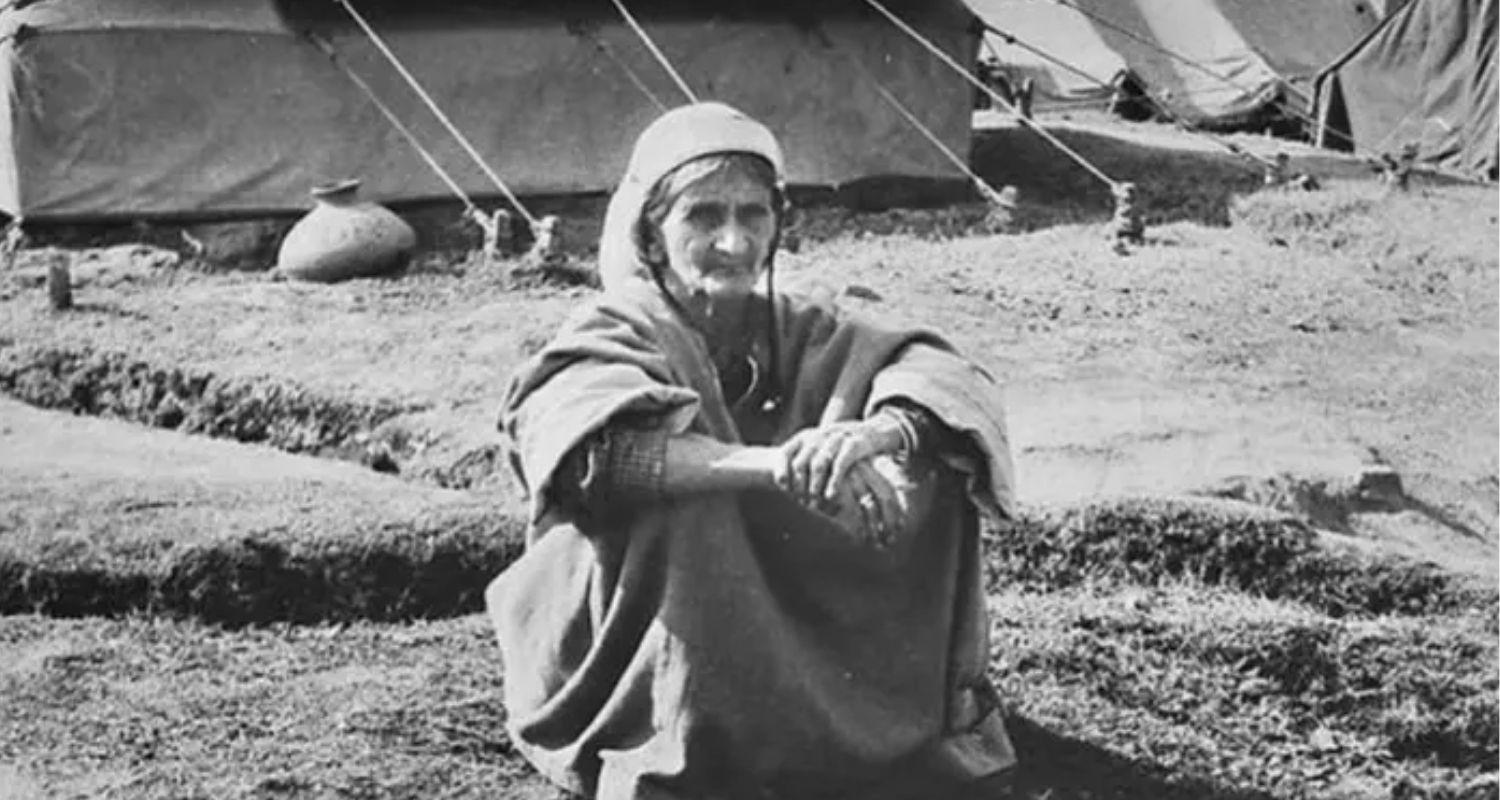
So many Kashmiri Pandits had been brutally killed on the excuse of being ‘mukhbir’
By VIMAL SUMBLY
Displaced Kashmiri Pandits across the world observe January 19 as the ‘Holocaust Day’, something they seek to equate with January 27, the ‘Holocaust Day’ observed the world over by Jews in memory of the liberation of the Auschwitz-Birkenau concentration camp by the Soviet troops on this day in 1945. The enormity of the genocide of Jews has no parallels in history. The Kashmiri Pandits wanted the world's attention towards their plight, which was and continues to be consistently and continuously ignored even after 36 years.
There was a background to January 19, 1990 events which primarily took place in the capital city of Srinagar. An atmosphere of terror and horror was created across Kashmir. Lakhs of people would come out of their homes and take out massive marches, which would culminate outside the offices of the United Nations Military Observers in Srinagar. Young men, even teenagers, would carry and display AK-47 rifles openly with ‘shrouds’ wrapped around their shoulders as a show of defiance and determination that they were ready to die for the “freedom of Kashmir”.
The protests of this scale were “inspired” by similar protests in Eastern Europe, where the Communist regimes fell like the proverbial house of cards after the weakening of the USSR. As the Berlin Wall fell on November 9, 1989, more countries in Eastern Europe started protesting against the Communist regime, which collapsed within no time. Most eventful was the removal of Romanian dictator Nicolae Ceausescu on December 25, 1989, when over a million people came out to protest.
Kashmir had seen a boom in television sales in view of the India-Pakistan cricket series. As the visuals of the Eastern European “anti-Communist” protests flashed on the TV screens, people in Kashmir started relating their “own situation” with those protests. This worked as a trigger. Not many people in Kashmir would understand what was actually happening in Eastern European countries.
The regime change from communism to democracy was described as “liberation and freedom” from the Soviet Union. Local propagandists through mosques and local newspapers supported by Radio Pakistan and Pakistan Television amplified the events and made these look like freedom struggles. People in Kashmir started believing that if a mighty superpower like the USSR can be defeated and thrown out, why not India, which was no match to Soviet military and economic prowess.
People started believing that ‘azadi’ (independence from India) was just round the corner and it was just a matter of a few days. Even well-educated people from Kashmir, who had gone to Jammu, Delhi and other parts of the country to spend winter there, returned in hurry, lest they may face problems in getting “visas” later! Such was the intensity of the belief that Kashmir was going to be independent within a few days.
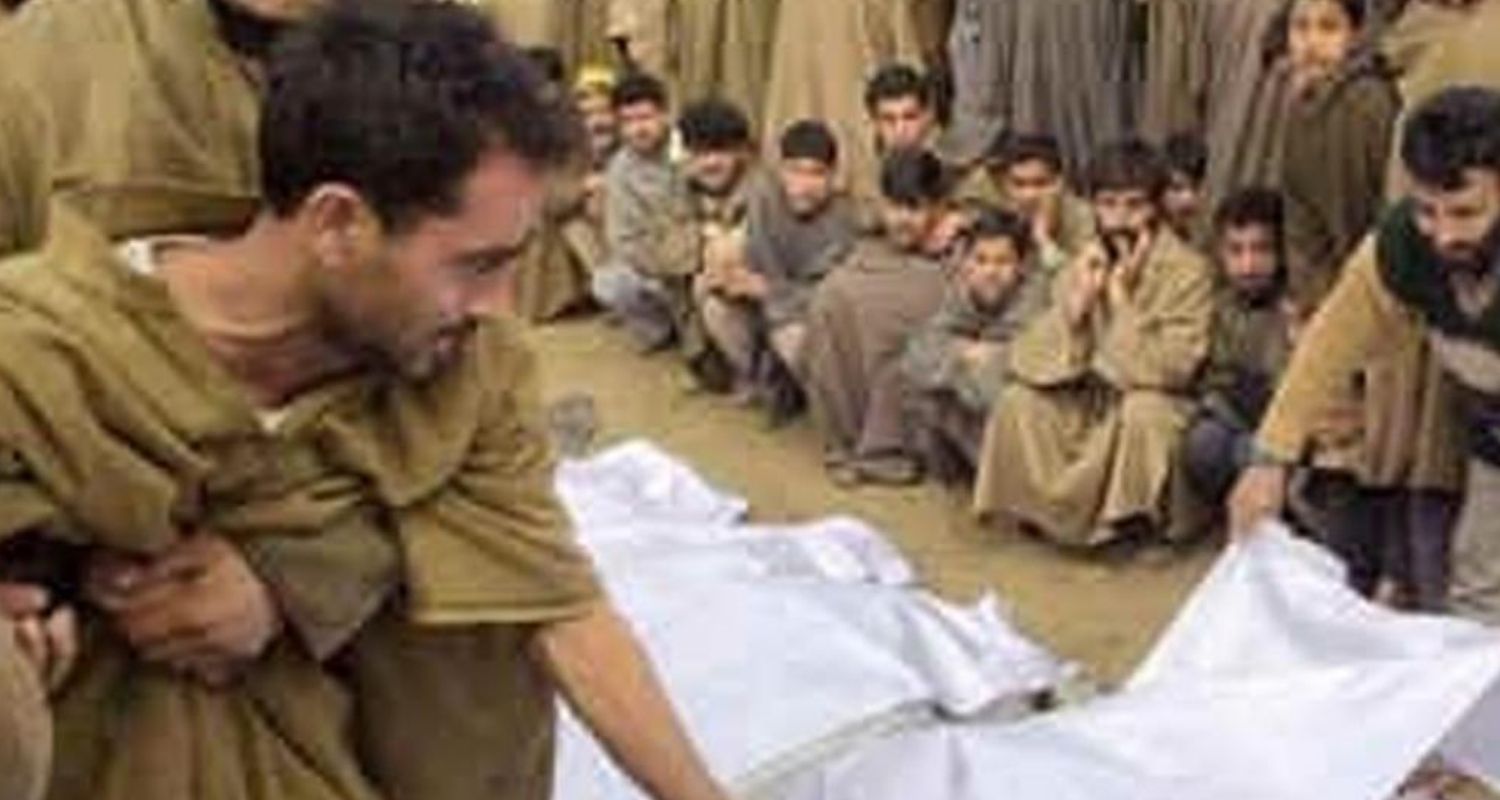
January 25 was chosen as the “D-Day”, just ahead of the Republic Day when lakhs of people would converge on Srinagar city and unfurl the flag of “independent Kashmir” over the Civil Secretariat. January 25 was deliberately chosen similar to August 14, the Independence Day of Pakistan, which falls one day before India’s Independence Day. It was not just the common belief but talk of the town that on January 26, 1990, it will not be the tricolour that would unfurl on the Civil Secretariat, but that of the “independent Kashmir”.
Also read: Kashmir’s accession being 'conditional' is an absurd myth
January 19 was the Friday preceding January 25. Every mosque in Kashmir, particularly in Srinagar started invoking the “faithful” to be ready for “jihad” against the “infidels”. Kashmiri Pandits did not have any doubts as to what was meant by the “infidels”. So many of them had been brutally killed on the excuse of being ‘mukhbir’ (Indian agents and informers). A Kashmiri Pandit was presumed to be an “Indian agent” and the enemy of the freedom struggle. Anyone of them could be randomly picked up and killed in full public view and that was done precisely to instil fear and terror among the entire community, leaving no option for them but to choose to flee.
The mosques started blowing out war cries of ‘jihad’ against the infidels, with slogans like, ‘ay kafiro ay jabiro, Kashmir hamara chhod do’ (oh the infidel and the oppressors, leave our Kashmir). It was obviously aimed at the Kashmiri Pandits. Tens of thousands of them rushed out of their homes to catch a bus or a taxi to get out of Kashmir. The iconic Tourist Reception Centre in Srinagar became their converging point for immediate shelter, where they felt safe in being together till they managed to flee in the darkness of a cold January night.
It is quite often being said it was the then Governor Jagmohan who asked the Kashmiri Pandits to leave so that he could “indiscriminately exterminate” the Kashmiri Muslims. On the face of it the claim itself is absurd. Second, Jagmohan was appointed the Governor the previous day and he took charge on January 19, the same day the mosques started billowing out war cries and asking the “infidels” to leave. Had Jagmohan been appointed the Governor even a week before, the exodus might well have been prevented.
The separatists and secessionists had already tasted blood on December 13, 1989 when they forced the Government of India to release five dreaded militants of the Jammu and Kashmir Liberation Front in exchange of the release of Rubaiya Sayeed, the daughter of then Union Home Minister Mufti Mohammad Sayeed. She was kidnapped on December 8, 1989. Then Chief Minister of Jammu and Kashmir Farooq Abdullah had tried to put up strong resistance against releasing the militants in exchange. He was rightly confident that Rubaiya would be released and the militants would not harm her and risk public outrage.
The drift started from that day. The National Conference-Congress alliance government was at its weakest by then. With Mufti Sayeed, Farooq’s perennial bête noir, as the Union Home Minister and VP Singh as the Prime Minister, the coalition government was reeling under pressure. Farooq, apparently wanting to wriggle out of the situation, resigned to protest against the appointment of Jagmohan as the Governor. It was more a dissent against Mufti than Jagmohan.
The VP Singh government had proved itself to be the “weakest”. This boosted the morale of the militants. More and more people started joining their ranks. Buses started plying between Srinagar and Muzfarrabad, the capital of Pakistan-Occupied Kashmir, ferrying young men for training to participate in ‘jihad’ against India in Kashmir.
As already mentioned, “independence” was thought to be a foregone conclusion. Kashmiris are not brave and daring by nature. Had they the slightest idea of any risk involved in going for militancy training across the fence, most of them would have opted out. Going across the fence looked and felt like a celebratory picnic in the initial days. The youth would return on time and schedule to rousing welcome and reception like the “bridegrooms” in a wedding.
Till that time, when hundreds of trained militants were back in Kashmir, the local police had not fired a single shot. There was a complete collapse of the police and local administration. The ‘self-celebrated’ former RAW chief AS Dulat, who now keeps on pontifying the government, was in charge of Jammu and Kashmir at that time. Entire infiltration and exfiltration took place while he was heading the Intelligence Bureau in the state. Several IB officers got killed in Kashmir during this period with accusations that their identity had been compromised. People like Dulat owe an explanation to the nation today.
A lot has changed in the last 36 years in Kashmir. All those misplaced beliefs of India vacating Kashmir have been rightfully shattered. The same people who used to claim and “celebrate in anticipation” India’s exit, realise that Kashmir being part of India is a historical, constitutional and legal reality, nobody can undo. As former Prime Minister Indira Gandhi once told Sheikh Abdullah, “arms of clock cannot be moved back.”
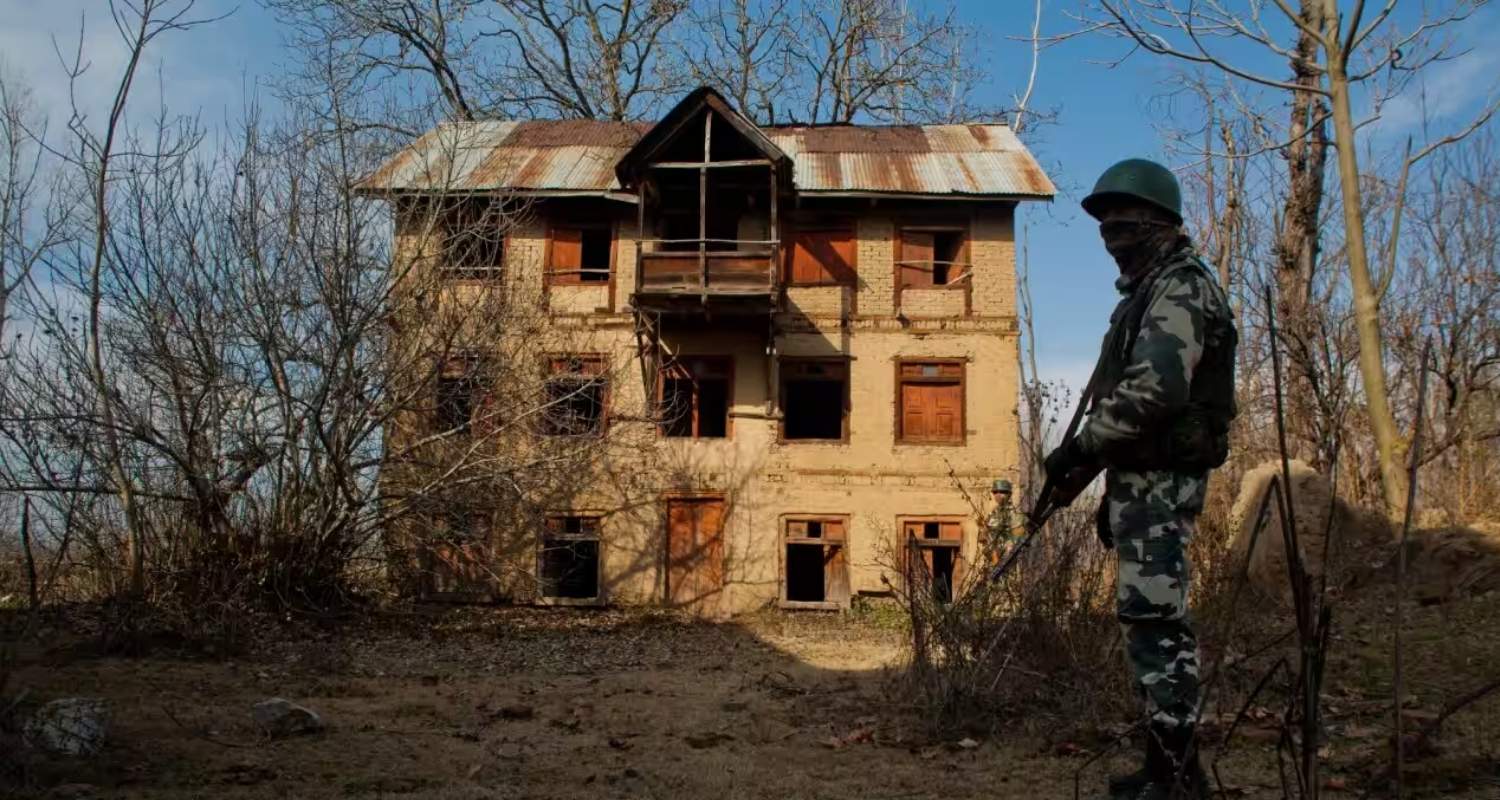
Sadly, the same holds true for the Kashmiri Pandits today. For them also, the “arms of the clock cannot move back”. January 19, 1990 cannot be undone. It was the day when the exodus started, never to end, never to reverse, no matter how much lip service is done on the subject. Practically, for the Kashmiri Pandits, return under current circumstances is a closed chapter.
