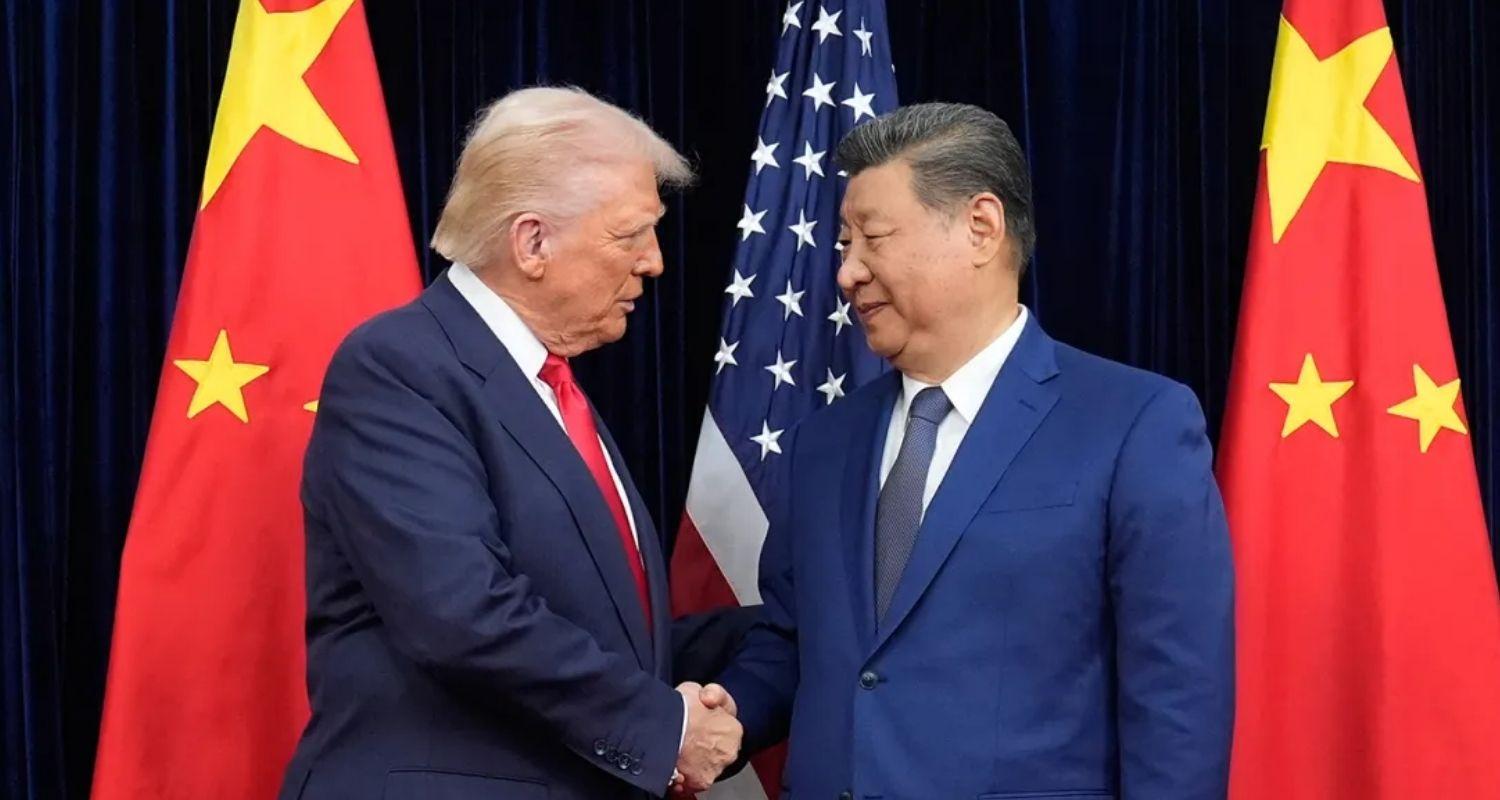
As predicted earlier, the much-anticipated summit between US President Donald Trump and Chinese President Xi Jinping was dominated by discussions on trade, tariffs, sanctions, the war in Iran, the Strait of Hormuz, Taiwan, Russia-Ukraine conflict, cooperation, agreements, nuclear issues, and the usual high pageantry and photo opportunities.
However, apart from a few agreements on trade, rare earth minerals, sanctions, the opening of the Strait of Hormuz, and Iran’s nuclear weapons programme, most other outcomes remained largely symbolic. Both sides continued to disagree on a range of critical issues, particularly the US stance on Taiwan and China’s firm rejection of entering into a new trilateral nuclear agreement with the US and Russia.
The Chinese President openly warned Trump that disagreements over Taiwan could push the two sides towards possible military confrontation in the near future. This was not a mere threat but a clear assertion meant to be backed by action, as Xi conveyed his position firmly through translators during the talks.
While not much was expected from Trump either, he managed and handled the situation well, knowing he was on foreign soil negotiating with what many describe as the sole incoming superpower within the next decade.
Positive developments
Trump came to China with high expectations, especially on solving the ongoing global crisis triggered by the closure of the Strait of Hormuz. Chinese President Xi, while giving some leverage to Trump, agreed to increase purchases of crude oil from the United States and sided with him on the Iran nuclear issue to some extent. Besides, the two leaders also agreed that the Strait of Hormuz needs to remain open even when there are hostilities between regional or international powers, since its closure causes severe strain on the global economy.
Symbolic goodwill gestures
On the very first day of the meeting, Trump announced the lifting of sanctions on 10 Chinese firms, allowing them to purchase semiconductor chips. Some of these firms were primarily associated with the Chinese government and had been working on missile technology, including aiding Pakistan.
Trade truce extension
Both sides agreed to maintain and improve the fragile trade truce. This includes pausing all new tariffs while continuing with managed and fair competition. The Chinese side agreed to procure and increase imports of US goods and agricultural produce, including soybeans and beef, as well as energy products like LNG and oil. This measure is expected to help the US minimise its trade deficit with China.
Also read: Taiwan row overshadows Donald Trump-Xi Jinping summit
One of the most important developments was China agreeing to purchase around 200 Boeing jets (including 737 MAX models), a significant boost for US manufacturing and the first major order in nearly a decade. Some of these orders had been cancelled when the trade war escalated last year.
Rare earth and critical minerals
There was continuation and extension of eased Chinese export controls on rare earths, a key US concern for supply chains in technology, defence, and electric vehicles. Besides, the two sides also agreed to cooperate on curbing fentanyl precursors, which has triggered a serious health crisis in the US mainland, as a sizeable portion of the American population is addicted to the drug methamphetamine smuggled from China.
Bilateral ties
China is willing to work with the US to translate the new positioning of their “constructive strategic stable relationship” into “actions of mutual approach” and jointly promote the stable, healthy and sustainable development of China-US relations, Chinese Foreign Ministry spokesman Guo Jiakun said during a press conference on Thursday.
Deadlocks
While Donald Trump tried to bring China under a new trilateral nuclear treaty, which he has been advocating since the last pact between Russia and the US expired earlier this year, Beijing’s rejection has dealt a severe blow to US aspirations. Xi made it clear that China’s nuclear programme was beyond any agreement control.
Another major deadlock stemmed from the US’ unchanged position on Taiwan, where Trump and Secretary of State Marco Rubio stated that America’s position on the semi-independent island territory would not change. While rejecting forceful annexation, Rubio suggested a referendum-style solution.
Xi once again raised strong objections, stating that China would merge the island nation by either peaceful means or forceful measures. Also, China has not issued any strong condemnation of Iran, sending a clear message to the US that Beijing will not fully side with Washington on the matter, though it has signalled some positive actions in the coming days.
As mentioned previously, this summit was always going to be high on pageantry with mixed results. The deadlock over technology, AI competition, technology transfer, and supply chain “de-risking” showed exactly what kind of outcome these talks would produce.
On tariffs and market access, while some rollbacks and purchase commitments were discussed, core high tariffs and structural issues such as Chinese subsidies and market barriers were not resolved.
Global order destabilised
While both sides can celebrate some marginal victories, major uncertainties continue to affect countries worldwide. As a result of the ongoing tensions, oil prices, import duties, food items, and energy have become costlier in nations that rely heavily on imported crude oil, forcing poor countries to enforce austerity measures.
The summit had little to offer the international community, as both leaders focused more on solving their bilateral issues rather than ensuring greater stability and peace that affects the entire global community.
By Waseem Ahmad Ganie

 Follow us