
Trending:
US exit from WHO: What the world will lose
The US severing its ties with the WHO will cause ripple effects that linger for years to come, with widespread implications for public health. Experts predict that China will use this opportunity to strengthen its position and its global influence, stepping into the power vacuum the US creates by withdrawing. Follow us
News Arena Network - Washington D.C. - UPDATED: February 3, 2026, 03:25 PM - 2 min read
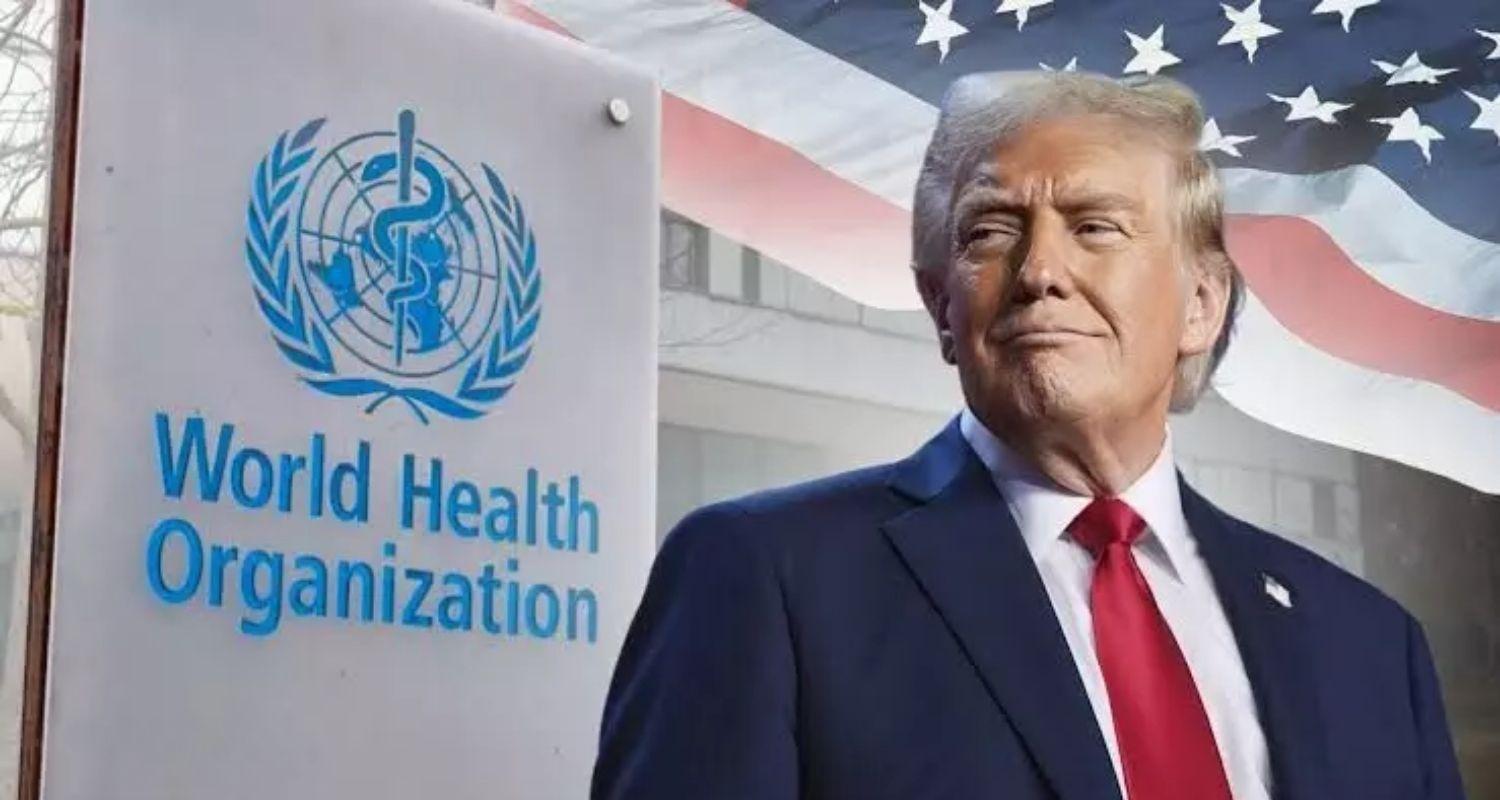
The WHO has clearly signalled its desire to continue to engage with the US, saying it “regrets the US decision to withdraw” and hopes the US will reconsider its decision to leave.
The US departure from the World Health Organisation became official in late January 2026, according to the Trump administration – a year after President Donald Trump signed an executive order on inauguration day of his second term declaring that he was doing so. He first stated his intention to do so during his first term in 2020, early in the COVID-19 pandemic.
The US severing its ties with the WHO will cause ripple effects that linger for years to come, with widespread implications for public health.
Why is the US leaving the WHO?
The Trump administration says it’s unfair that the US contributes more than other nations and cites this as the main reason for leaving. The White House’s official announcement gives the example of China, which – despite having a population three times the size of the US – contributes 90 per cent less than the US does to the WHO.
The Trump administration has also claimed that the WHO’s response to the COVID-19 pandemic was botched and that it lacked accountability and transparency.
The WHO has pushed back on these claims, defending its pandemic response, which recommended masking and physical distancing.
The US does provide a disproportionate amount of funding to the WHO. In 2023, for example, US contributions almost tripled that of the European Commission’s and were roughly 50 per cent more than the second highest donor, Germany.
However, the withdrawal process is complicated, despite the US assertion that it is final. Most countries do not have the ability to withdraw, as that is the way the original agreement to join the WHO was designed. But the US inserted a clause into its agreement with the WHO when it agreed to join, stipulating that the US would have the ability to withdraw, as long as it provided a one-year notice and paid all remaining dues. Though the US gave its notice when Trump took office a year ago, it still owes the WHO about US$260 million in fees for 2024-25. There are complicated questions of international law that remain.
Short-term impact
In short, the US withdrawal weakens public health abroad and at home. The WHO’s priorities include stopping the spread of infectious diseases, stemming antimicrobial resistance, mitigating natural disasters, providing medication and health services to those who need it, and even preventing chronic diseases. So public health challenges, such as infectious diseases, have to be approached at scale because experience shows that coordination across borders is important for success.
The US has been the largest single funder of the WHO, with contributions in the hundreds of millions of dollars annually over the past decade, so its withdrawal will have immediate operational impacts, limiting the WHO’s ability to continue established programmes.
As a result of losing such a significant share of its funding, the WHO announced in a recent memo to staff that it plans to cut roughly 2,300 jobs – a quarter of its workforce – by summer 2026. It also plans to downsize 10 of its divisions to four.
Also read: US withdraws from WHO, calls its bureaucracy ‘bloated’
In addition to a long history of funding, US experts have worked closely with the WHO to address public health challenges. Successes stemming from this partnership include effectively responding to several Ebola outbreaks, addressing mpox around the world and the Marburg virus outbreak in Rwanda and Ethiopia.
The Infectious Diseases Society of America issued a statement in January 2026 describing the move as “a shortsighted and misguided abandonment of our global health commitments,” noting that “global cooperation and communication are critical to keep our own citizens protected because germs do not respect borders.”
Longer-term impact
By withdrawing from the WHO, the US will no longer participate in the organisation’s Global Influenza Surveillance and Response System, which has been in operation since 1952. This will seriously compromise the US’ ability to plan and manufacture vaccines to match the predicted flu strains for each coming year.
Annual flu vaccines for the US and globally are developed a year in advance using data that is collected around the world and then analysed by an international team of experts to predict which strains are likely to be most widespread in the next year. The WHO convenes expert panels twice per year and then makes recommendations on which flu strains to include in each year’s vaccine manufacturing formulation.
While manufacturers will likely still be able to obtain information regarding the WHO’s conclusions, the US will not contribute data in the same way, and American experts will no longer have a role in the process of data analysis. This could lead to problematic differences between WHO recommendations and those coming from US authorities. The country’s diminished ability to prepare in advance through flu shots will likely mean more flu hospitalisations and deaths.
This is just one example of many of how the US’ departure will affect the country’s readiness to respond to disease threats.
Additionally, the reputational damage done by the US departure cannot be overstated. The US has developed its position as an international leader in public health over many decades as the largest developer and implementer of global health programmes.
Surrendering this position will diminish the United States’ ability to influence public health strategies internationally. It will also make it harder to shape a multinational response in the event of another public health crisis like the COVID-19 pandemic.
Public health and policy experts predict that China will use this opportunity to strengthen its position and its global influence, stepping into the power vacuum the US creates by withdrawing. China has pledged an additional US$500 million in support of the WHO over the next five years.
As a member of the WHO, the United States has had ready access to a vast amount of data collected by the WHO and its members. While most data the WHO obtains is ultimately made available to the public, member nations have greater access to detailed information about collection methods and gain access sooner, as new threats are emerging.
Delays in access to data could hamstring the country’s ability to respond in the event of the next infectious disease outbreak.
Could the US return under a new President?
In short, yes. The WHO has clearly signalled its desire to continue to engage with the US, saying it “regrets the US decision to withdraw” and hopes the US will reconsider its decision to leave.
In the meantime, individual states have the opportunity to participate. In late January, California announced it will join the WHO’s Global Outbreak Alert and Response Network, which is open to a broader array of participants than just WHO member nations.
Experts think the world will continue to see innovative efforts like these emerging, as political and public health leaders work to fill the vacuum being created by the Trump administration’s disinvestment in public health.
Via The Conversation
