
Trending:
Why Burkina Faso has rattled the West
Since taking control in a coup in 2022, President Ibrahim Traore has kicked out French troops, banned political outfits, developed ties with Russia, imposed tariffs and shaken up West Africa. Follow us
News Arena Network - Chandigarh - UPDATED: February 11, 2026, 03:08 PM - 2 min read
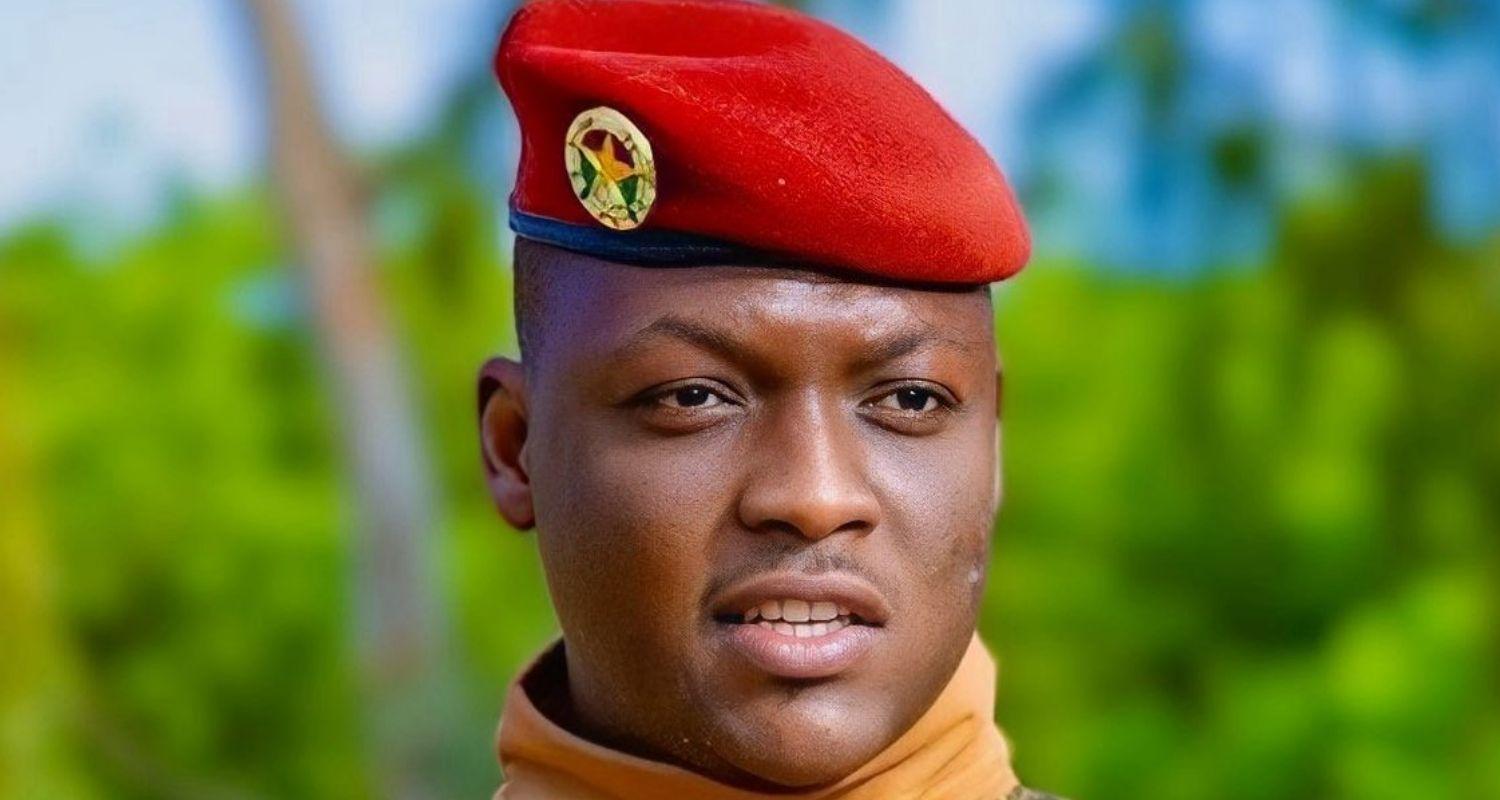
Burkina Faso President Capt Ibrahim Traore.
Burkina Faso has been in the news—for several wrong and a few right reasons. Last month, the country’s military-led government issued a decree dissolving all political parties. This week it was reported that the country hit a record 94 tonnes of national gold production in 2025. At the centre of these developments is 37-year-old Junta leader Captain Ibrahim Traore—as controversial as significant, as polarising as instrumental. So what exactly is unfolding in Burkina Faso? The political assessment of the nation depends on who is being asked.
Since 2022, the nation has been under military rule. The army seized control in two coups, in a bid to combat the jihadist insurgency from the neighbouring Mali. The landlocked West African country has been under the rule of Capt Ibrahim Traore, who seized power in September 2022, after ousting his predecessor Lt Col Damiba who had in turn seized power in a coup in January 2022. Within a month of taking control, Traore was officially appointed president and soon after that, the military-government forced all political parties to suspend activities, including holding rallies. In its defence, the Burkinabe government claims that the political parties were not following the codes of conduct established for them.
The same year, French broadcaster Radio France Internationale (RFI) was suspended after being accused of having disseminated a message of intimidation attributed to a “terrorist leader.” Broadcaster France 24 was also suspended. In 2023, the country cut all military relations with France. But pulling away from its former colonial power, kicking out French troops and diplomats, suspending French media hasn’t been the only geopolitical development that has unfolded in the region. The country has moved onto developing close ties with Russia, even as it struggles to contain armed and active groups al-Qaeda and ISIL (ISIS). Which is why, it is not just Europe but even the US that remains seriously concerned about the long-term security repercussions posed by the region.
Traore is not new to criticism for suppressing dissent and tightening control. Before the coup, the country had more than 100 registered political parties, with 15 represented in parliament after the 2020 general election. As a part of its continuing crackdown on dissent, in 2024, the government ordered internet service providers to suspend access to BBC, Voice of America and Human Rights Watch. In July, last year, the Traore-led government also dissolved the Independent National Election Commission, claiming the agency was too expensive. The state-run RTB TV reported that the interior ministry will handle elections in the future.
Aso read: Burkina Faso’s military dissolves all political parties
However, Traore’s core political fan base remains unaffected by these developments; highly appreciative by his anti-colonial and anti-imperial statements often disseminated through AI-generated videos. They draw widespread applause and loyal support from the masses, who believe the deepfake messages, showing world leaders and celebrities praising Traore, to be true. A few AI monitoring bodies have expressed concerns about the cluster of deepfake videos seemingly contributing to a wider pro junta sentiment and disinformation campaigns.
Traore’s hold goes beyond the boundaries of his own country and extends to neighbouring Mali and Niger, with military leaders in both following his blueprint. Burkina Faso, along with Mali and Niger withdrew from ECOWAS to form the Alliance of Sahel States in 2023. Last year in September, the trio of West African nations also withdrew from the International Criminal Court (ICC), branding the international body as “neo colonial imperialist tool” in a joint statement. The military rulers from all three nations have collectively ended free trade in the region and imposed a tariff of 0.5 per cent on goods coming into their country.
Current political and economic state of affairs
The country periodically hits the world headline for its record gold and revived strawberry production. Recently, the Burkinabe government created a holding company that brings together five state-owned agro companies. The initiative aims at strengthening the country's food sovereignty championed by the state-led movement, Popular Progressive Revolution. As Traore’s hold over the country grows, so does the length and duration of his political innings, which is predicted to be endless in the near future. A month before the 2024 deadline, the Burkinabe government postponed elections to 2029. A decision that was taken after holding a national conference, largely boycotted by most political parties. In 2025, Gen Michael Langley, head of the US military’s Africa command AFRICOM, accused him of using gold reserves for political motives rather than general welfare.
Traore has skillfully built his image as a pan-Africanist leader, who is resolute on freeing his country from the clutches of the West. He has nationalised gold mines previously owned by European listed firms. IMF, despite acknowledging the human rights violations and security threats and crushed dissent, admitted the regime had made commendable progress in raising domestic revenue. His admirers draw a parallel between Traore and Thomas Sankara, the Marxist revolutionary who is referred to as Africa’s Che Guevara. It’s been only three years since Traore assumed power, he is yet to deliver his core mission—reduce the jihadist insurgency. Which is why it’s difficult to say how things will end up for the young captain, but he has shaken things up in West Africa, and become a hero to some, an autocrat to others.
Ibrahim Traore has led Burkina Faso to record gold output, achieving 94 tonnes in 2025, the highest in the country’s history. This turnaround follows a decline due to instability from recent coups, which scared off investors. The government is tightening control over the mining sector, raising profit shares from foreign companies and nationalising five gold mines. Burkinabe ownership will increase with plans for ten new semi-mechanised mines led by local investors in 2026. As gold becomes vital for funding state functions, the new approach aligns with a broader resource nationalism strategy amid challenges from sanctions and security threats.
