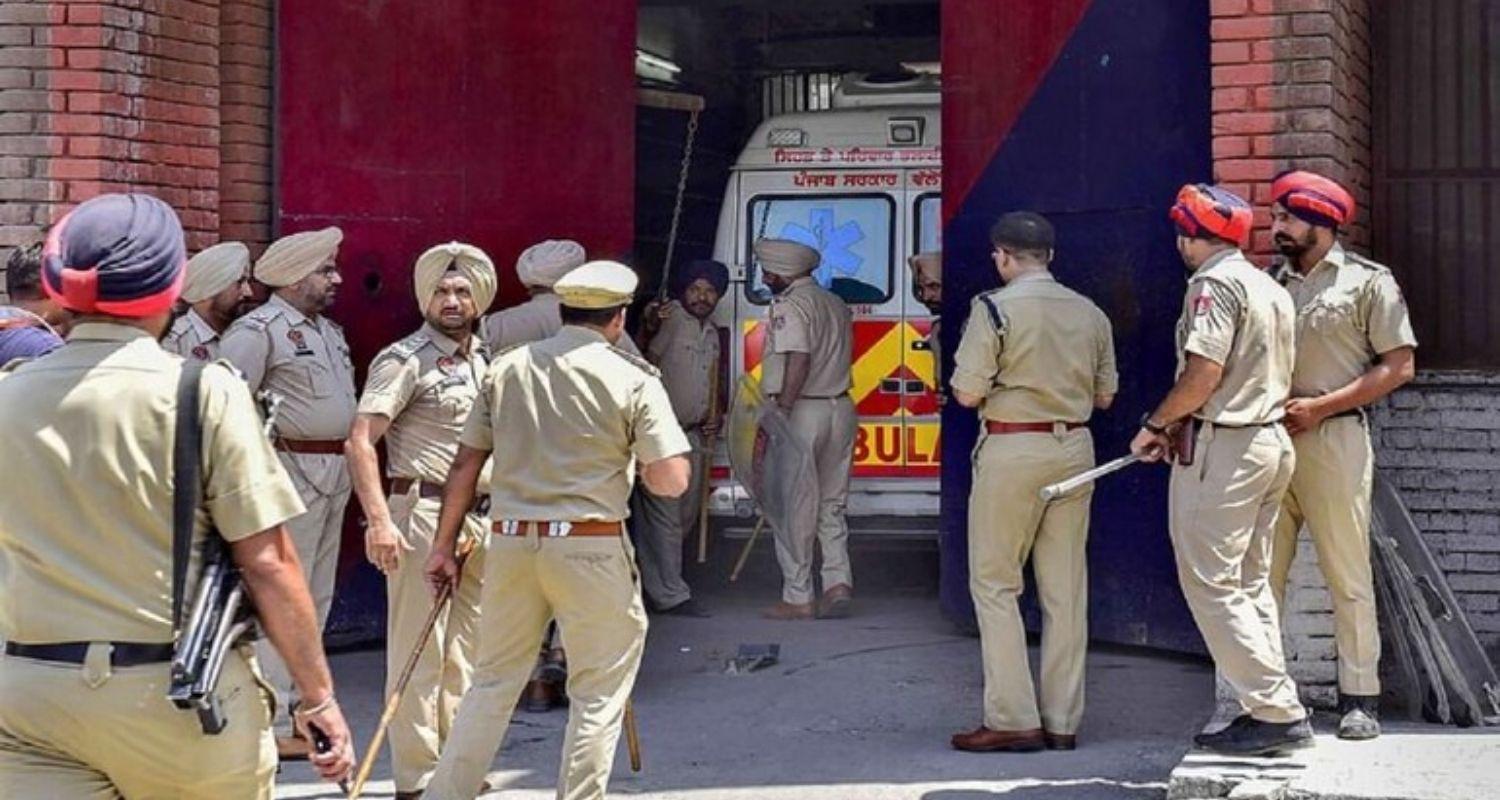
Recently, the president of the Shiromani Akali Dal and former Punjab Deputy Chief Minister, Sukhbir Singh Badal, uploaded an audio clip on his social media handles in which the Senior Superintendent of Police, Patiala, is purportedly issuing directions to his juniors on how to prevent opposition candidates from reaching the venue for filing nomination papers for the Zila Parishad and Block Samiti elections.
The SSP Patiala has denied issuing any such directions, claiming that the audio clip in circulation was allegedly AI-generated. The police also issued a strict warning against circulating the clip, stating that serious action would be taken. In the age of Artificial Intelligence, such things are indeed possible. But there is also a possibility that the audio clip may not be AI-generated and might well be real. That is the subject of inquiry and investigation, which will, of course, take time.
However, what has happened on the ground across the state in these elections. and in other elections held in the past, leaves hardly any doubt about how the ruling party has been misusing the police for its own political ends. But the Aam Aadmi Party is not the first to misuse the police for partisan purposes, nor will it be the last. No matter how much the opposition cries wolf today, both the Congress as well as the Akali Dal do not have a better record when it comes to using the police and official machinery for electoral and other purposes. There may be differences in degree, but all political parties are guilty of having misused the police to intimidate political opponents from time to time.
Just a month ago, the Election Commission of India (ECI) ordered the suspension of the SSP Tarn Taran for violating service rules. The Akali Dal had lodged a complaint against her with the ECI, which investigated the matter and ordered her suspension. Again, she was not the first such officer to have done this. In earlier by-elections, whether during the AAP regime or under its predecessors like the Congress or the Akali Dal, there has never been an exception when it comes to misusing the police against political opponents.
In the process, the police have grown more audacious. While the parties in power use the police for short-term partisan gains, in the long run, not only do they end up at a disadvantage, but the entire system collapses. The police have a particular way of functioning. Once their political bosses make them do one thing “out of the way,” they do ten for themselves. It creates a “mutual interest” between the cop and his political boss, while political opponents and common people suffer.
This is precisely what is happening in Punjab. Since all political parties and most political leaders are equally guilty of encouraging and patronising such cops, the erring police officials become daring and audacious in the safe knowledge that they can switch sides when a new regime comes in. It has been seen that the same “set of officers,” from the SHO to the SSP level, get prime and important postings in almost every regime.
There is no magic about them. It is not that they are far better than others or indispensable for all regimes. They simply have the “knack” of remaining in the “good books” of those in power at any given time. The political bosses become doubly guilty when they turn a blind eye to the officials’ past actions and accommodate such officials for “multiple considerations” that are not difficult to guess.
Political bosses may be using police services to their own advantage everywhere, but in Punjab, it is the worst and most blatant. Police officers here have the audacity to issue directions to their subordinates not only to favour their political bosses but also to intimidate and harass opposition leaders.
Such conduct by police officials belonging to a uniformed and disciplined force deserves not just severe but the harshest punishment. Such cops deserve immediate dismissal. Someone blatantly flouting the law with such impunity, and that too in uniform with sweeping powers, is the worst kind of authoritarianism.
Successive regimes in Punjab have made the police force look like a “mercenary brigade”. Competent officers and other personnel with a high degree of integrity remain mostly sidelined, while those who are ready to go the extra mile in obliging their political masters get prime positions.
While the opposition leaders are crying hoarse right now, even if they come to power after the elections, not much is expected from them either. The “erring cops” take advantage of this mindset and of a system in which political bosses want to use the police for their own purposes instead of public good.
The failure of the policing system in Punjab has already begun showing its symptoms. The rise of criminal gangs, which strike with audacious impunity, is the result of falling professional standards in the police, which were otherwise known for valour, courage and integrity. The Punjab Police is known for having crushed and defeated secessionist militancy. Unfortunately, the current rot in the police is a legacy of the militancy era, when the force operated with complete unaccountability and enjoyed full immunity.
The political establishment in the state must take a call and deal with the issue seriously, strictly and stringently. There must be zero tolerance for partisan, biased acts and abuse of power. Someone needs to take the lead to police the police, before it is too late.

 Follow us