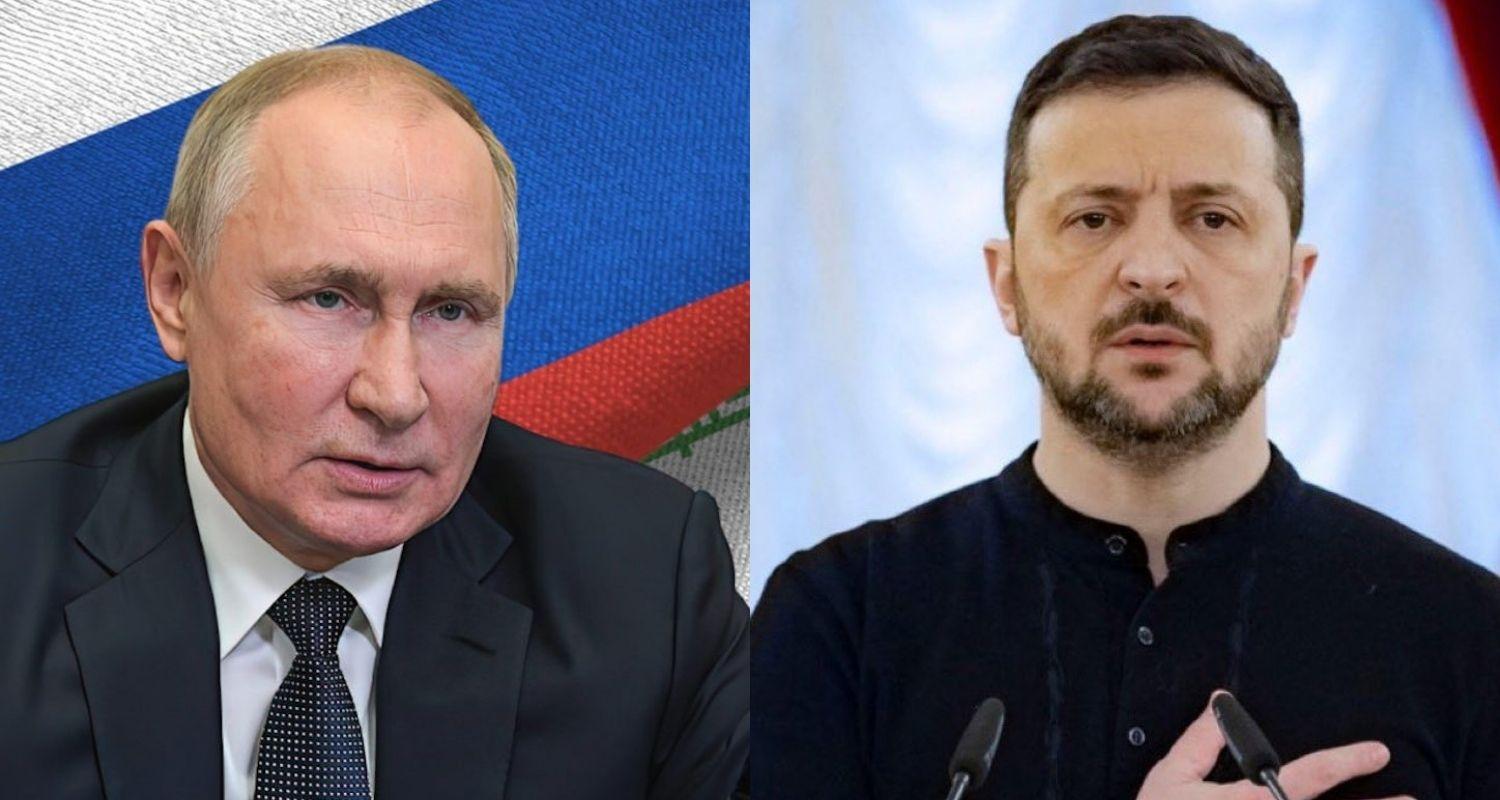
As of December 2025, almost six months after the war in Ukraine was expected to end, it is still ongoing despite the best efforts of US President Donald Trump, who is realistically seeking a ceasefire solution with all his might.
The war, which Russian President Vladimir Putin described as aimed at denazifying Ukraine when it began in 2022, is on the verge of entering its fifth year in 2026, depending on how well the negotiators work to broker a peace deal.
To be honest, there isn’t much hope, as Ukraine and its Western backers have constantly added hurdles in the negotiations. From Ukraine’s point of view, having backers who can provide financial support is all they need; however, financial aid and machines do not win battles; they are won by manpower and raw force.
Ukraine’s falling numbers
In recent battles around Pokrovsk, Kupiansk, Zaporizhzhia and the Sumy region, Ukrainian defence lines collapsed under the unified assault of the Russian Special Forces, flanked by the Chechens and North Korean Special Forces.
Observers and OSINT sources argue that even after trying their best, Ukraine’s numbers are falling, and they are at a disadvantage against Russia's superior numbers and improved technology in weapons. Some believe they are fighting a lost battle and will ultimately fall to Russia.
As of December 2025, Ukraine has lost 46,000 plus soldiers, and its total losses, including the injured, stand at 4,86,000, as documented by Western sources. Whereas Russia, in comparison, has lost 32,000 with 80,000 more injured, totalling 1,12,000 combined, also confirmed by the Western sources.
Despite this, Russia maintains a 1.2 million-strong army with additional supplies from North Korea and thousands of mercenaries. Further, it is impossible, even with the combined strength of NATO, to inflict defeat on Russia without risking a nuclear war.
Failed sanctions
Since 2022, Ukraine’s Western backers, particularly the United States, have exhausted their limits in going after the Russian economy to force Putin to come to the negotiating table. Yet the American leaders admitted that those sanctions were not making any significant impact on Moscow; instead, it got stronger despite being a war economy.
Also read: Ukraine aid stalled, Europe hedges bets on Russia’s frozen assets
Russian President Vladimir Putin has reiterated that Moscow will not come under any pressure to negotiate the peace prospects in Ukraine and warned that if Zelenskyy doesn’t cede territory, Russia will take it by force.
Manpower, mercenaries, economics, and the West's so-called superior technology, combined with international pressure, have failed to deter Moscow from pursuing objectives it believes are necessary for maintaining its sovereignty and the collective security of the Russian population.
Cost of war
Over the past four years, experts have presented a varied account of the money Ukraine and Russia, along with the US and NATO members, have pumped into the Ukraine war.
According to some estimates, the international community pumped 360 billion dollars’ worth of aid to Ukraine, mostly in weapons and defence supplies. With other sources, like the Kiel Institute in Germany, which put the total figure at $430 billion. Russia alone has poured in more than $300 billion since the war began in 2022.
Trump's West problem
President Trump wants to resolve the issue at any cost; however, what he doesn’t realise is the cost of peace in Ukraine is Donbas, Crimea, Zaporizhzhia, recognition of Russian as an official language, reduction of the Ukrainian armed forces, no Western intervention in its affairs, and no induction of Ukraine into NATO, which it has dreamed of for years. These compromises are almost non-negotiable for any self-respecting nation.
Also, Germany, France and the United Kingdom are not in favour of any settlement that would see Ukraine making the above-mentioned compromises, leaving Zelenskyy facing a tough decision after Trump threatened to forfeit all support to the country.
Trump cares more about his image as a peacetime president than anything else; his obsession is intense. He has repeatedly claimed to have ended eight wars in ten months, and is possibly on the verge of ending Rwanda and Congo’s decades-long hostilities and the Sudan crisis in the coming months.
What's the solution?
For Ukraine, the US-backed peace proposal poses a tough choice for negotiating teams headed by Rustem Umerov. For peace to prevail, Ukraine has to convince its backers and, on top of that, convince its population to surrender what Russia demands and what the US proposes.
Meanwhile, Russia has to understand that for a self-respecting and proud nation, such terms are almost like signing a death warrant, ceding territory to the enemy, while the fighting continues.
For the United States administration, it would also need to understand that making peace at the expense of hundreds of thousands of lives lost on both sides has to be respectful and acceptable; forcing decisions could lead to chaos in Ukraine if they do it with the surrender of the land.
After all the bloodshed, humanitarian crises and losses, it is never too late to make peace. Benjamin Franklin, who witnessed more bloodshed and war in life than anyone, once said, “There was never a good war or a bad peace.” This, pretty much sums up the cost of war and the toll it takes on human life.
By Waseem Ahmad Ganie

 Follow us