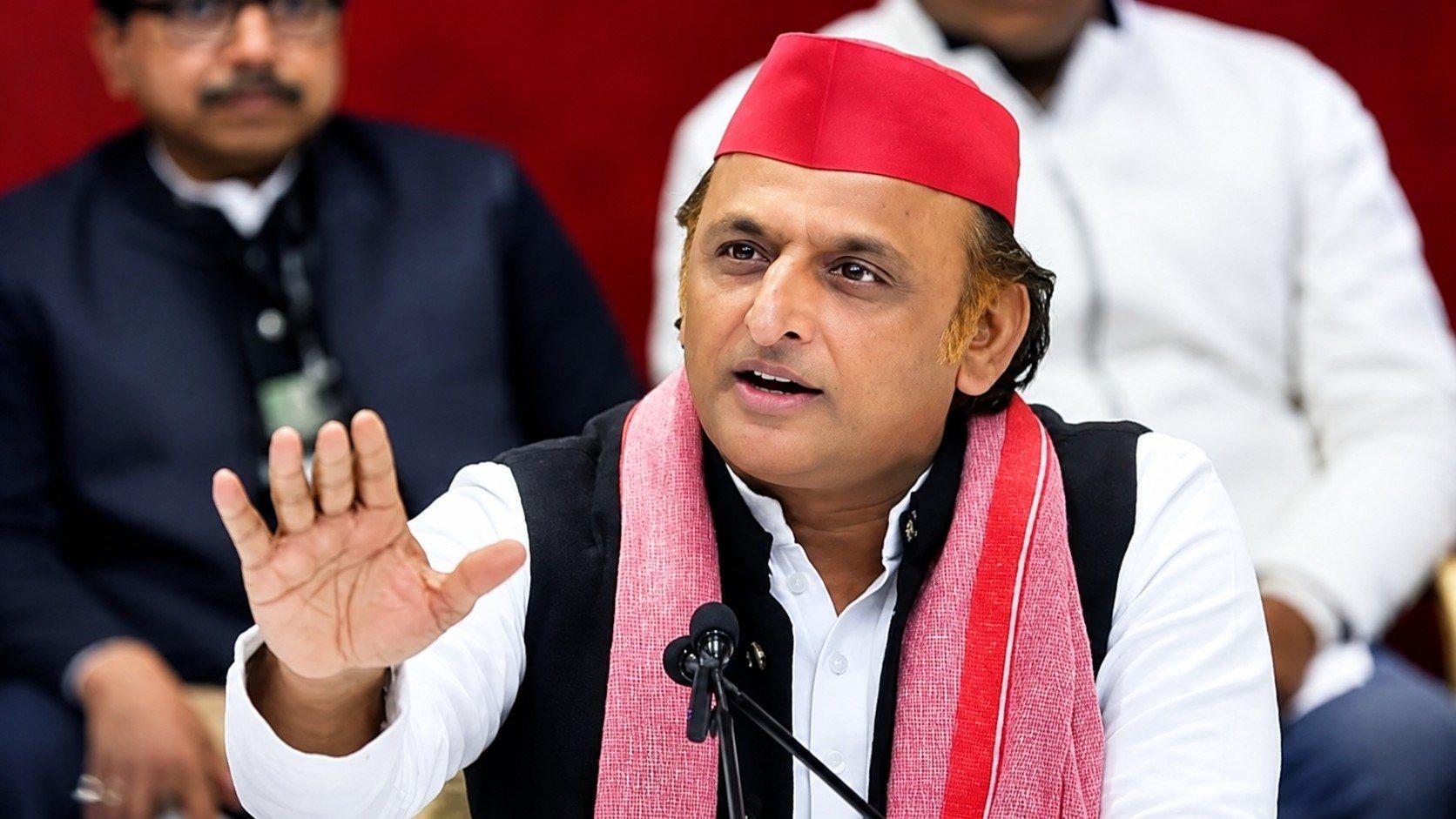
Samajwadi Party president Akhilesh Yadav has given a fresh interpretation to Uttar Pradesh Chief Minister Yogi Adityanath’s repeated “80-20” election formulation ahead of the 2027 Assembly elections.
In a post on X on Tuesday, Akhilesh said the phrase would actually indicate that the BJP-led alliance would be in a position to contest at most 80 seats, while the PDA alliance would prove to be “20 against the NDA”. He was referring to the Hindi expression “Bees sabit hona”.
Adityanath had reiterated the “80 versus 20” prediction at an event in October following the Rajya Sabha elections. He said the outcome of those elections had established the direction of the 2027 Assembly contest.
“The 80 versus 20 fight has returned. Eighty per cent is with the NDA, and 20 per cent with the PDA, and what is going to happen to the PDA will again be before you,” the Chief Minister had said. He also posted the same formulation on X on October 7, 2026.
The PDA expression was coined by Akhilesh and refers to Pichhda (backward classes), Dalits and Alpsankhyak (minorities).
Political activity has intensified in Uttar Pradesh as the BJP and the SP prepare for a major contest in the 2027 Assembly elections. The state has 403 Assembly seats, while the Congress is also seeking to increase its political presence in Uttar Pradesh.
Akhilesh makes Ayodhya promise
In another post on X on Monday, the SP chief promised to develop Ayodhya as a “global capital for Sanatan pilgrimage” if his party returns to power in the state.
His proposals included transparent management of the Ram Mandir, world-class infrastructure, steps to revive the local economy and a detailed investigation into alleged irregularities in land transactions in the temple town.
Akhilesh said the number of devotees and pilgrims visiting Ayodhya had been declining steadily. He alleged that public distress over the alleged “theft” linked to the Ram Mandir had affected the local economy.
He said the Samajwadi Party would work to restore Ayodhya’s honour and dignity, rebuild public trust through a transparent temple-management system and revitalise the city through improved infrastructure.

 Follow us