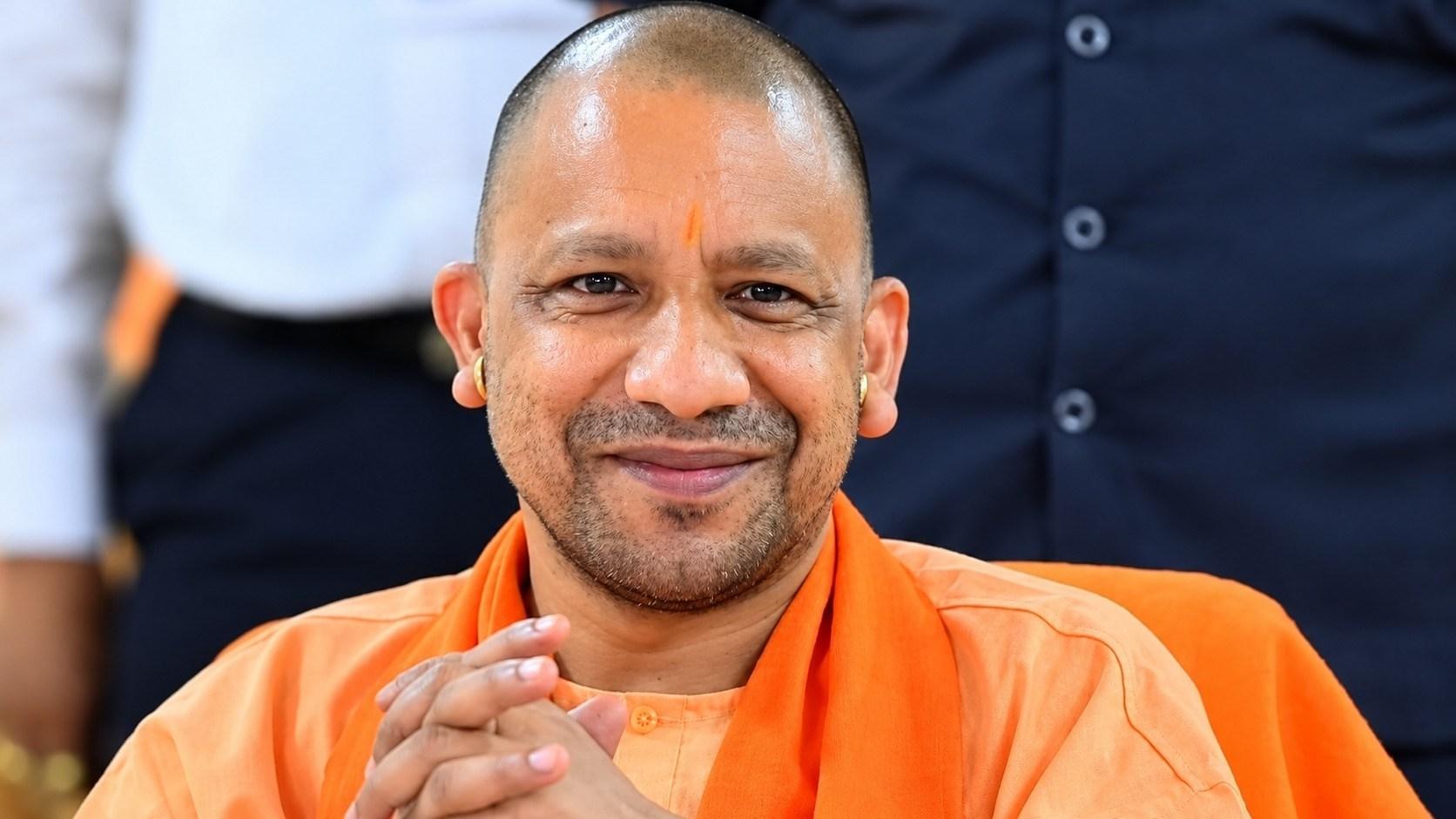
The Independent Commission on SIR has asked Uttar Pradesh Chief Minister Yogi Adityanath to provide evidence and supporting data for his claim that 1.27 crore Hindu voters were excluded from the state's electoral rolls during the Election Commission of India's Special Intensive Revision (SIR) exercise.
In a letter dated November 21, the commission said the Chief Minister's statement falls directly within its mandate to examine whether eligible voters were improperly removed from the electoral lists. It has sought substantive information on any shortcomings in the methodology used during the revision that may have led to the alleged deletions.
The panel said it would examine the material independently and impartially before preparing its final findings. It also stressed that the matter required an early response because of concerns over the possible loss of voting rights for millions of electors and the approaching 2027 Uttar Pradesh Assembly elections.
“The Commission is working with a tight timeline and would appreciate if the necessary material is provided at the earliest,” the letter said.
The commission's work covers not only the constitutional and legal validity of the SIR exercise, but also its implementation method and effect on eligible voters and the final electoral rolls. Its inquiry follows concerns over alleged differences between Uttar Pradesh's panchayat electoral rolls and the Election Commission's Assembly electoral rolls.
Adityanath had claimed that 1.27 crore Hindu voters listed in the state's panchayat rolls were absent from the Election Commission's electoral rolls after the SIR exercise. He had also referred to 66 lakh allegedly missing voters, including 55 lakh Hindu beneficiaries of government welfare schemes and around 4.5 lakh voters aged between 18 and 19 years.
The Chief Minister had questioned how the names disappeared from the electoral records and who was responsible for the alleged discrepancy.
Religious classification of voters has become a central issue in the dispute. Uttar Pradesh Chief Electoral Officer Navdeep Rinwa clarified on November 17 that the Election Commission does not maintain voter information according to religion or caste.
Rinwa said the electoral database records details including names, age, gender, house numbers and family-related information, but does not include voters' religious or caste identities. He added that any religious analysis prepared by media organisations or independent analysts should not be considered official Election Commission data.
Commission members and mandate
The Independent Commission on SIR is chaired by Justice Madan B Lokur, a former judge of the Supreme Court of India. Its members are Justice AK Patnaik, former Supreme Court judge; Justice Badar Durrez Ahmad, former Chief Justice of the Jammu and Kashmir High Court; Justice Rekha Sharma, former judge of the Delhi High Court; and Justice Anjana Prakash, former judge of the Patna High Court.
The civil society panel was proposed by the Lawyers' Association for Constitution to examine concerns relating to the design, implementation and wider impact of the SIR exercise. It has said its assessment will be based on public hearings, empirical and field research, and other verifiable material.
Electoral roll timeline
The SIR exercise in Uttar Pradesh began on October 27, 2025, while the revised final electoral rolls were published on April 10, 2026. The state's electorate fell from approximately 15.44 crore before the exercise to around 13.39 crore after the revision.
The Election Commission subsequently published the draft electoral rolls under the Special Summary Revision process on November 17, 2026. The draft list contained 13,58,68,905 electors, comprising 7,38,58,510 men, 6,20,06,353 women and 4,042 third-gender voters.
The draft roll represented a net increase of 18,84,113 electors compared with the final roll issued after the SIR in April.
Claims and objections on the draft electoral rolls will be accepted until December 16, 2026. Eligible citizens may seek inclusion, deletion or correction of entries through Forms 6, 7 and 8, respectively. The final electoral roll is scheduled to be published on January 4, 2027.

 Follow us