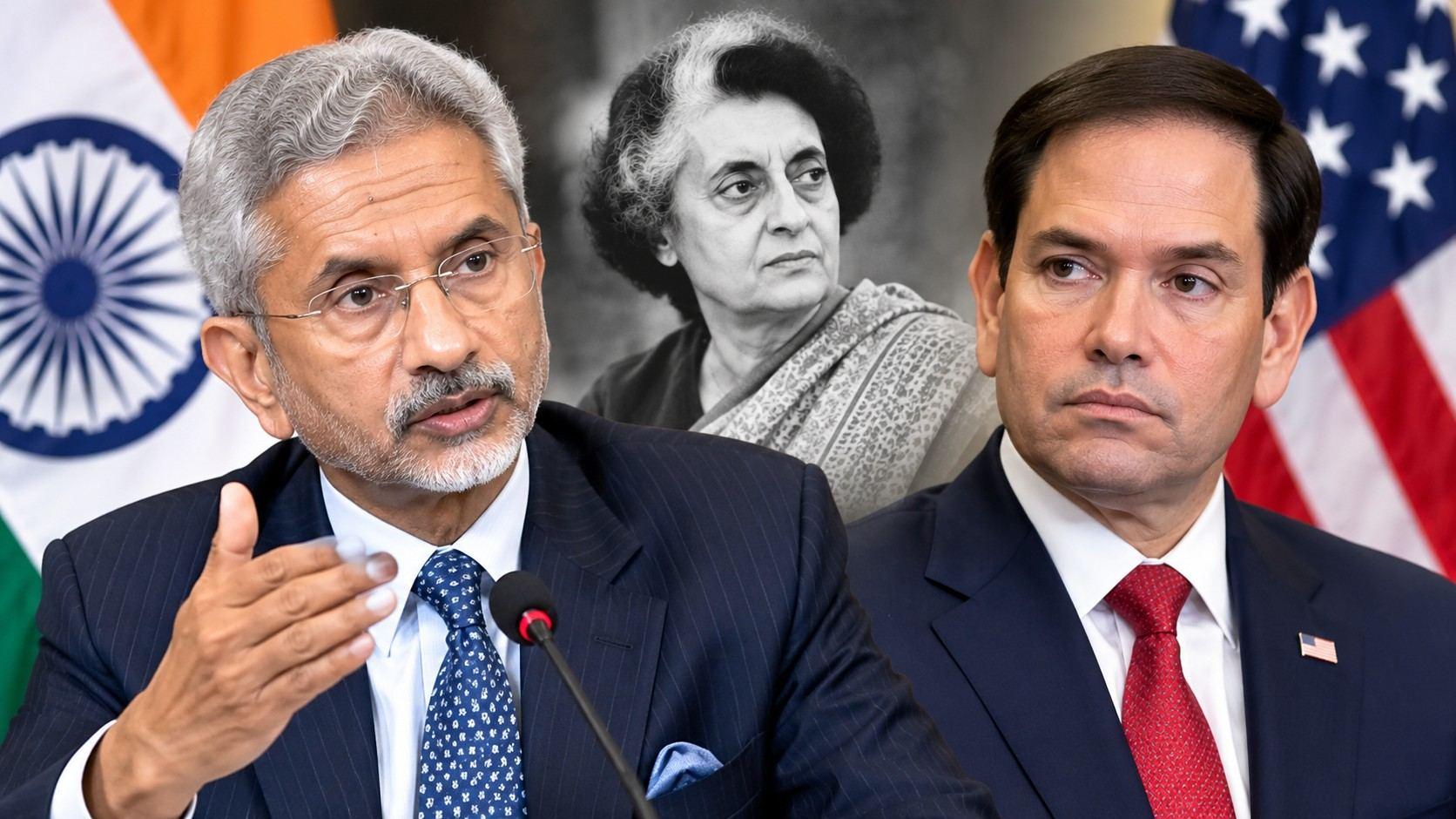
External Affairs Minister S Jaishankar has questioned the criticism of his meeting with US Secretary of State Marco Rubio in Mumbai, rejecting the suggestion that the interaction amounted to a “summons”.
Speaking at a summit on Thursday, Jaishankar said he did not understand the objections to either the meeting or the choice of Mumbai as its venue. He described Mumbai as India’s financial and Bollywood capital and questioned why there was any reservation about holding the interaction there.
“I failed to get it,” Jaishankar said, while asking why there was criticism of Mumbai. He added that the city had “so much going for it” and said he had no idea why there was such a reservation.
Jaishankar’s remarks came after Congress leader Rahul Gandhi described the Mumbai visit as a “summoning”. In a post on X on October 16, Gandhi said US Secretary of State Marco Rubio had “summoned his employee to Mumbai” and claimed that officials in the Ministry of External Affairs were confused about the development.
Reference to Indira Gandhi’s Shimla meeting
Jaishankar said travelling outside New Delhi to meet a foreign leader or counterpart was not unusual. To support his argument, he referred to former Prime Minister Indira Gandhi’s meeting with Pakistan’s Zulfikar Ali Bhutto in Shimla in 1972, where the two leaders signed the Shimla Agreement.
“If going out of Delhi to meet a foreign leader or a foreign counterpart is summoning, I can give you a lot of examples,” Jaishankar said, asking whether Indira Gandhi had been “summoned” when she went to Shimla to meet Bhutto.
The minister, who is 71, also referred to former External Affairs Minister Salman Khurshid hosting a lunch for Pakistan Prime Minister Raja Pervez Ashraf in Jaipur. He questioned whether Khurshid had likewise been summoned for travelling to another city to meet the Pakistani leader.
Jaishankar reiterated that meetings held outside the national capital should not automatically be interpreted as evidence that a leader had been called in by the other side. He said the examples from India’s political history showed that such engagements were not unprecedented.

 Follow us