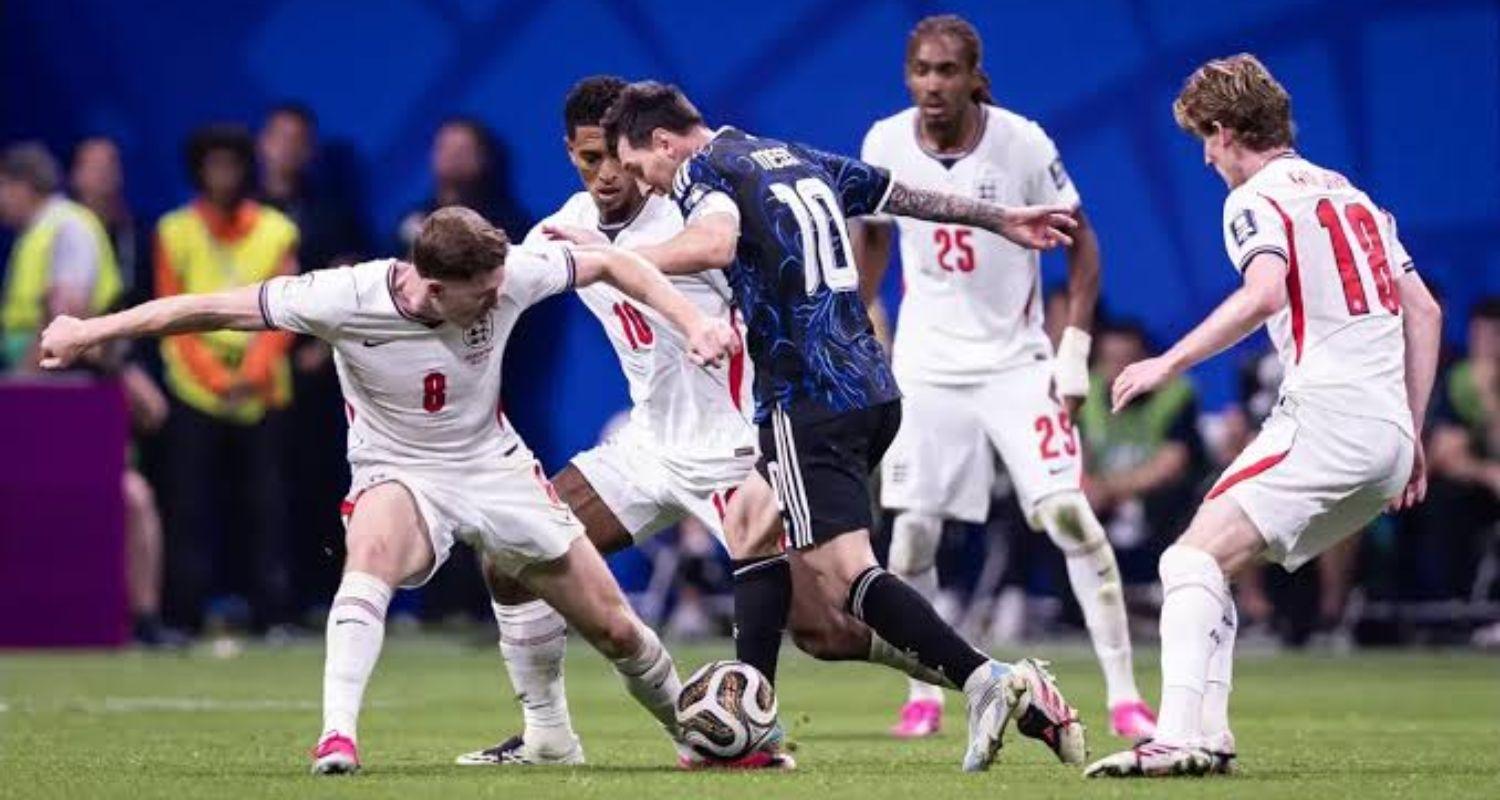
England's dream of reaching their first FIFA World Cup final since their historic triumph on home soil in 1966 came to a heartbreaking end as Argentina fought back to register a 2-1 victory in a gripping semifinal. For Gareth Southgate's successors, the wait for a second appearance in football's biggest match continues, extending a drought that has now lasted six decades.
Ironically, England had done the hard part. They took the lead early in the second half and looked well placed to end Argentina's title ambitions. Until then, they had matched the South Americans stride for stride, pressing aggressively, moving the ball with confidence and denying Argentina the space they thrive upon.
However, the turning point came immediately after England went ahead. Rather than pushing for a second goal, they retreated into a defensive shell, inviting Argentina to dominate possession. It was a tactical shift that proved costly. Instead of dictating the tempo, England surrendered the initiative, allowing Argentina to grow in confidence with every passing minute.
Against a side renowned for its ability to control big knockout matches, sitting back was always going to be a dangerous strategy. Argentina needed no second invitation. Their midfield gradually took charge, stretching England's defensive lines before finding the openings that eventually produced two decisive goals.
The South Americans once again demonstrated why they remain one of football's greatest tournament teams. They never panicked after conceding, trusted their passing game and patiently waited for England to crack under sustained pressure. It was the composure of a team accustomed to playing—and winning—on the biggest stage.
Also read: Argentina to face undefeated Spain in FIFA world cup final
England, by contrast, looked caught between attack and defence. Once they abandoned their proactive approach, they struggled to regain momentum. Their forwards became increasingly isolated, possession became difficult to retain and the pressure mounted relentlessly. Instead of asking questions of Argentina's defence, England spent most of the closing stages protecting a slender lead that ultimately slipped away.
The defeat will inevitably trigger questions over England's game management. Modern knockout football rarely rewards teams that attempt to defend a one-goal advantage for an entire half, especially against elite opposition. Argentina exploited that caution to perfection.
Despite the disappointment, England can take pride in an impressive World Cup campaign. Victories over Mexico and Norway showcased a talented young squad capable of challenging the world's best. Yet this semifinal exposed the final hurdle they must overcome—the courage to keep attacking even when holding a lead.
Argentina now move into the final against Spain carrying tremendous momentum and the belief that comes from surviving another high-pressure knockout encounter. They were not necessarily the better side for the entire match, but they were unquestionably the smarter one. In World Cup football, that difference often separates finalists from those left wondering what might have been.
BY JOE WILLIAMS

 Follow us