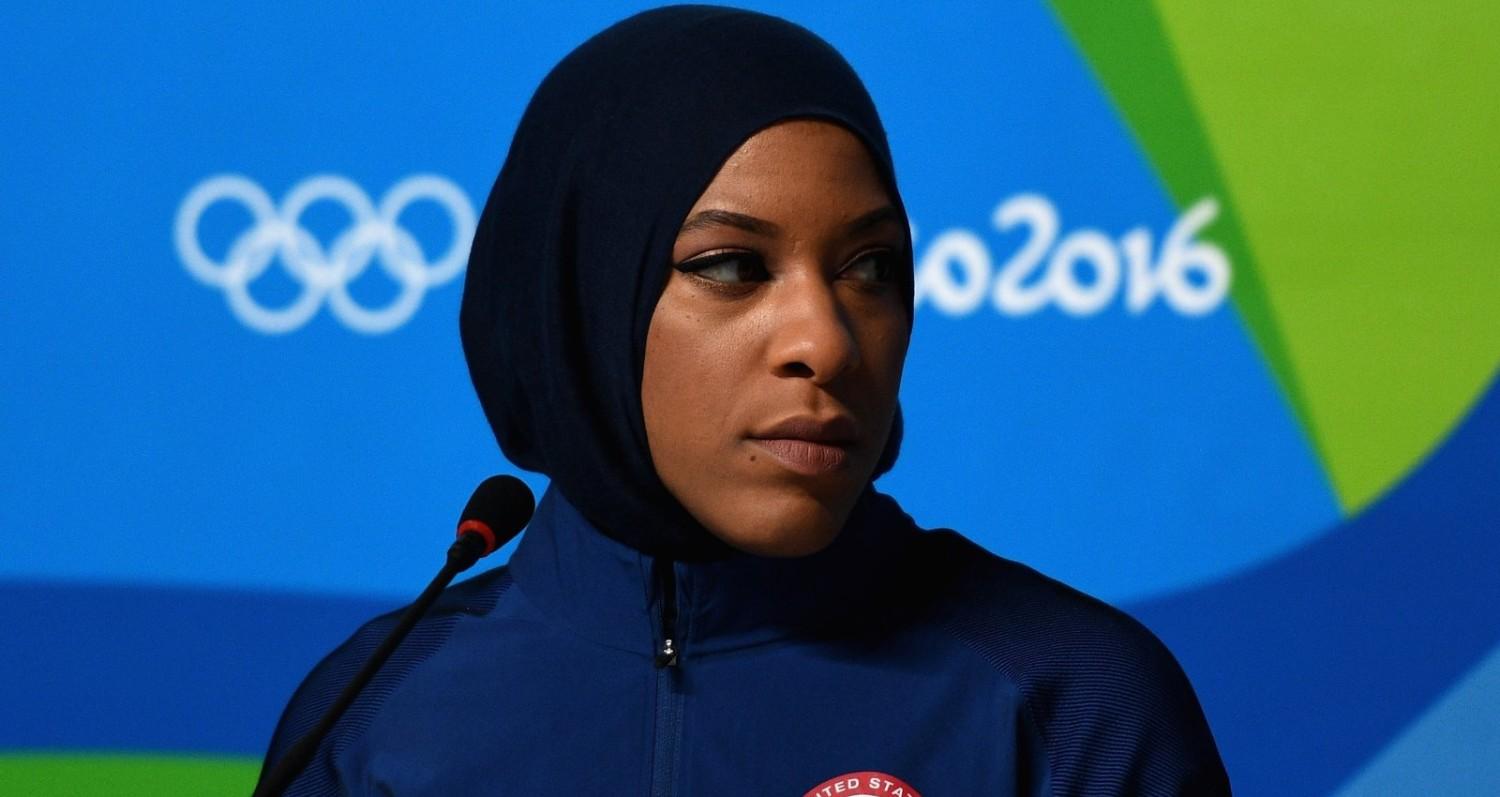
The ban on wearing the hijab in various sports in France has led to a difficult situation in which the host country of the Olympic Games is not meeting its obligations under international human rights treaties and the values outlined in the IOC’s human rights framework.
France has prohibited female athletes from wearing the hijab while participating in the upcoming Olympics and Paralympics in Paris, prompting criticism from human rights organisations who view it as a form of "racist gender discrimination".
Existing bans on wearing the hijab are already enforced in multiple domestic sports codes in France.
Amnesty International has labelled the hijab ban as a violation of international human rights law, pointing out that it exposes France's discriminatory policies and highlights the inadequacy of the International Olympic Committee's response to the issue.
Amnesty International has expressed its disapproval through a 32-page report detailing the consequences of prohibiting the hijab for Muslim women and girls in French sports.
Research revealed that out of 38 European countries, only France has implemented a ban on religious headwear in sports. French national team athletes are considered public servants and are required to adhere to principles of secularism and neutrality.
Amnesty International argues that this does not justify imposing restrictions on freedom of expression and religion.
Following the announcement of France's plan to enforce a hijab ban for its athletes at the Olympics, the United Nations also condemned the decision. A spokesperson stated, “No one should impose on a woman what she needs to wear or not wear.”



 Follow us