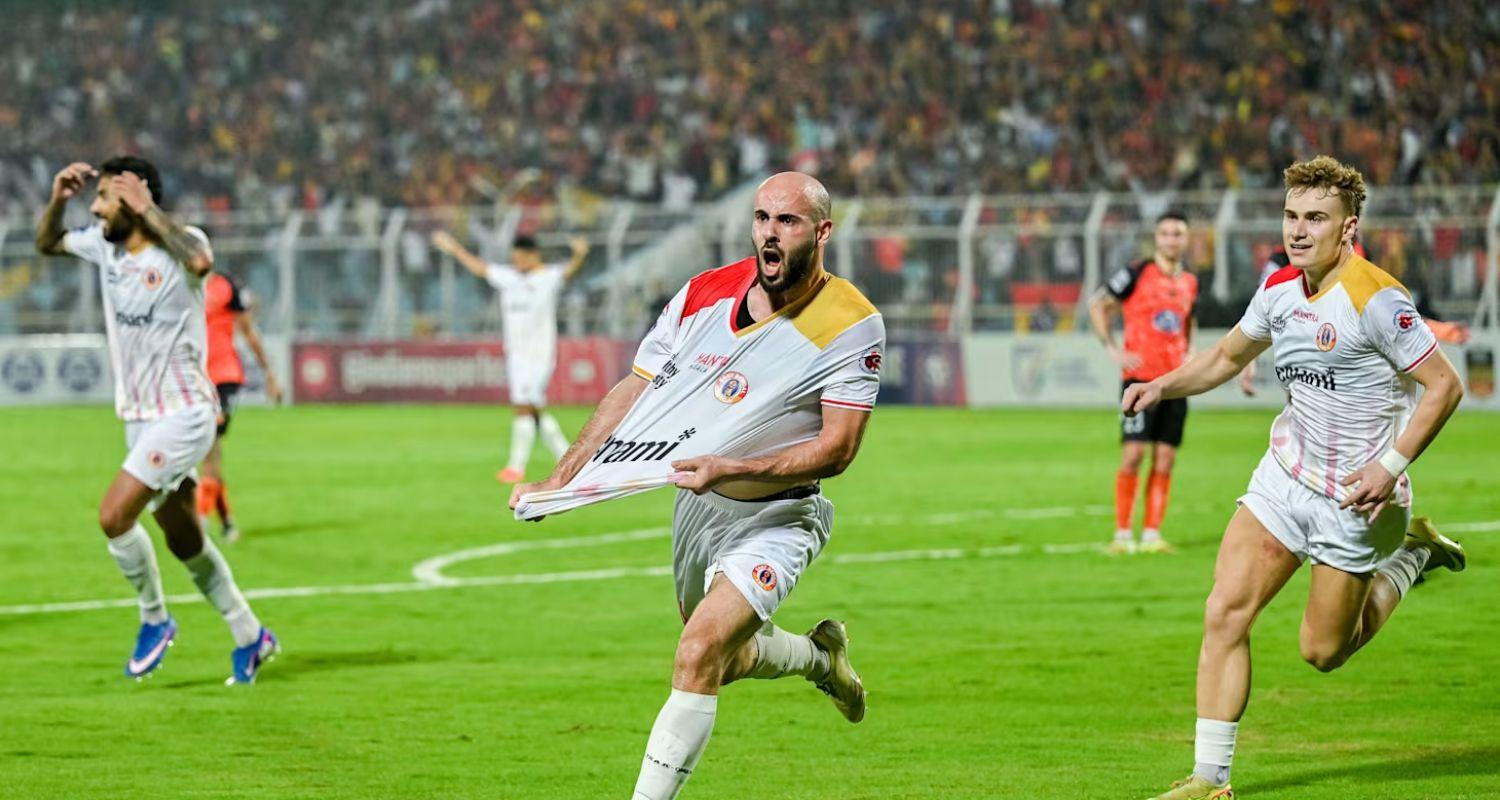
The wait in Indian football has often stretched across decades, making every title-winning moment feel even more emotional and unforgettable. For clubs with rich legacies and passionate fan bases, success has rarely come easy, but that is exactly what makes the celebrations so special.
For East Bengal FC, the recent triumph after 22 years was more than just silverware: it was the end of a painful journey filled with heartbreak, near misses and fading hopes. Generations of fans had waited endlessly to witness their beloved Red and Gold brigade rise again. When glory finally arrived, tears replaced frustration and the celebrations carried the emotions of two long decades.
Indian football has witnessed several such stories over the years. Mohammedan Sporting Club endured years away from the top spotlight before making a powerful return to national relevance. Bengaluru FC may have found quicker success in modern football, but clubs like Punjab FC and Churchill Brothers SC also experienced long periods of rebuilding before tasting success again.
Also read: East Bengal end 22-year title drought with maiden ISL crown
In Goa, Dempo SC and Salgaocar FC once dominated Indian football, but later watched newer clubs take centre stage, leaving their loyal supporters longing for a return to former glory. In Kerala, fans of Gokulam Kerala FC waited patiently before finally seeing their club emerge as a major force in Indian football.
Then there are clubs like Mohun Bagan Super Giant, whose legacy has always carried expectations of trophies. Yet even they have experienced phases where fans wondered when the next great chapter would arrive.
That is the beauty of Indian football. Success is rarely instant, and supporters stay loyal despite years of disappointment. The chants continue, stadiums remain packed and hope never truly fades. The longer the wait, the sweeter the glory becomes.
For Indian football fans, trophies are not just about victories — they are rewards for patience, loyalty and unwavering belief passed down through generations.
By Joe Williams

 Follow us