The International Cricket Council (ICC) is considering severe sanctions against Pakistan after the nation announced it would not play India in the T20 World Cup on February 15. A high-level meeting has been scheduled within 48 hours to decide Pakistan’s fate, with potential penalties ranging from full suspension from international cricket to freezing its annual ICC revenue.
The Pakistan Cricket Board (PCB), led by Mohsin Naqvi, framed the move as solidarity with Bangladesh, who were removed from the tournament after their request to relocate matches outside India was denied. The PCB declared that while the team would travel to Sri Lanka for the World Cup, it would not take the field against India, creating an unprecedented situation for the biennial tournament.
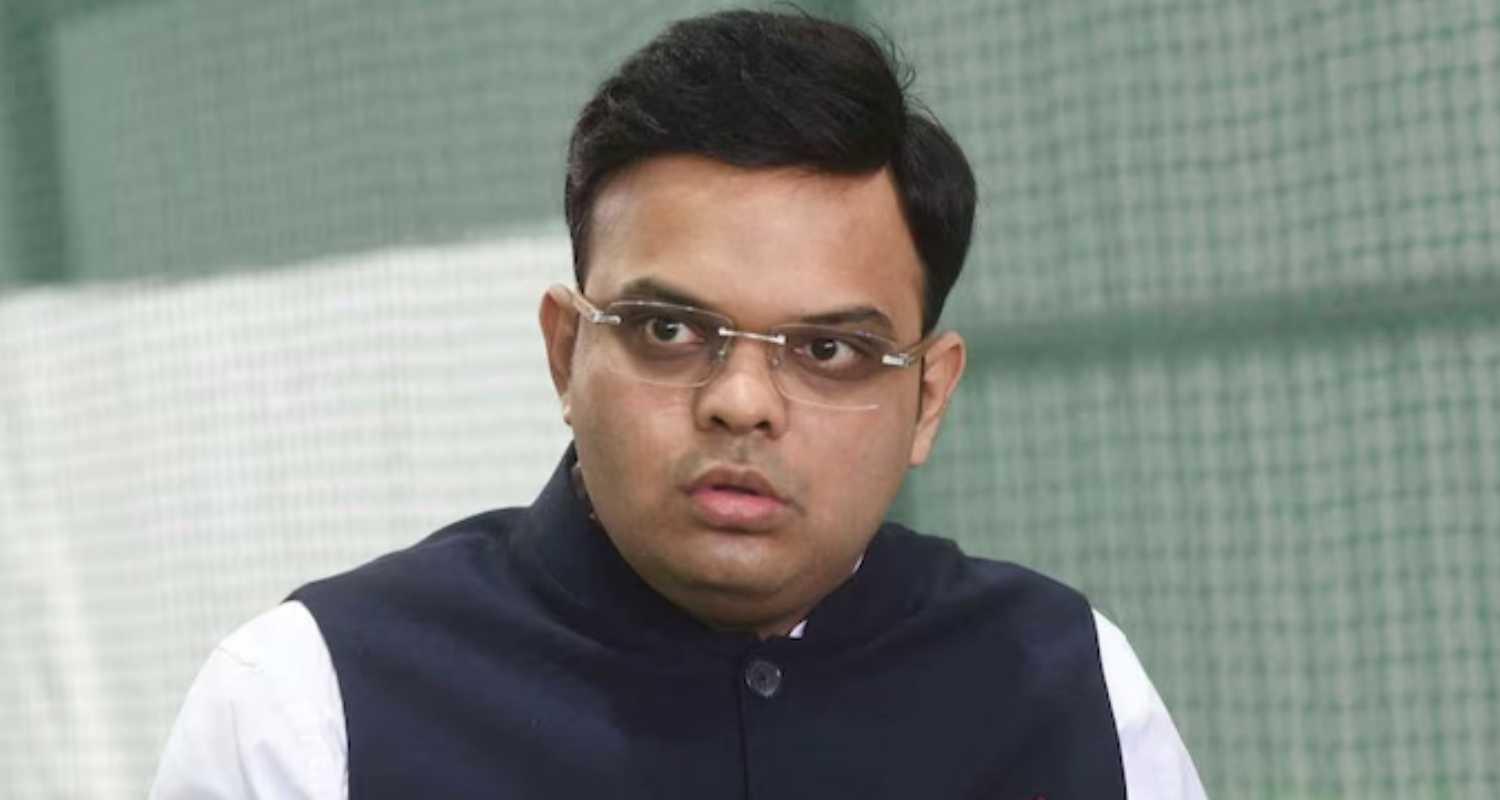
The row has heightened tensions less than two weeks before the World Cup begins. Sources said ICC officials, led by secretary Jay Shah, are exploring all measures to preserve the integrity of the tournament. The governing body has warned Pakistan that non-participation could lead to sanctions similar to those imposed on South Africa in the 1970s, including a potential ban from all international competitions and withholding of ICC approvals for foreign players in the Pakistan Super League.
Also Read: Pakistan to play in T20 WC, but skip game against India
The ICC has also emphasised that tournament revenues could be withheld if Pakistan refuses to participate, with the board’s annual share estimated at $34.5 million. Behind-the-scenes discussions are reportedly underway to resolve the crisis, including diplomatic channels aimed at securing last-minute compliance.
The controversy echoes a long history of geopolitical tensions affecting cricket fixtures. While India has historically faced pressure to boycott matches in Pakistan, the Indian team honoured its 2025 Asia Cup commitments. In contrast, Pakistan’s selective boycott has been widely seen as political posturing, complicating efforts to uphold the tournament’s sporting and commercial integrity.
ICC officials are expected to issue a final directive after their upcoming meeting, with the possibility that Pakistan’s refusal to play India could reshape the World Cup schedule and have far-reaching implications for international cricket governance.

 Follow us