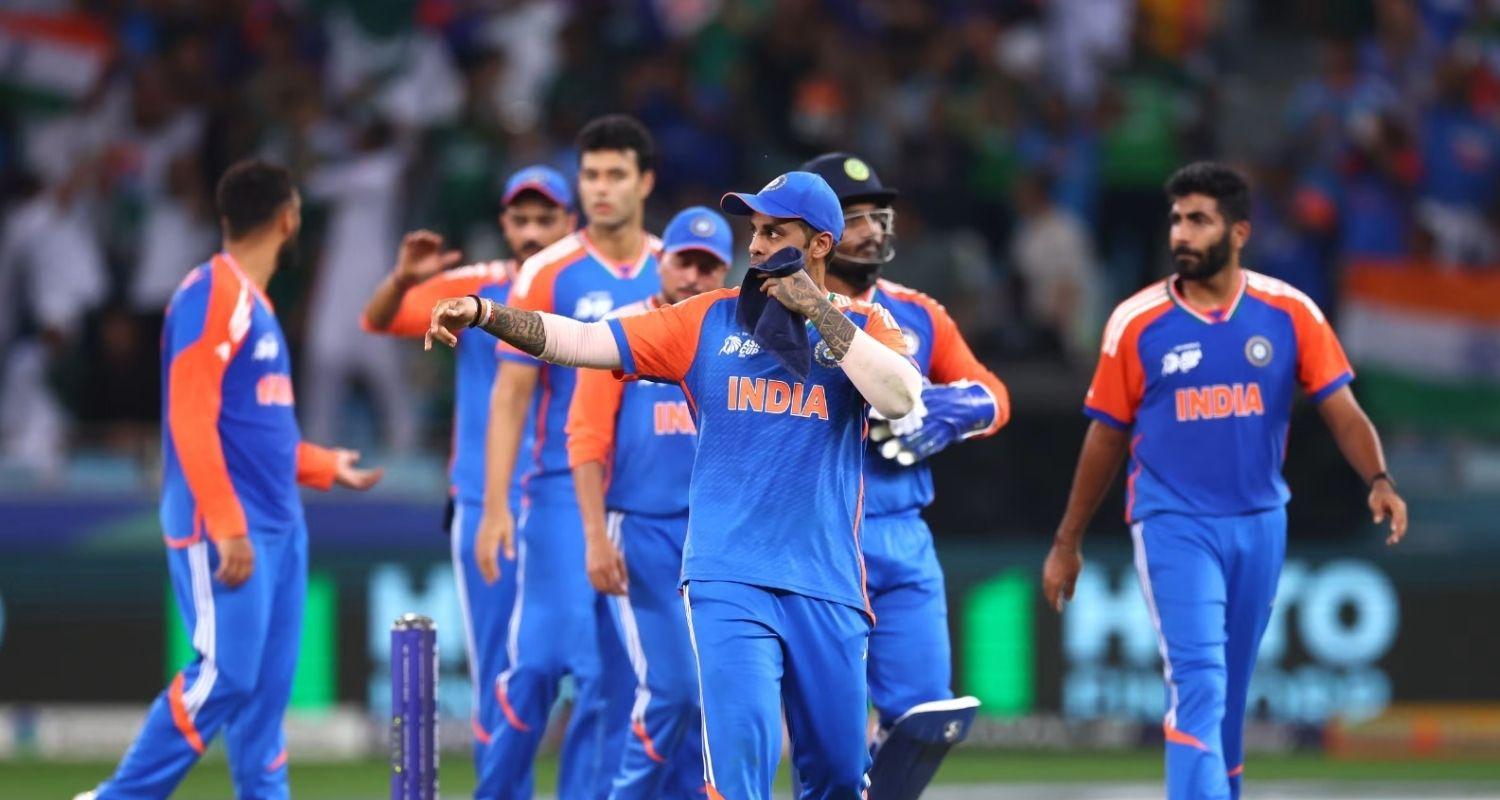
India enter the 2026 T20 World Cup not only as defending champions and co-hosts, but also as a side undergoing a significant tactical transition. The team is being reshaped around a younger, more aggressive core, with an emphasis on flexibility and adaptability rather than rigid, pre-defined roles.
Under captain Suryakumar Yadav, India’s approach is centred on explosive starts at the top, a deep and fearless batting order, and multi-dimensional bowling combinations that can be adjusted to suit different subcontinental conditions. The idea is to keep the opposition under constant pressure, whether with the bat in the powerplay or through varied bowling options in the middle and death overs.
Also read: Fresh faces, new flags: Debutants add colour to T20 World Cup
India’s 15-man squad reflects a clear shift from the anchor-heavy structures of earlier tournaments to a power-hitting, all-rounder-rich setup. The presence of multiple all-rounders — Hardik Pandya, Axar Patel, Shivam Dube and Washington Sundar — provides the team with balance and depth in both departments.
The spin attack, featuring two wrist-spinners in Kuldeep Yadav and Varun Chakravarthy, adds variety and wicket-taking potential in the middle overs, especially on slower surfaces.
At the top of the order, aggressive options like Abhishek Sharma and Sanju Samson give India the firepower to attack from the outset and dictate the tempo of the innings. This combination of youth, versatility and power allows India to bat deep, often down to No. 8 or even No. 9, without compromising on bowling strength.
Such a composition also gives the team management the flexibility to tailor their bowling attacks based on pitch conditions and opposition strengths, ensuring India remain tactically agile throughout the tournament.
By Joe Williams

 Follow us