As the Indian Premier League (IPL) approaches another high-voltage season, the conversation revolves around explosive batters, lethal bowlers and match-winning all-rounders. Yet, in a tournament defined by fine margins, it is the captain—the leader at the helm—who ultimately shapes a team’s journey.
In a league as demanding and dynamic as the IPL, the presence, personality, and decision-making of a captain can be the difference between a side that merely competes and one that lifts the trophy.
Captaincy in the IPL goes far beyond the toss or field placements. It is about setting the tone in a dressing room filled with international stars, young talents and high expectations. A strong leader brings clarity to roles, fosters belief among players, and ensures that individual brilliance translates into collective success. In a format where games can swing within a few deliveries, the captain’s ability to stay calm under pressure often defines the outcome.
The importance of leadership becomes even more pronounced in a season like IPL 2026, where injuries and player unavailability have already forced teams to rethink their combinations. In such scenarios, a captain’s presence provides stability. Whether it is integrating a last-minute replacement or backing an out-of-form player, these decisions require both tactical awareness and emotional intelligence. A confident leader can shield the team from external noise and keep the focus firmly on performance.
Equally crucial is the captain’s influence on match situations. T20 cricket is as much a mental contest as it is a physical one. A well-timed bowling change, a bold field setting, or even a strategic timeout discussion can alter the course of a match. The best captains are those who can read the game a step ahead, anticipate opposition moves, and respond with clarity. Their instincts, often sharpened by experience, become invaluable in crunch moments.
Beyond tactics, a captain also acts as the bridge between the coaching staff and the players. In the IPL, where teams bring together diverse cricketing cultures, maintaining harmony is essential. A respected leader creates an environment where players feel secure, valued, and motivated to perform. This sense of unity often reflects on the field, especially during pressure situations.
For IPL 2026, the leadership group across franchises presents a mix of experience and fresh energy.
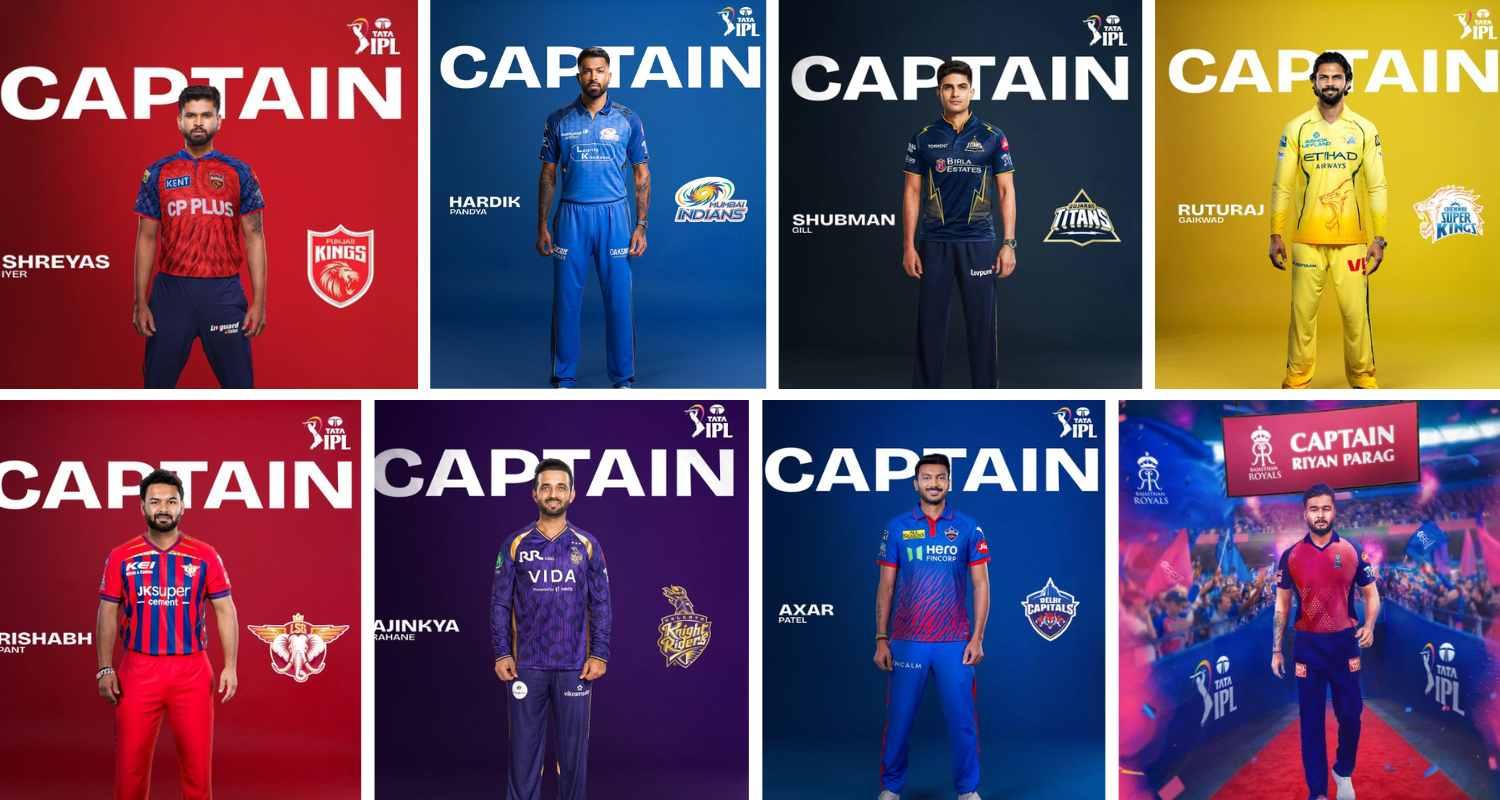
Ruturaj Gaikwad will continue to lead Chennai Super Kings, carrying forward a legacy built on consistency. Ishan Kishan steps into a leadership role in the absence of Pat Cummins, marking a new chapter in his career. Kolkata Knight Riders have persisted with Ajinkya Rahane, banking on his calm and composed approach.
At the Mumbai Indians, Hardik Pandya continues as captain, aiming to translate his past success into results for the franchise. Rishabh Pant will once again lead Lucknow Super Giants, while Shreyas Iyer spearheads Punjab Kings with renewed hope after last season’s impressive run.
Royal Challengers Bengaluru will look to Rajat Patidar to defend their title, while Axar Patel continues to guide Delhi Capitals. Gujarat Titans will be led by Shubman Gill, whose growing stature as a leader adds to the team’s confidence. Meanwhile, Riyan Parag takes charge of Rajasthan Royals as their full-time captain, representing the league’s next generation of leaders.
As IPL 2026 draws closer, the spotlight will inevitably fall on these captains.
While big hits and spectacular wickets will grab headlines, it will be the leadership behind the scenes — the quiet decisions, the calculated risks, and the ability to inspire — that will shape the narrative of the season.
In the end, teams don’t just win on talent alone; they win on belief, direction, and leadership — all of which begin with the captain.

 Follow us