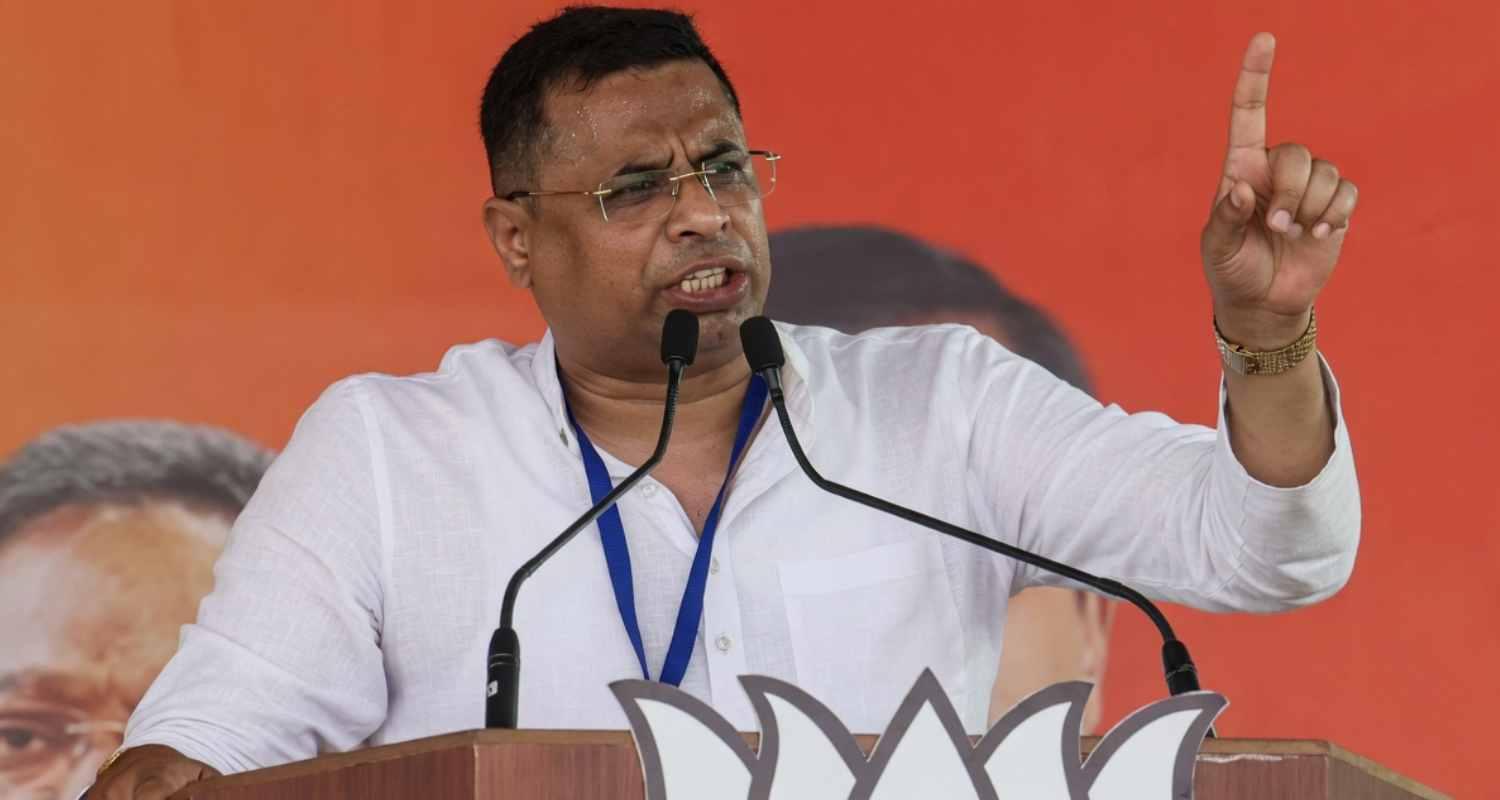
Amid heightened political activity in West Bengal, BJP leader and Bishnupur MP Saumitra Khan has claimed that as many as 18 Trinamool Congress (TMC) MPs are “interested” in joining the saffron camp, triggering fresh debate in the state’s already volatile political landscape.
After a series of organizational meetings in Santiniketan, Birbhum, Khan said the interest from TMC MPs could not materialise immediately due to what he described as a temporary “No Entry” policy within the BJP for new entrants.
“Once restrictions are relaxed, many will come forward. Right now, the party is not inducting anyone,” he said, adding that several senior TMC leaders from Birbhum were also “in line” to switch sides.
The remarks come at a time when reports of internal dissatisfaction within the TMC have been surfacing, with multiple leaders publicly expressing grievances against the party leadership. Political observers note that since the recent electoral shifts in the state of West Bengal, there has been visible churn across party lines.
Khan made these remarks after attending meetings of the BJP’s Bolpur organisational district committee at a private hotel in Santiniketan. The meetings were attended by several party leaders, including MLAs Debashish Ojha (Labpur), Kalita Majhi (Ausgram), Anadi Ghosh (Ketugram), and Shishir Ghosh (Mangalkot), along with district president Shyamapada Mandal.
Earlier in the day, Khan also met officials in Siuri, where he interacted with Superintendent of Police Suryapratap Yadav, thanking him for maintaining law and order in Birbhum.
Referring to post-poll violence, Khan said, “This time, Bengal has not witnessed the kind of incidents seen earlier. Those involved in past violence are now facing consequences of their actions.”
He also commented on internal BJP matters, warning against public criticism within the party. “If anyone speaks against another member through the media, action will be taken. Show-cause notices have already been issued,” he said.
His remarks come against the backdrop of visible tensions within both major parties in the state, with political analysts suggesting that shifting alliances and public statements by leaders indicate an increasingly fluid political environment ahead of future electoral contests.

 Follow us