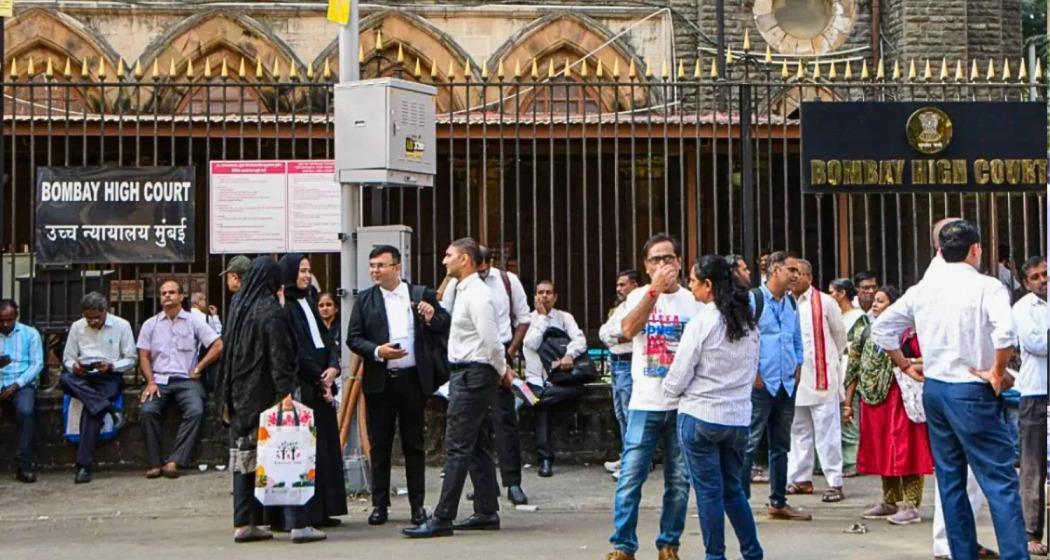
The Bombay High Court on Wednesday discharged four men accused in the 2006 Malegaon serial bomb blasts, quashing all charges against them, including those under anti-terror laws, nearly two decades after the incident that killed 31 people.
A division bench comprising Chief Justice Shree Chandrashekhar and Justice Shyam Chandak allowed appeals filed by the four accused, Rajendra Chaudhary, Dhan Singh, Manohar Ram Singh Narwaria and Lokesh Sharma, challenging a special court order that had framed charges against them.
The accused had been booked under provisions of the Indian Penal Code for murder and criminal conspiracy, as well as under the stringent Unlawful (Activities) Prevention Act. A detailed order from the court is awaited.
The blasts took place on September 8, 2006, in Malegaon town of Maharashtra’s Nashik district, where four bombs exploded, three near Hamidia Masjid and Bada Kabrastan after Friday prayers, and another at Mushawarat Chowk, killing 31 people and injuring over 300.
The investigation into the case has seen multiple turns over the years. The Maharashtra Anti-Terrorism Squad (ATS), which initially probed the case, arrested nine Muslim men and alleged that the conspiracy was hatched earlier that year.
The case was later handed over to the Central Bureau of Investigation, which supported the ATS findings in a supplementary chargesheet.
Also read: Malegaon blast victims challenge Pragya’s acquittal in HC
However, in 2011, the National Investigation Agency took over the probe and presented a different theory, attributing the blasts to right-wing extremists. It subsequently arrested the four men who have now been discharged.
The NIA’s case relied in part on a confession by Swami Aseemanand in another blast case, though he later retracted his statement.
In 2016, a special court discharged the nine Muslim men earlier arrested in the case. The ATS challenged that decision in the High Court, where the appeal remains pending.
In September last year, a special NIA court framed charges against the four accused, prompting them to approach the High Court. In January, the High Court stayed the trial proceedings, noting that a prima facie case for interference was made out.
The accused had argued that the NIA failed to produce credible evidence linking them to the blasts. They were granted bail by the High Court in 2019 after spending over six years in custody without trial.
With the discharge of all accused named in successive investigations, the case raises unresolved questions over accountability for one of Maharashtra’s deadliest terror attacks.
The High Court’s ruling effectively clears the four men of all charges, even as the legal and investigative trajectory of the Malegaon 2006 blasts continues to remain under scrutiny.

 Follow us