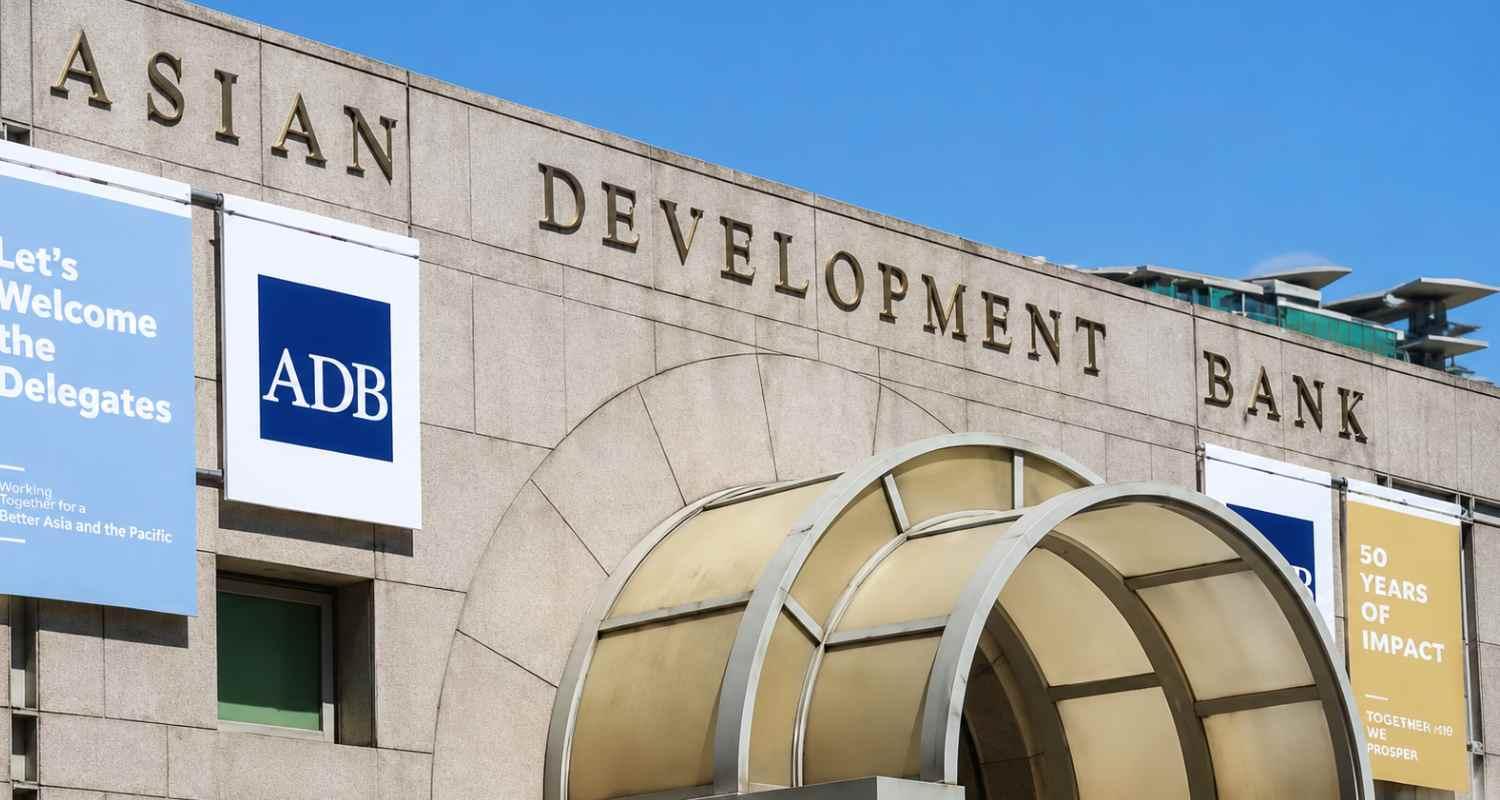
Less than 24 hours after the presentation of the first budget of West Bengal’s new government, senior officials from the Asian Development Bank (ADB) held a high-level meeting with top state authorities at Nabanna on Tuesday, signalling early momentum behind the administration’s industrialisation agenda.
The meeting, attended by Chief Secretary Manoj Agarwal and Chief Minister’s advisor Subrata Gupta, focused on proposals for large-scale financial assistance aimed at building industry-friendly infrastructure in the state. The discussions come in the backdrop of the budget presented on Monday, which outlined an ambitious roadmap for industrial growth and infrastructure development.
According to sources at Nabanna, the state secretariat, ADB has proposed to create multiple ‘City Economic Regions’ (CERs) in West Bengal, in line with a framework developed by NITI Aayog. The concept involves integrating neighbouring districts, industrial clusters, logistics networks, and labour markets into unified economic zones that extend beyond municipal boundaries.
The proposal suggests establishing at least two such CERs in the state, drawing lessons from similar initiatives underway in cities such as Surat, Varanasi, Visakhapatnam, and Bhubaneswar, where the Central government has already allocated Rs 5,000 crore. Among the regions under consideration are a Kolkata Metropolitan CER connecting areas such as Howrah, Hooghly, Uluberia, and Dankuni, a Siliguri-based CER linking North Bengal districts with a focus on IT, healthcare, and agro-processing, a Haldia-Digha port-led industrial zone, and a Durgapur-Asansol cluster aimed at heavy industry and clean manufacturing.
In addition, the ADB has proposed financial support for developing key industrial corridors, including the Kolkata–Dankuni–Durgapur–Asansol manufacturing corridor, the Haldia–Kharagpur industrial belt, and the Siliguri–Jalpaiguri agro-processing corridor. Plans to strengthen logistics infrastructure were also discussed, with proposals to develop Dankuni as a major multi-modal hub, Siliguri as a strategic gateway to the Northeast and neighbouring countries, and Haldia as a maritime trade centre.
Urban transport and environmental concerns also featured in the discussions, particularly with regard to Kolkata. ADB suggested measures to reduce air pollution through expanded use of electric buses, improved mass transit systems, and data-driven infrastructure planning. Proposals were also made for affordable rental housing for workers near industrial hubs, integrating basic services such as healthcare, education, and transport.
Sources further indicated that discussions touched upon the development of heritage and tourism clusters inspired by the Varanasi model, including circuits in North Bengal, the coastal belt of Digha and Mandarmani, the Sundarbans, and a heritage cluster linking Kolkata, Murshidabad, and Bishnupur.
There are also indications of potential future collaborations with multilateral agencies such as the ADB and the World Bank for urban infrastructure projects in North Bengal. One such proposal involves reducing dependence on groundwater in rapidly urbanising areas by utilising river water from sources such as the Teesta, treated through modern systems and supplied through smart, pressurised distribution networks.

 Follow us