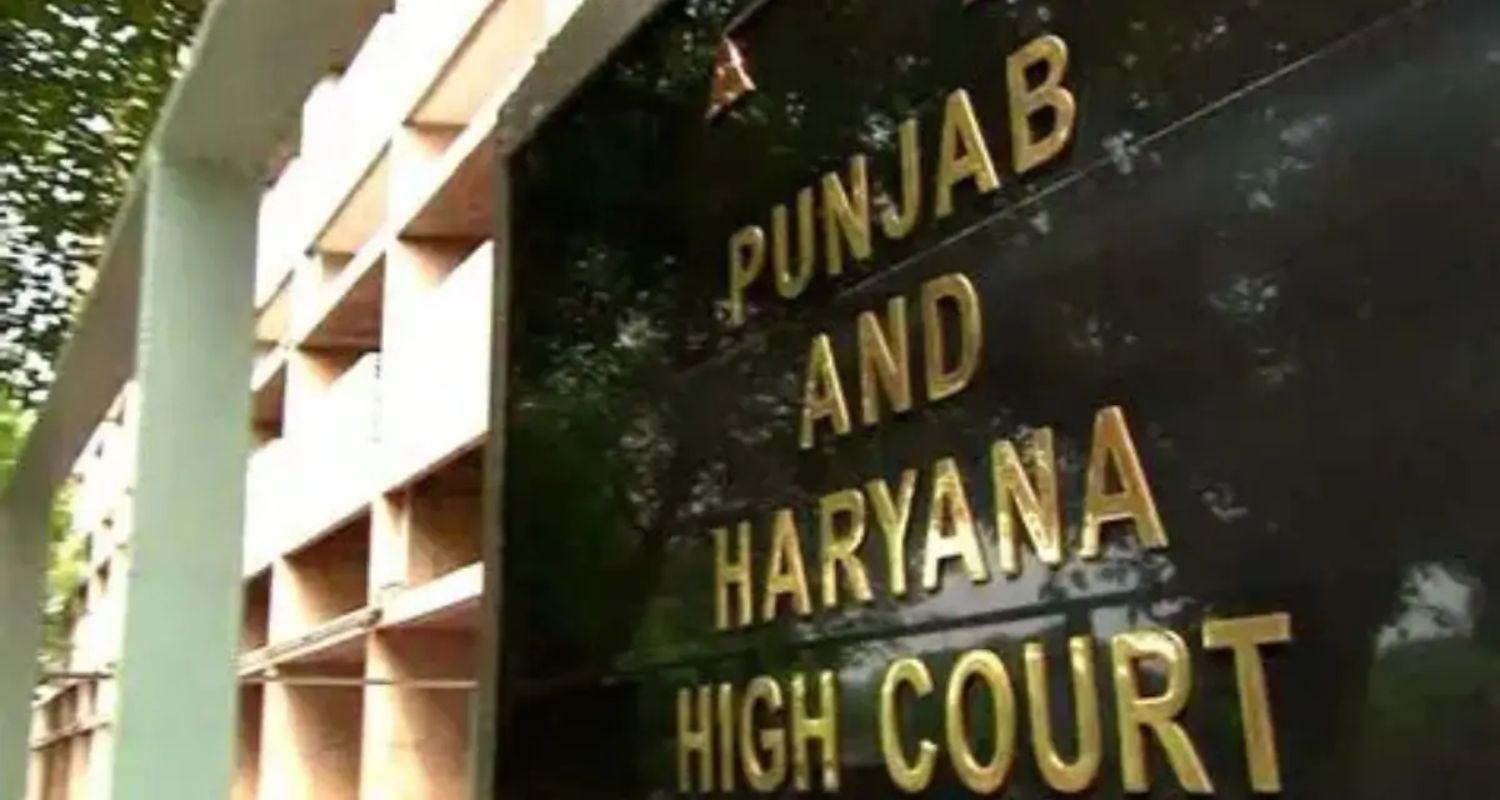
Holding that the violent attack on the Ajnala police station shook the “conscience of the entire nation” and amounted to a direct challenge to the sovereignty and integrity of the State, the Punjab and Haryana High Court has turned down at least five bail pleas.
In one of the bail pleas filed by Gurmeet Singh Gill, alias Gurmeet Singh Bakkanwala, Justice Surya Partap Singh ruled that the case shocked the conscience of the entire nation. An unlawful mob – including the petitioner – under the influence of “one Amritpal Singh”, took the law into their own hands by attacking the police station with an ill-intention to get one of their associates released from police custody instead of taking legal recourse.
The Bench said a careful perusal of record showed that the allegations against the petitioner were that he was a member of the mob armed with deadly weapons “which defied not only the directions issued by the public servants, but also threatened the authority of the State to the extent that it did not even shy away from inflicting injuries on the person of police officers performing duty at the spot”.
Justice Surya Partap Singh said the injuries inflicted by the mob were not only on junior-ranked officers, but also on senior ones, and that the nature of injuries was grievous. The overall conduct of the mob, whose activities were otherwise duly recorded/videographed, led to the conclusion that it not only threatened the rule of law and the authority of State. but also challenged the majesty of the sovereign country, he said.
“Thus, the usual parameters which are adopted for the consideration of bail petition for a person accused of committing an offence cannot be made applicable to the present case by default. The rule of prudence prescribes that extraordinary measures are supposed to be taken in extraordinary condition and the situation so created by the mob was such that by any parameter it could not have been treated to be a normal/ordinary law and order issue,” Justice Surya Partap observed.
The high court also observed that the trial had already been expedited under its directions. The State informed the court that a large majority of the witnesses had already been examined and that the trial was proceeding on an almost day-to-day basis within a fixed timeline. In these circumstances, the Bench held that there was no violation of the petitioner’s fundamental right to a speedy trial.
Also read: Amritpal’s associates produced in court

 Follow us