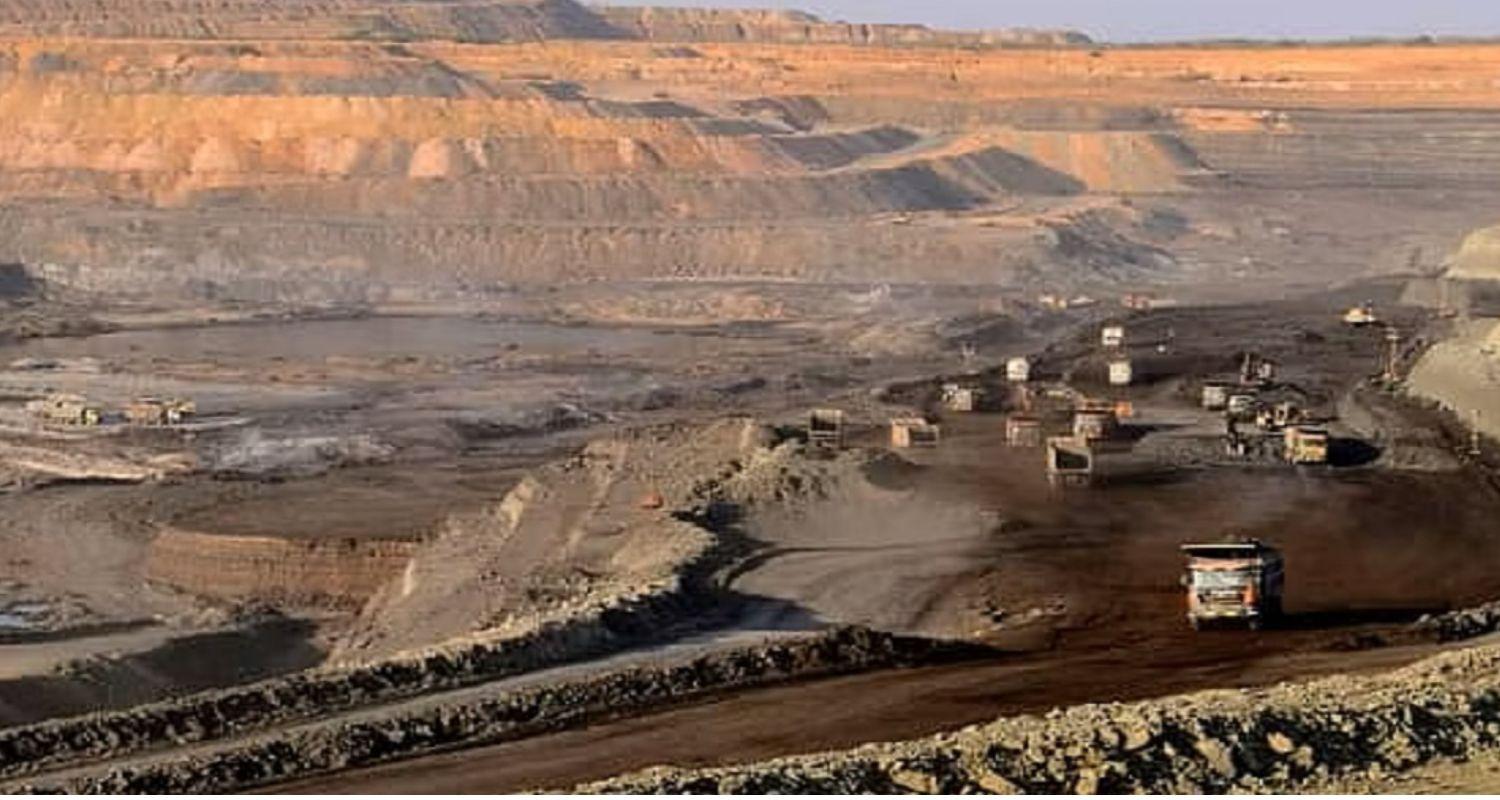
With the 974 km long coastline endowed with rich mineral resources, Andhra Pradesh is positioning itself as India’s leading strategic mineral powerhouse, targeting over Rs 50,000 crore in industrial investments.
The state has vast reserves of critical, rare earth, and precious minerals. Working in tandem with the Central Government under national indigenization mandates, AP is executing an aggressive commercialization roadmap designed to break import dependencies, particularly from China.
From the landmark launch of India’s largest private-sector gold mine to being designated an official national “Rare Earth Corridor” (REC), AP is rapidly translating its subterranean wealth into economic reality.
The joint efforts between the state and Centre focus on rapid exploration, expedited e-auctions, and high-value downstream industrial setups that are transforming the state’s economic landscape.
Mineral wealth profile
According to data from the Union Ministry of Mines and the Andhra Pradesh Mineral Development Corporation (APMDC), the state controls a massive, highly coveted share of India’s raw strategic assets:
Heavy Mineral Beach Sands: The state has earmarked 16,000 hectares along its 974 km coastline. These specialized beach sands are rich in Ilmenite, Rutile, Zircon, Garnet, and Titanium— boasting up to 60 per cent Rare Earth Oxides essential for superconductors, clean energy, and aerospace.
Dominant National Shares: Andhra Pradesh holds an impressive 31 pc of India’s total garnet reserves and 13% each of magnetite iron ore and premium limestone.
The Precious Metal Push: The Jonnagiri Gold Project in Kurnool district has transitioned into full commercial operations. Boasting estimated gold reserves of up to 50 tonnes, it is slated to produce 750 kilograms of pure gold annually.
The Union Budget has designated AP as the National Rare Earth Corridor (REC) and proposed establishment of a dedicated national zone for rare earth processing.
Following the Union Budget mandate, AP is capitalising on the Centre’s Rs 7,280 crore Rare Earth Permanent Magnet (REPM) Manufacturing Scheme. This allows the state to offer financial capital subsidies to businesses building advanced downstream processing plants.
Adhering strictly to the Central Mines & Minerals Development and Regulation (MMDR) Act, the state has fast-tracked competitive commercial bidding. Over 21 core mineral blocks have already been cleared through central tranches, drawing heavy private sector participation.
The rollout of the state’s internal Minor Mineral Policy has streamlined local approvals. In the past two years, the state logged over 1,700 corporate lease applications, directly pushing state mining revenues to Rs 3,416 crore, representing a 32pc year-on-year spike.
While opening up massive corridors for heavy industry, the state government has instituted central monitoring systems to prevent exploitation and ecological damage.
AP is home to the second-highest beach sand mineral reserves in India, accounting for nearly 25 per cent of these national resources.
These resources are particularly high in concentrations of ilmenite, rutile, zircon and monazite, which is a key source of rare earth elements (REEs).
Beach sand minerals are critical inputs across a range of high-value industries — from paints and aerospace components to nuclear fuel and permanent magnets used in electric vehicles and wind turbines.
Ilmenite and rutile are processed into titanium dioxide pigment and titanium metal, while monazite yields rare earth oxides essential for electronics and clean energy technologies.
Currently, India imports over 75 per cent of its titanium dioxide pigment requirements, with nearly two-thirds sourced from China, despite having some of the world’s largest titanium mineral reserves.
Also read: Andhra Police arrest Hyderabad-based journalist KV Reddy

 Follow us