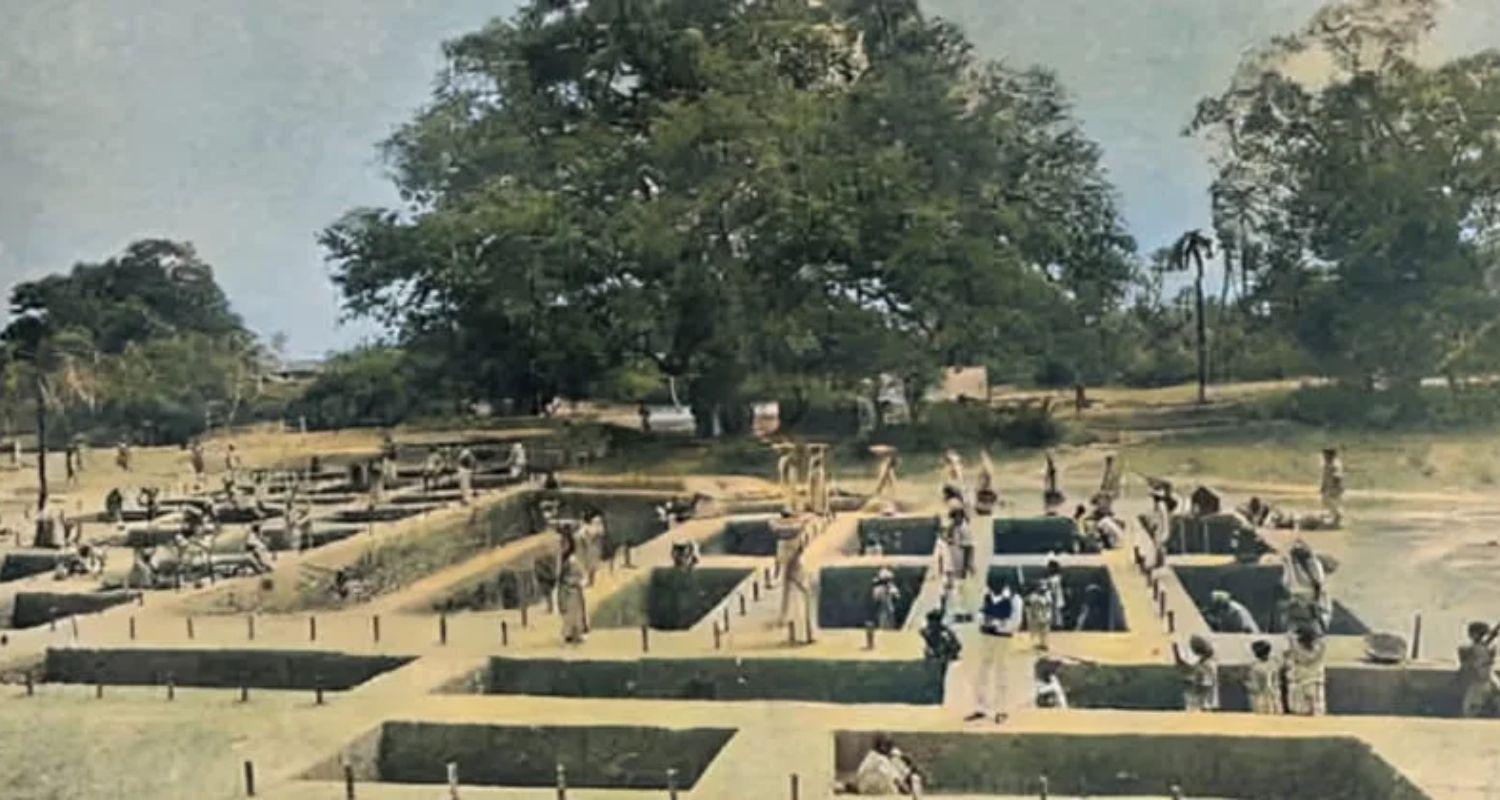
The Patna Circle of the Archaeological Survey of India (ASI) has submitted a formal request to its headquarters seeking approval to conduct an excavation at Kurkihar village in Bihar’s Gaya district.
The proposed excavation aims to uncover archaeological treasures and further establish the region’s cultural and historical significance.
Kurkihar village, located approximately 5 kilometers northeast of Wazirganj and 27 kilometers east of Gaya, is believed to have been an ancient city and a thriving Buddhist monastic site. The region has long been recognised for its rich archaeological heritage, with previous discoveries indicating a strong Buddhist presence dating back several centuries.
According to records maintained by the ASI Patna Circle, the site was first documented by British Army officer and archaeologist Alexander Cunningham in 1861-62 and later revisited in 1879-80.
Cunningham, who served as the first director of ASI, reported discovering numerous Buddhist sculptures, both large and small, alongside a significant number of votive stupas. His accounts suggest that Kurkihar was once a prominent Buddhist center, home to extensive religious and cultural activities.
Proposed Excavation Plans
Confirming the development, Sujeet Nayan, Superintending Archaeologist of ASI Patna Circle, stated, “We have formally sought permission from the ASI headquarters to initiate an excavation at Kurkihar. The site contains substantial antiquarian remains, which were first brought to scholarly attention by Markham Kittoe in 1847 and later reinforced by Cunningham’s findings.”
Nayan highlighted that the site consists of a vast mound of bricks and the remnants of a large monastery. “The primary mound of the Buddhist ruins stands approximately 25 feet high. Our proposal to the ASI headquarters seeks to conduct a systematic excavation to uncover its hidden architectural wealth,” he added.
Discovery of Bronze Sculptures and Inscriptions
Kurkihar gained further attention in 1930 when a significant cache of 226 bronze sculptures was accidentally unearthed from a mound on the western side of a local temple. Noted historian K.P. Jayaswal extensively documented this discovery, emphasizing its importance in understanding the region’s Buddhist history.
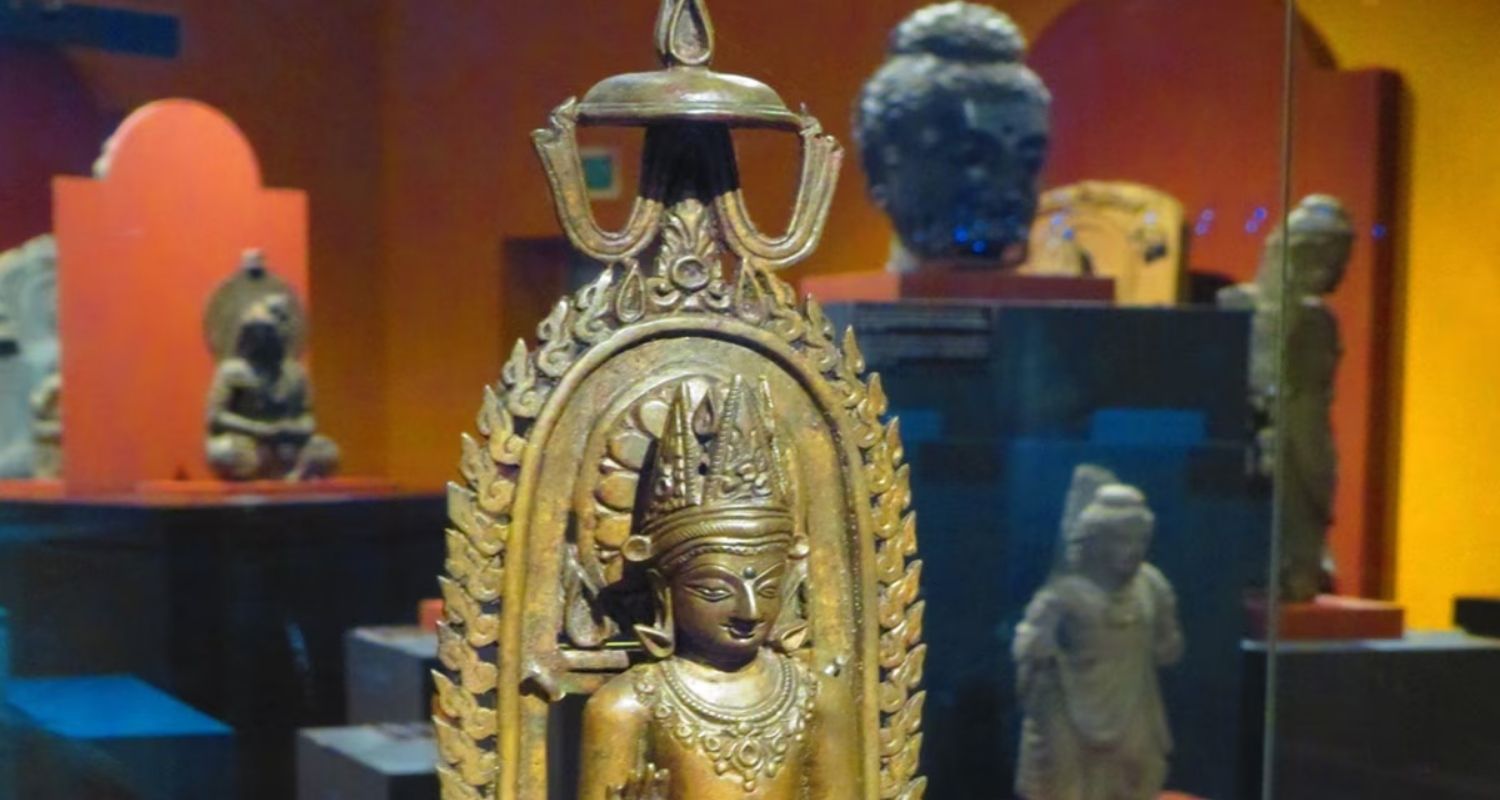
Most of these bronze sculptures, believed to belong to the Pala period, were subsequently acquired for the Patna Museum, with some finding their way to international museums. The site has also yielded numerous stone statues from the same era, some of which continue to be venerated at the local temple.
Furthermore, inscriptions discovered on the bronze sculptures provide crucial insights into the timeline of the Pala dynasty rulers, including Devapala, Rajyapala, Mahipala, and Vigrahapala III. These inscriptions span from the 9th century to 1074 AD, reinforcing Kurkihar’s historical relevance as a significant monastic center during the Pala period.
The Apanaka Monastery and International Influence
The monastery at Kurkihar, known as Apanaka, is mentioned in several inscriptions. Historical evidence suggests that the monastery attracted visitors not only from different parts of India, including Kanchi in South India, but also from international locations, underscoring its importance as a Buddhist learning and cultural center.
Given the site’s immense archaeological and historical value, ASI Patna Circle’s request for excavation approval marks a crucial step toward preserving and further understanding Bihar’s rich Buddhist heritage.
If approved, the excavation at Kurkihar could provide deeper insights into the region’s past and potentially lead to groundbreaking discoveries that reshape the understanding of India’s Buddhist history.
Also Read: 'Didi Ki Rasoi': Empowering Bihar’s rural women through food



 Follow us