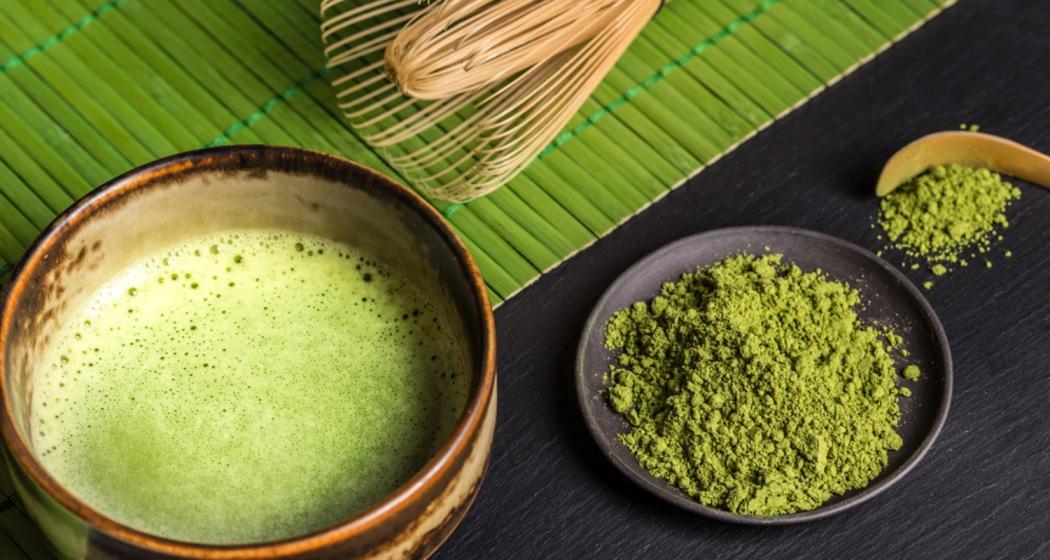
Assam has become the first state in India to commercially produce Matcha tea, marking a significant diversification of its globally renowned tea industry, Chief Minister Himanta Biswa Sarma announced on Friday.
Commercial production has begun at the Chota Tingrai Tea Estate in Tinsukia district, with the Chief Minister describing the milestone as a major step in expanding Assam's presence in the global premium tea market.
Sharing the development on social media platform X, Sarma said the initiative builds on Assam's rich tea heritage while opening new opportunities through the production of Matcha, a finely ground green tea powder that has gained worldwide popularity for its distinctive flavour and health benefits.
"Your favourite Matcha brew will now be produced in Assam. Furthering our glorious tea legacy, Assam becomes the first state in India to commercially produce Matcha tea at the Chota Tingrai Tea Estate in Tinsukia," he said.
Also read: Two Bangladeshis held at Guwahati airport with fake Aadhaar card
Sarma said the diversification would further strengthen the Assam Tea brand in international markets and create new avenues for tea growers and exporters.
He attributed the achievement to a decade-long collaboration between India and Japan, under which Japanese expertise, production techniques and specialised machinery were introduced to Assam's tea sector. He described the project as a successful example of Indo-Japan cooperation driving innovation in agriculture and manufacturing.
According to the Chief Minister, the first lot of commercially produced Matcha tea fetched ₹13,000 at the Guwahati Tea Auction Centre, indicating encouraging demand for the premium product.
Calling the initiative a "resounding success" of Indo-Japan collaboration, Sarma said it would help position Assam as a producer of high-value speciality teas in addition to its traditional black tea varieties.
The development is expected to boost value addition in the state's tea industry, diversify product offerings and strengthen Assam's competitiveness in premium international tea markets, where demand for Matcha has grown steadily in recent years.

 Follow us