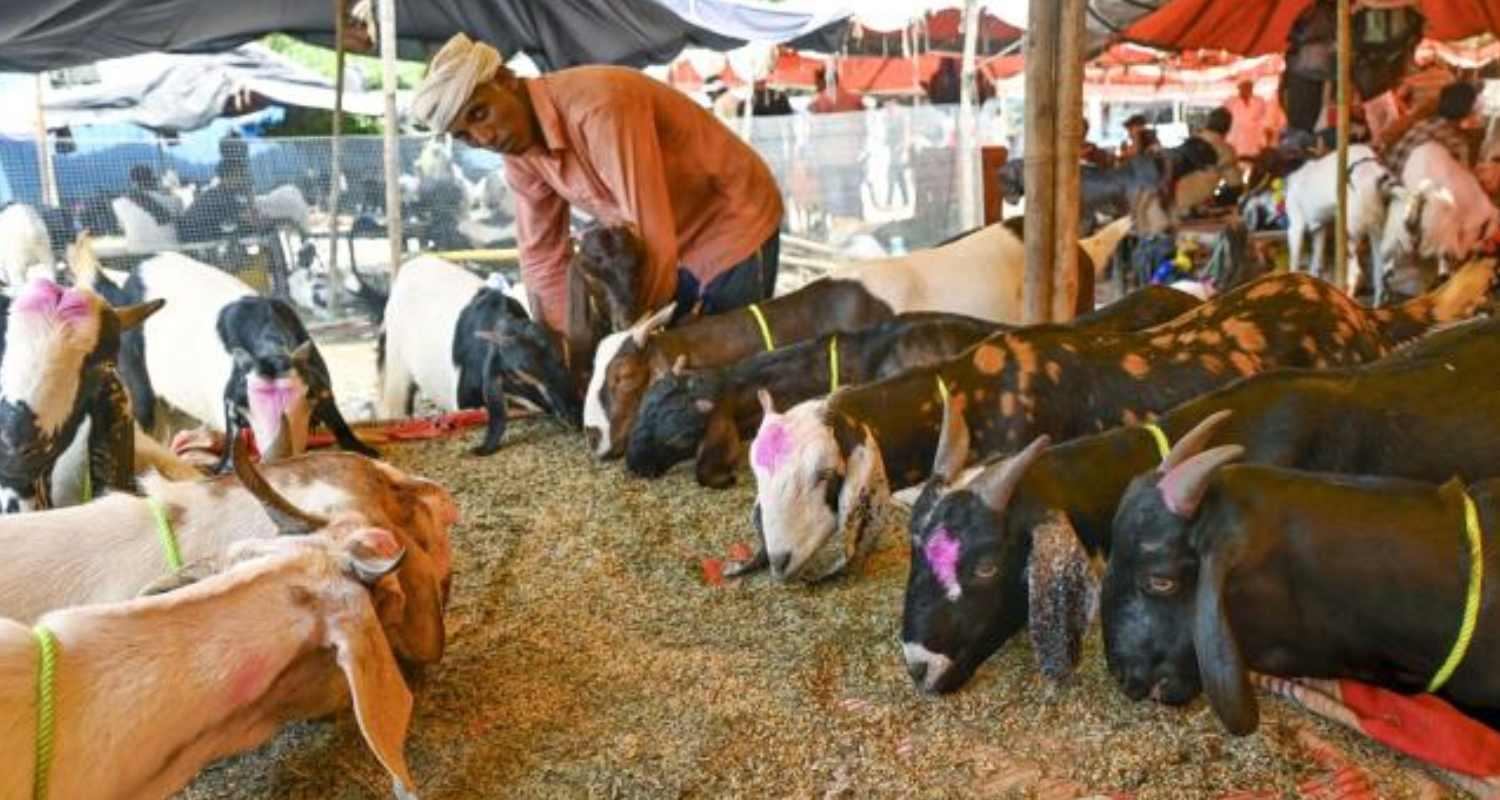
In a significant regulatory move, the West Bengal government has announced that it will initiate strict legal action against unauthorised animal sacrifice and the killing of animals for religious purposes. A special notification issued by the State Home Department declared that indiscriminate animal sacrifice will now be treated as a punishable offense under the law.
The directive introduces a comprehensive set of rules governing the slaughter of livestock, including cows, buffaloes, bulls, oxen, and calves. According to the notification, these animals may only be considered for sacrifice if they are at least fourteen years old. Under no circumstances can animals below this age threshold be slaughtered under normal conditions.
However, the government has outlined specific exceptions. Animals may be deemed eligible for sacrifice if they are severely weakened due to old age, suffer from grave injuries, possess physical deformities, or are incapacitated by incurable diseases.
To enforce these provisions, the state has established a strict certification process. A valid certificate confirming the animal’s eligibility for sacrifice is now mandatory. This certificate must be jointly issued by local administrative authorities and authorised veterinary practitioners. In urban areas, the Municipal Chairperson, along with a government-approved veterinary surgeon, will assess the condition of the animal. In rural regions, the responsibility lies with the President of the Panchayat Samiti and a veterinary official.
The notification emphasises that no animal may be slaughtered without this joint certification. It also categorically prohibits any form of coercion in obtaining such certificates. If authorities refuse to grant approval, any attempt to forcibly carry out the sacrifice will be deemed illegal. Applicants, however, may appeal the decision within 15 days to the appropriate state department.
The government has also imposed strict restrictions on the location of animal sacrifice. Even with a valid certification, slaughter cannot take place in public spaces, along roadsides, or in densely populated areas. All such activities must be conducted exclusively within designated slaughterhouses authorised by the administration. These measures, officials say, are aimed at preserving ecological balance and ensuring public health.
To ensure compliance, designated government officials and veterinary doctors have been empowered to conduct inspections at any time under the provisions of the West Bengal Animal Slaughter Control Act, 1950. Obstructing these officials during inspections will invite stringent legal consequences.
A senior official at Nabanna, the state secretariat, noted that both the Calcutta High Court and the Supreme Court of India have previously issued directives to regulate public and mass animal sacrifices, particularly during large religious gatherings. The current measures, the official added, have been introduced in alignment with those judicial directives.
The notification also outlines penalties for violations. Individuals found guilty of slaughtering animals without proper certification, conducting sacrifices in unauthorised locations, or obstructing officials may face imprisonment of up to six months, a fine of up to Rs 1,000, or both, depending on the severity of the offense.
The move is being seen as part of the state government’s broader push to ensure administrative transparency and prevent cruelty to animals, reflecting a stricter enforcement approach across sectors in recent times.



 Follow us