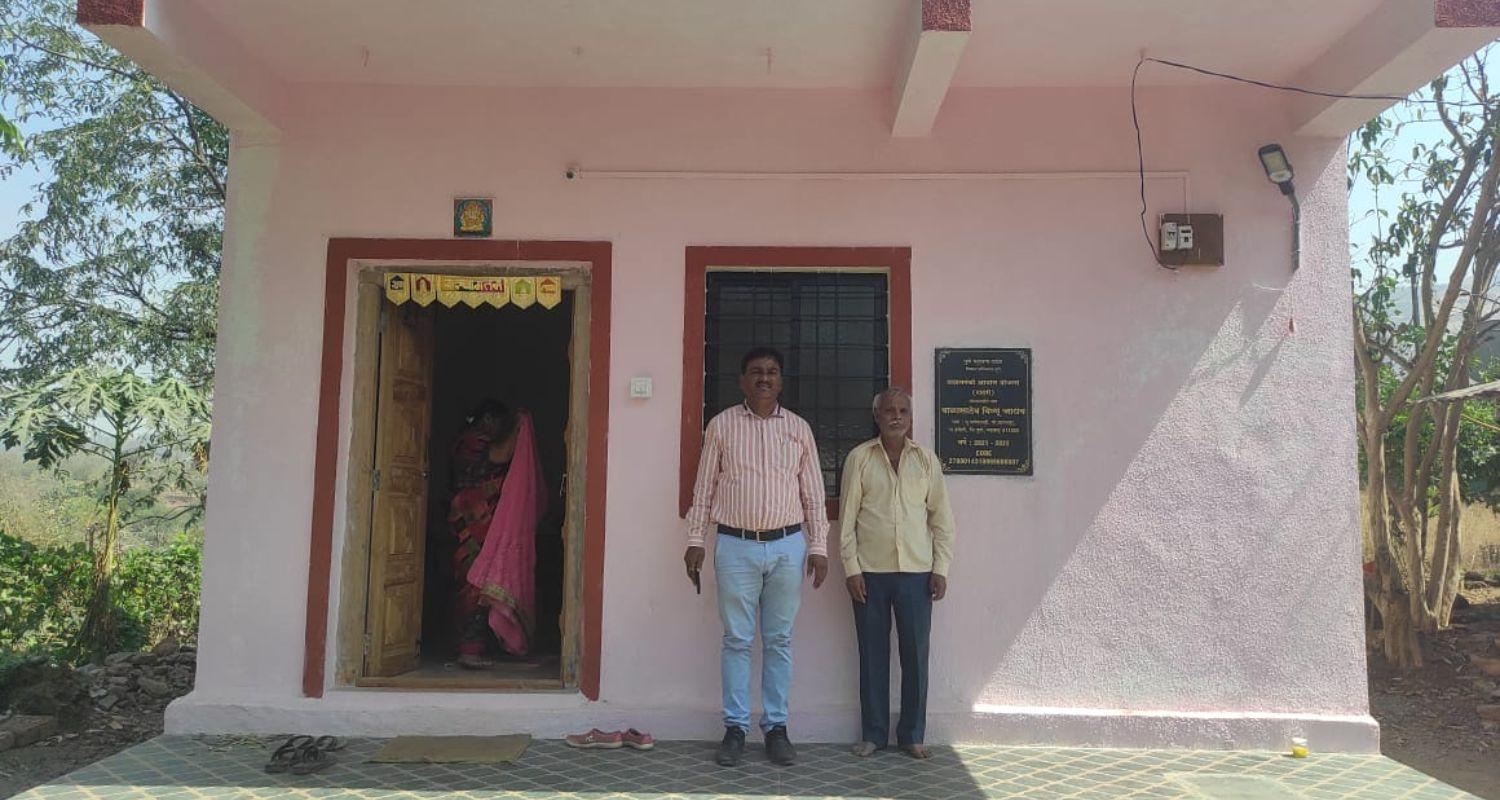
In a significant move aimed at boosting rural infrastructure in West Bengal, the Centre led by PM Narendra Modi has approved the construction of 10 lakh houses under the Pradhan Mantri Awas Yojana (PMAY), alongside a broader financial package covering roads, employment, and pensions.
According to official sources, a total of Rs 1,700 crore has already been sanctioned for the state, including allocations for rural roads, pension schemes, and the 100-day work programme. The move comes immediately after the conclusion of the Lok Sabha elections and is being viewed in political circles as a major step toward revitalising Bengal’s rural economy.
The Awas Yojana had remained a contentious issue in the state over the past few years. In 2022, the Centre had halted fund disbursal citing allegations of corruption, despite initially allocating Rs 8,200 crore for the construction of 11.5 lakh houses. The suspension of funds had triggered a prolonged political standoff between the Centre and the state government.
In response, the government led by Mamata Banerjee undertook the construction of nearly 28 lakh houses over the past two financial years using state funds. With the Centre now approving an additional 10 lakh houses, officials believe that the number of kaccha houses in rural Bengal is set to decline significantly, offering relief to economically weaker sections.
Infrastructure development has also received a boost, with Rs 800 crore sanctioned under the Pradhan Mantri Gram Sadak Yojana (PMGSY). Rural road construction in the state had slowed considerably in recent years, although the state government had launched its own ‘Pathashree’ scheme ahead of the elections. The fresh central allocation is expected to accelerate road connectivity projects across villages.
Additionally, Rs 700 crore has been earmarked for the resumption of the 100-day work scheme in Bengal from June, while Rs 600 crore has been approved for rural pension schemes under the Panchayat Department.
Political analysts suggest that the timing of these allocations — following the formation of the new government at the Centre — may carry political significance. Leaders of the BJP have highlighted the move as an example of the ‘double-engine’ governance model, arguing that alignment between the Centre and state can unlock faster development.
Also read: Mahua targets Yusuf as rift in TMC widens

 Follow us