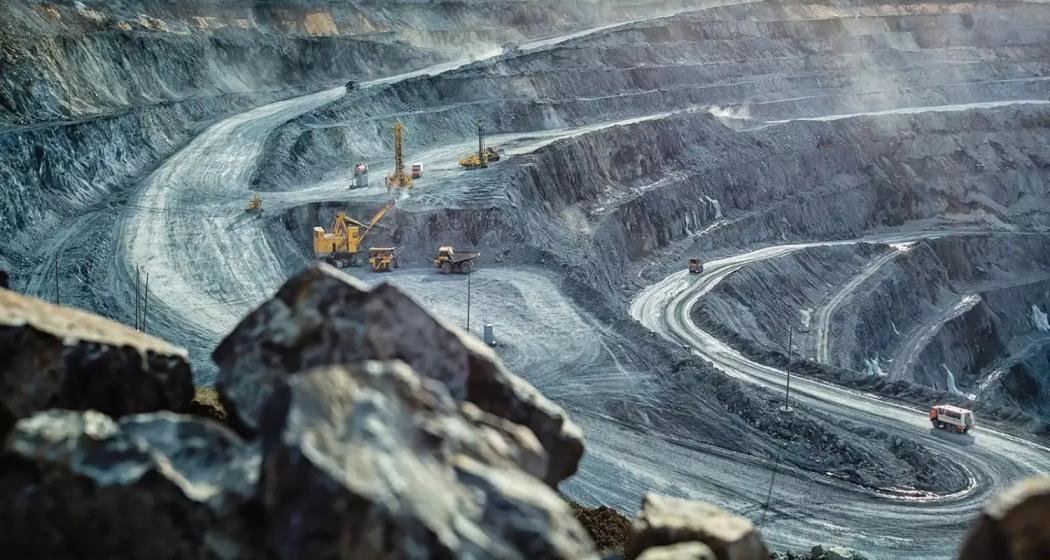
The Centre has agreed to constitute a committee to examine Meghalaya's proposal for greater control over coal mining approvals, marking a significant step in the state's efforts to streamline the process for scientific mining under the existing legal framework.
The decision was discussed during a meeting in New Delhi between Chief Minister Conrad K. Sangma and Union Coal and Mines Minister G. Kishan Reddy. Sutnga-Saipung MLA Santa Mary Shylla also attended the meeting.
During the discussions, the Meghalaya government sought the transfer of powers under Section 26 of the Mines and Minerals (Development and Regulation) Act, 1957, enabling the state to process certain mining approvals locally instead of relying on central authorities. The Chief Minister also submitted a memorandum outlining the state's case for revising the existing approval mechanism.
The memorandum argues that Meghalaya's unique pattern of land ownership makes the prevailing mining framework difficult to implement. Unlike many other mining states, coal reserves in Meghalaya are spread across small parcels of land owned by individual families and clans, making the conventional model of large mining leases impractical.
Also read: Coal mining: Meghalaya CM Sangma seeks greater powers
According to the state government, the mandatory requirement of a 100-hectare mining concession has prevented many tribal landowners from undertaking legal mining operations, as such contiguous landholdings are rare in the state. It also pointed to the high cost and logistical challenges associated with obtaining approvals from central authorities for small-scale deposits.
The state has urged the Union government to issue the necessary notifications under Section 26 of the MMDR Act, along with relevant provisions of the Mineral Concession Rules, 1960, and the Mineral Conservation and Development Rules, 2017, to allow approvals to be processed at the state level while ensuring compliance with environmental and legal norms.
Responding to the proposal, the Union Coal and Mines Minister agreed to the formation of a committee to examine Meghalaya's request and recommend an appropriate course of action. The state government said the committee is expected to be constituted shortly.
The discussions come against the backdrop of the National Green Tribunal's 2014 ban on rat-hole coal mining, which brought mining activities across large parts of Meghalaya to a standstill. The restrictions significantly affected livelihoods, particularly in East Jaintia Hills, and reduced government revenue from coal-related taxes and royalties.
No policy change has been approved at this stage. The proposed committee will review the state's recommendations before submitting its report, after which the Centre will decide whether amendments or procedural changes are required. Any future reforms are expected to focus on promoting scientific coal mining while maintaining environmental safeguards, worker safety and regulatory oversight.

 Follow us