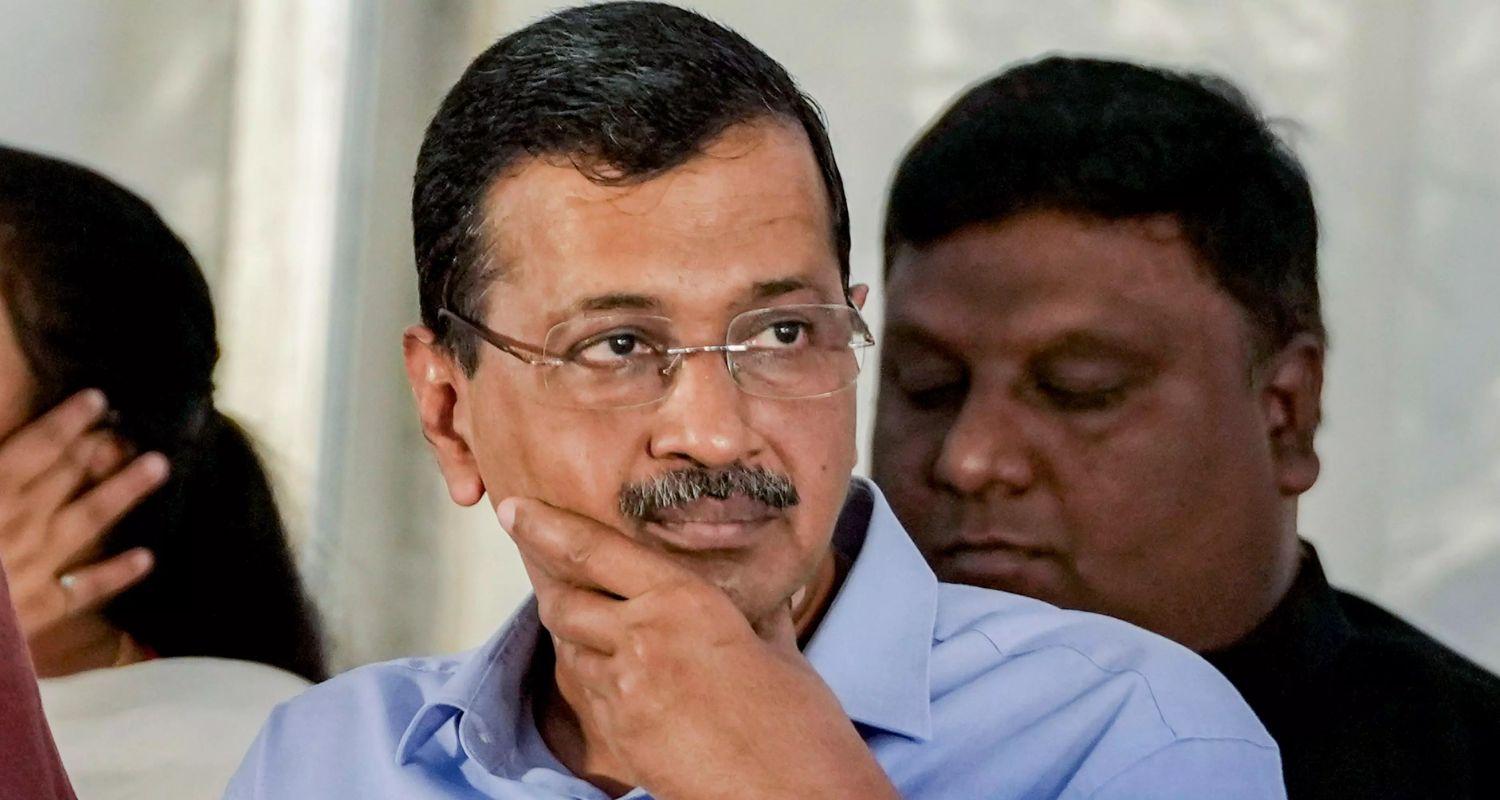
Arvind Kejriwal, the former Chief Minister of Delhi, has been summoned to appear before the Delhi Legislative Assembly’s Committee of Privileges today, March 6. The summons, issued by the Assembly Secretariat, relates to ongoing proceedings within the committee, though the specific nature of the inquiry has sparked a public row over transparency and parliamentary protocol.
In anticipation of the hearing, Kejriwal wrote to the Secretariat on March 3 formally requesting that the session be live-streamed. He also argued that the public has a right to witness the proceedings, especially as he faces questioning regarding the "Hanging House" issue. Taking to social media, he framed the summons against a backdrop of broader city grievances, noting that while Delhi struggles with pollution, broken roads, and medicine shortages in hospitals, the Assembly has chosen to focus its attention on him. He insisted that broadcasting the encounter would be in the best interest of public transparency.
However, the Assembly Secretariat has firmly rejected the proposal. In an official release, the Secretariat clarified that committee proceedings are strictly confidential under the existing Rules of Procedure. The response noted that there is no precedent for broadcasting such sittings, either in the Indian Parliament or in any other state legislature.
The Chairperson of the committee also reportedly expressed surprise at Kejriwal’s request, pointing out that as a former member of the House for over a decade, he should be well aware of the long-standing rules regarding private sessions. The Secretariat’s letter took a pointed tone, reminding the former Chief Minister that numerous such sittings occurred during his tenure, none of which were ever telecast or streamed.
Despite the denial of his request for a broadcast, Kejriwal is expected to attend the hearing as scheduled. The meeting marks is significant given the ongoing friction between the former leader and the legislative body he once headed.
Also read: CBI says discharge of Kejriwal, others 'patently illegal'

 Follow us