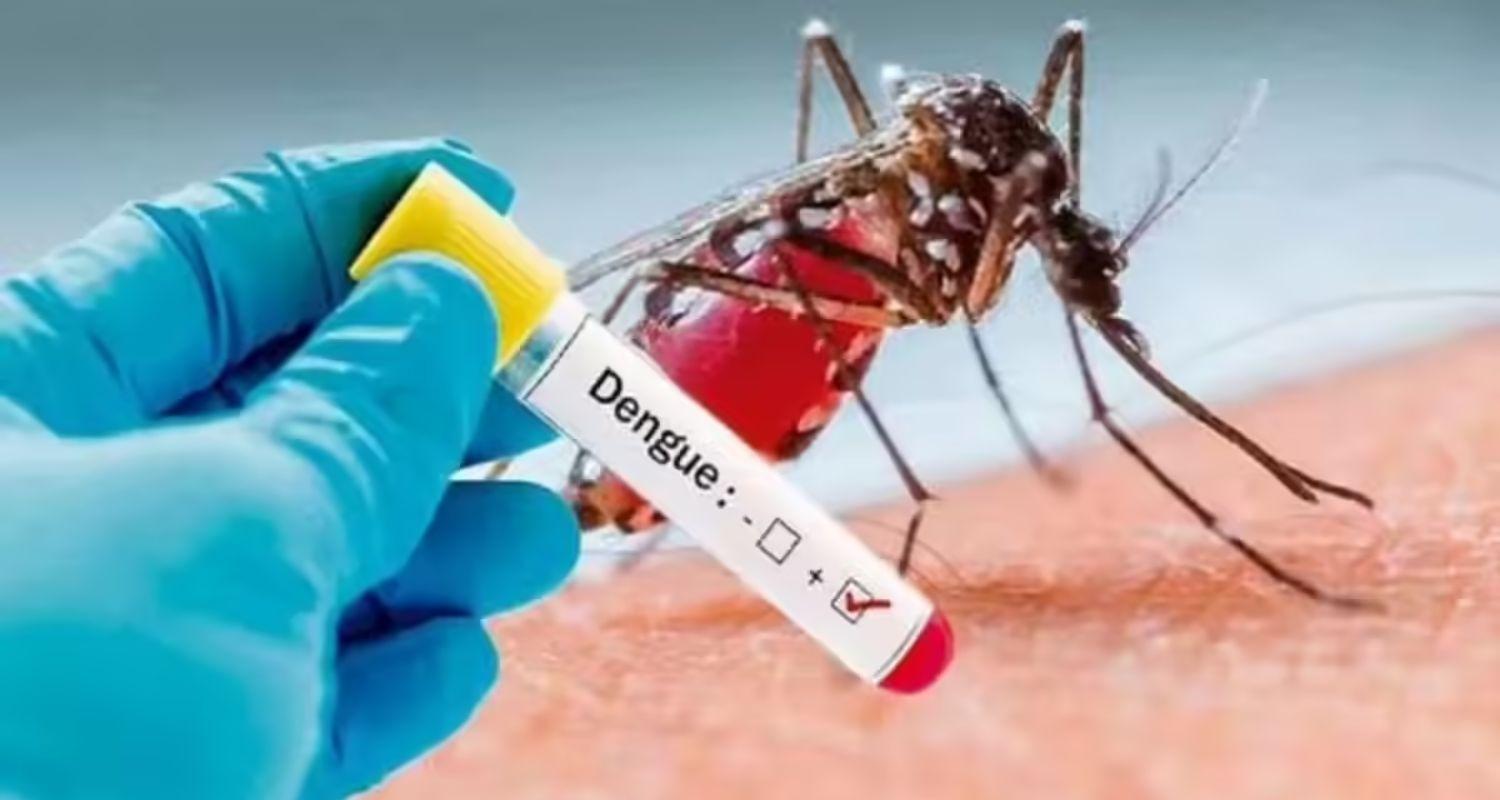
The recent numbers released by the MCD have revealed a disturbing state of affairs in terms of the health condition of the city, with April witnessing the highest-ever incidence of dengue infections in the last five years. A total of 52 infections were registered in April alone, reflecting an ominous trend in comparison to the 42 infections seen in 2025 and the 12 seen in 2022. The trend is on the rise with each passing year, indicating the increasing number of early season dengue infections. In April alone, a total of 107 dengue cases have been confirmed.
While dengue is on the rise, the data for malaria offers a slightly different perspective. The city recorded 29 cases up to April, which, although higher than the 15 cases seen in 2023, marks a slight decline from the 39 cases reported during the same period last year. Officials have linked this year's figures to sporadic rainfall throughout April, which created ripe conditions for mosquito breeding well before the arrival of the monsoon.
To address this growing problem, the MCD has increased its larva control drives considerably. The pre-emptive steps include a large number of house-to-house surveys; nearly 12.15 lakh houses had been surveyed till early May, marking a sharp rise compared to other years. The survey detected over 15,000 houses that had breeding grounds for mosquitoes, resulting in over 16,000 notices being served, along with 1,700 prosecution cases.
Apart from the conventional methods of fogging and inspection, the municipality is now turning towards biological treatment for regulating the population of larvae. The measure adopted by the civic body is the ‘Guppy-8’ operation where the larvivorous fish is allowed to enter the water tanks and pots in order to feast on mosquito larvae before they become adults. Although the life of these fishes in home pots continues to be an issue, there seems to be a difficult monsoon coming up.
Also read: YouTuber held in 1995 kidnap-murder case

 Follow us