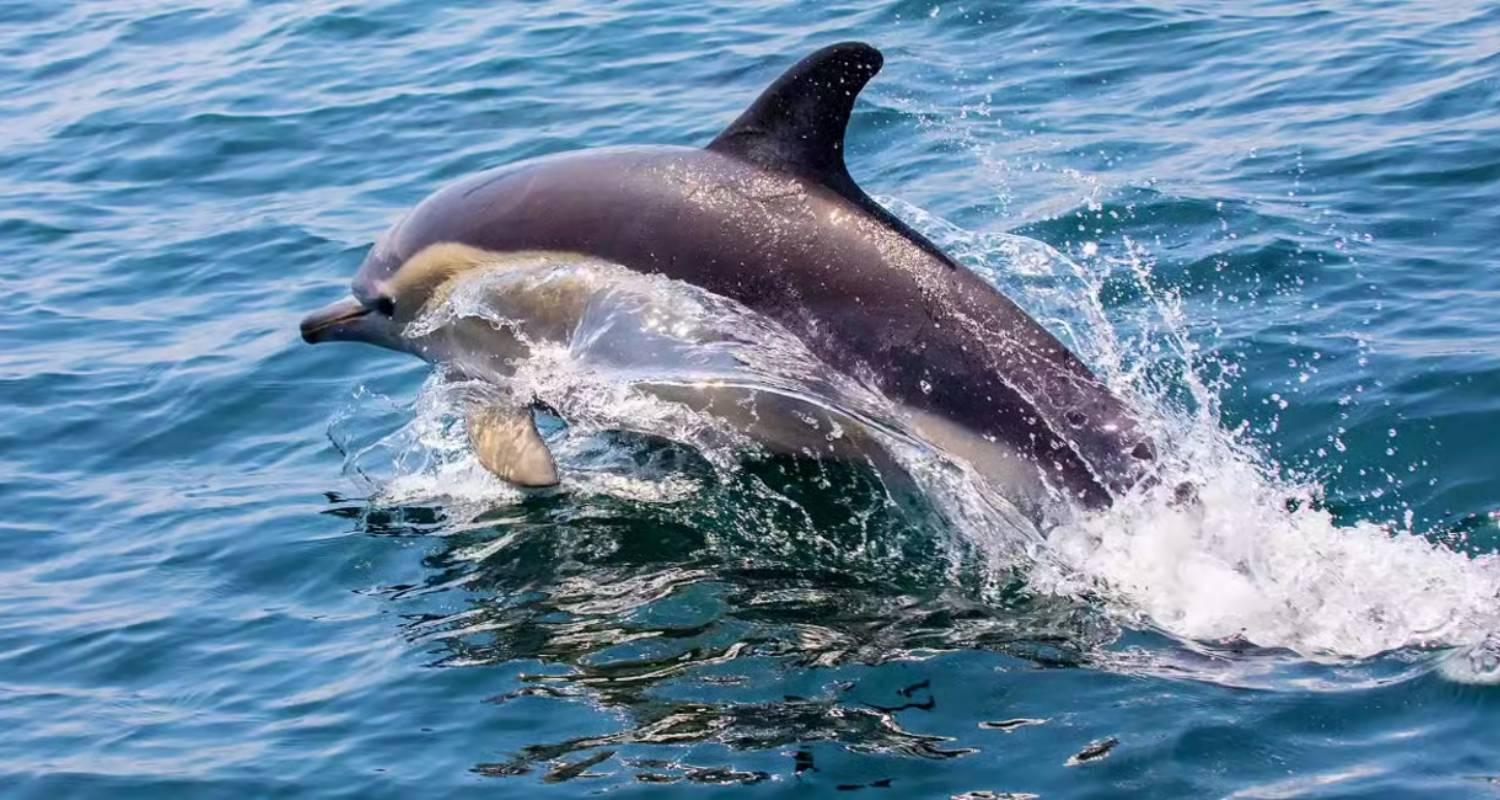
A dolphin census exercise has commenced in Odisha following sightings of dolphins at several locations across the Chilika Lake, as per officials.
The three-day enumeration drive is being carried out by the Chilika Wildlife Division in coordination with the Chilika Development Office at Balugaon and Satapada to assess the current population, distribution, and habitat use of dolphins in Asia’s largest brackish water lagoon.
Amlan Nayak, Divisional Forest Officer (DFO) of the Chilika Wildlife Division, said the census began early morning after two major locations were identified as operational bases for the dolphin census units.
“The dolphin census has begun today and will continue for another two days. Two locations have been identified where the dolphin census units will operate: Balugaon and Satapada,” Nayak said.
There were 10 dolphin census units deployed from Balugaon, with multiple teams on boats covering predefined routes, each boat carrying five to six trained members he added.
Also Read: Endangered dolphins dying in Assam rivers, Centre issues data
“A total of 18 routes have been identified. These routes have already been defined using GPS points by the scientists at the Chilika Development Authority,” the DFO said.
According to Nayak, the teams are recording dolphin sightings using binoculars and laser rangefinders to note angles, distance, and precise locations that will be provided by GPS devices. “They will record the results in a notepad and also take waypoints using the GPS devices provided to them. Finally, they will submit the data to the control room for compilation,” he explained.
The daily survey begins at 6 am and is expected to conclude by noon, depending on the length of the assigned routes.
“The exercise started at 6 a.m. and is expected to be completed by 12 noon, as some routes are short while others are a bit longer. Last year’s census results recorded a total of 174 dolphins, of which 159 were Irrawaddy dolphins, and 15 were humpback dolphins,” he added.
The results of the 2026 census are expected to provide updated data for ongoing conservation strategies in this vital wetland ecosystem.

 Follow us