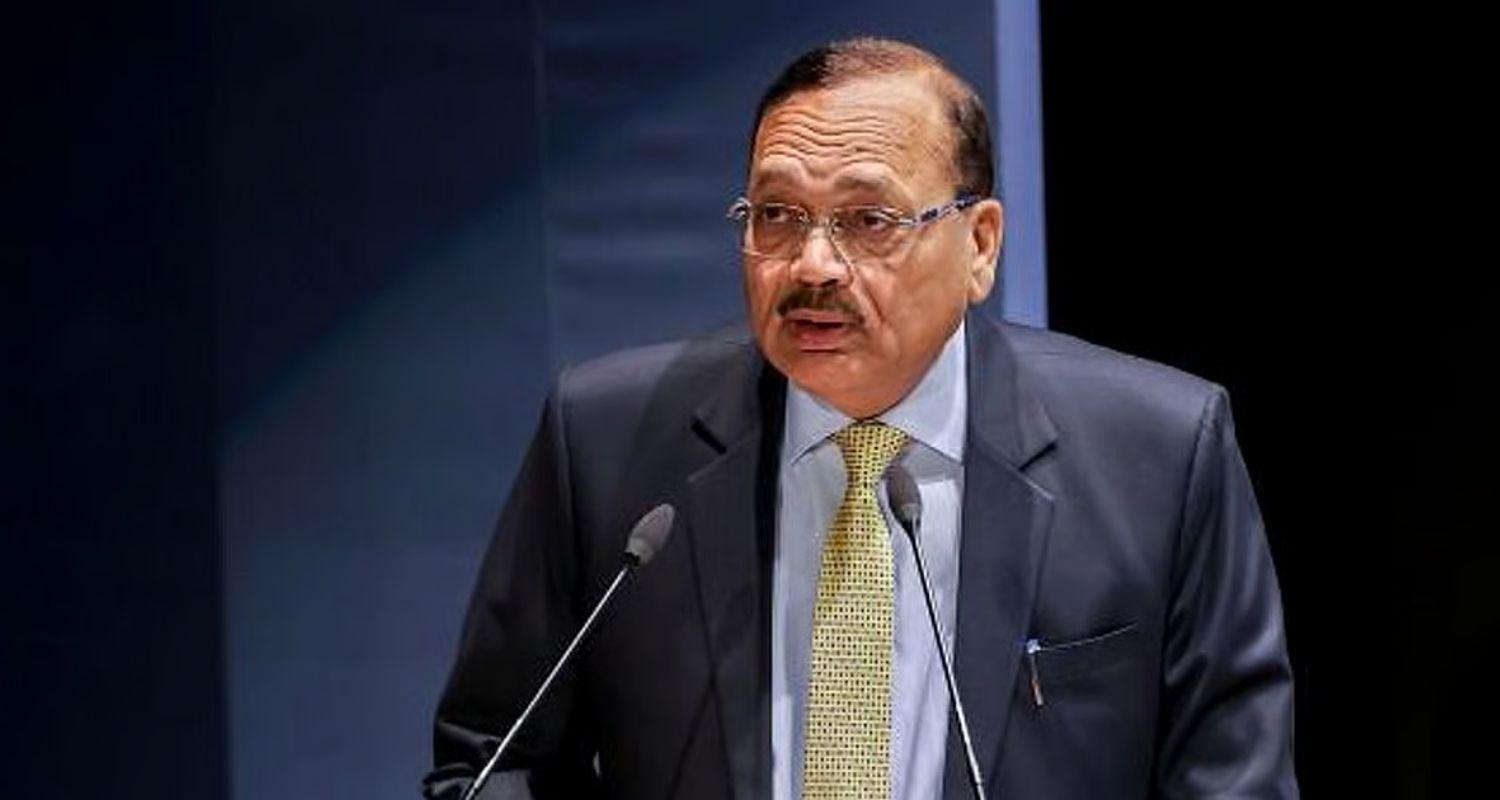
A democracy does not invest in higher education only so that graduates become prosperous. It does so to ensure that citizens can govern themselves well, Chief Justice of India Surya Kant said on Saturday.
Addressing the 12th convocation of the Central University of Haryana in Mahendragarh, the CJI said "Every institution of public life -- the courts, the civil services, the schools, the hospitals, the local governance bodies -- all depend for their quality on the calibre of the people who choose to serve within them.”
Justice Kant noted that in just 17 years, the university has earned national accreditation and recognition for its rapid growth. He told students that their degrees reflect the knowledge they have gained and they should take pride in it. However, he added that a degree cannot measure character and judgement. According to him, these qualities shape a person’s life once formal education ends.
The CJI said some graduates from top institutions fail under pressure. This often happens not because they lack knowledge, but because they have only been tested through examinations.
On the other hand, he said, many professionals from lesser-known institutions succeed through calmness and seriousness. Such people often earn the trust and confidence of those around them.
He said the difference often lies not in talent but in upbringing. "Those who grew up observing their families manage scarcity with dignity, who understood early on that the world does not rearrange itself for your convenience and who entered professional life already knowing that hard work is not just a phase but a permanent state, they carried something that no curriculum can teach. They carried a seriousness that was not performative but genuine," Justice Kant said.
Justice Kant said many students present at the convocation had similar backgrounds. For many families, a university degree is not taken for granted but achieved through collective effort and sacrifice.
He said families invest in education not only so that their children earn a living but also so that they build something meaningful for society. The CJI reminded students that education is supported by public resources. Classrooms, laboratories and teachers are funded through citizens’ taxes, including those who may never attend a university.
This, he said, creates a responsibility. Education is not just a personal benefit but a social obligation. Democracies invest in higher education so that educated citizens contribute to responsible self-governance.
Referring to the Ramayana, he spoke about Bharat placing Lord Ram’s “paduka” on the throne and ruling as a trustee rather than as a ruler. He said this shows the difference between holding power for oneself and exercising it for others.
Justice Kant urged students to stay connected to society and contribute to public systems rather than only benefiting from them. Using the example of a raider in the game of Kabaddi, he said success lies in judging the line between ambition and overreach.
He concluded by advising students to carry forward the discipline taught by their families, the resilience shaped by their environment and the straightforward spirit for which Haryana is known.

 Follow us