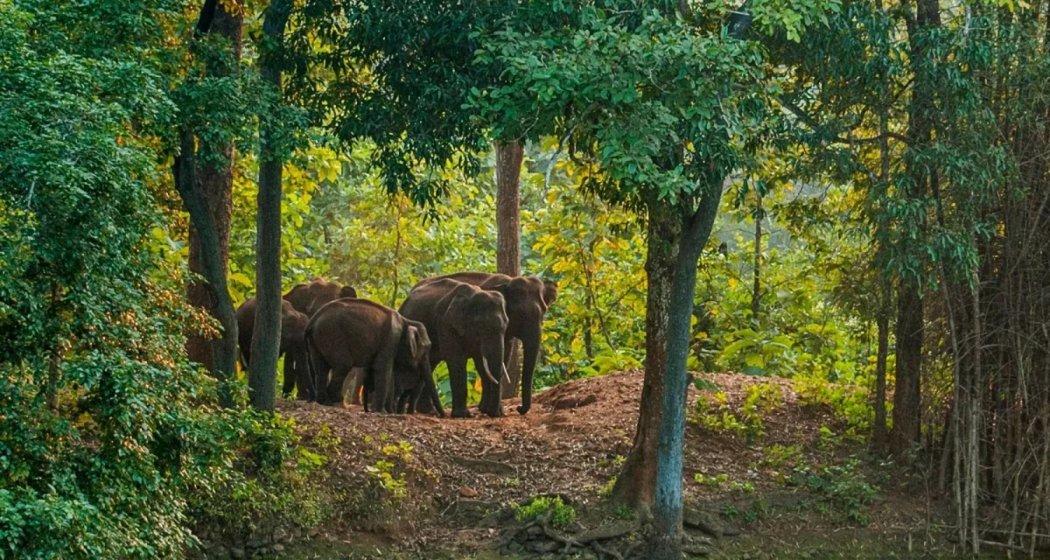
The death of a four-and-a-half-year-old female elephant at Bandhavgarh Tiger Reserve in Madhya Pradesh has raised concerns of a possible anthrax infection, with forest authorities initiating precautionary measures and heightened surveillance in the area.
The elephant, named Gayatri, died on Wednesday after reportedly being unwell for several days. Officials said she exhibited symptoms including severe diarrhoea, anal bleeding and extreme weakness, eventually collapsing and dying.
Preliminary findings by a wildlife medical team from Jabalpur, along with a veterinary doctor from the reserve, indicate that the symptoms are consistent with a suspected case of anthrax.
Anthrax, caused by the bacterium Bacillus anthracis, is a soil-borne disease that primarily affects domestic and wild animals such as cattle, sheep and goats. It can lead to high fever, respiratory distress and severe bleeding, often resulting in sudden death. Humans may contract the infection through contact with infected animals or contaminated animal products, though it does not spread from person to person.
Also read: Tiger cub found dead in Kanha, toll at 22 this year
Deputy Director of the reserve Yohan Katara said all precautionary protocols were followed. “Considering the potential for anthrax, standard operating procedures issued under Project Elephant of the Ministry of Environment, Forest and Climate Change were implemented. A designated committee was formed, and the carcass was disposed of scientifically to prevent any spread of infection,” he said.
In line with guidelines for suspected anthrax cases, the carcass was disposed of through controlled burning and disinfection. The cremation was carried out in the presence of senior officials, including Field Director Mahendra Pratap Singh and representatives of the National Tiger Conservation Authority, along with local administrative and community representatives.
Authorities have also alerted the District Medical Officer and District Veterinary Officer of Umaria district, directing them to ensure vaccination measures and safety protocols for individuals who may come into contact with animals.
Surveillance in and around the reserve has been intensified as officials monitor the situation closely to prevent any potential spread of infection.

 Follow us