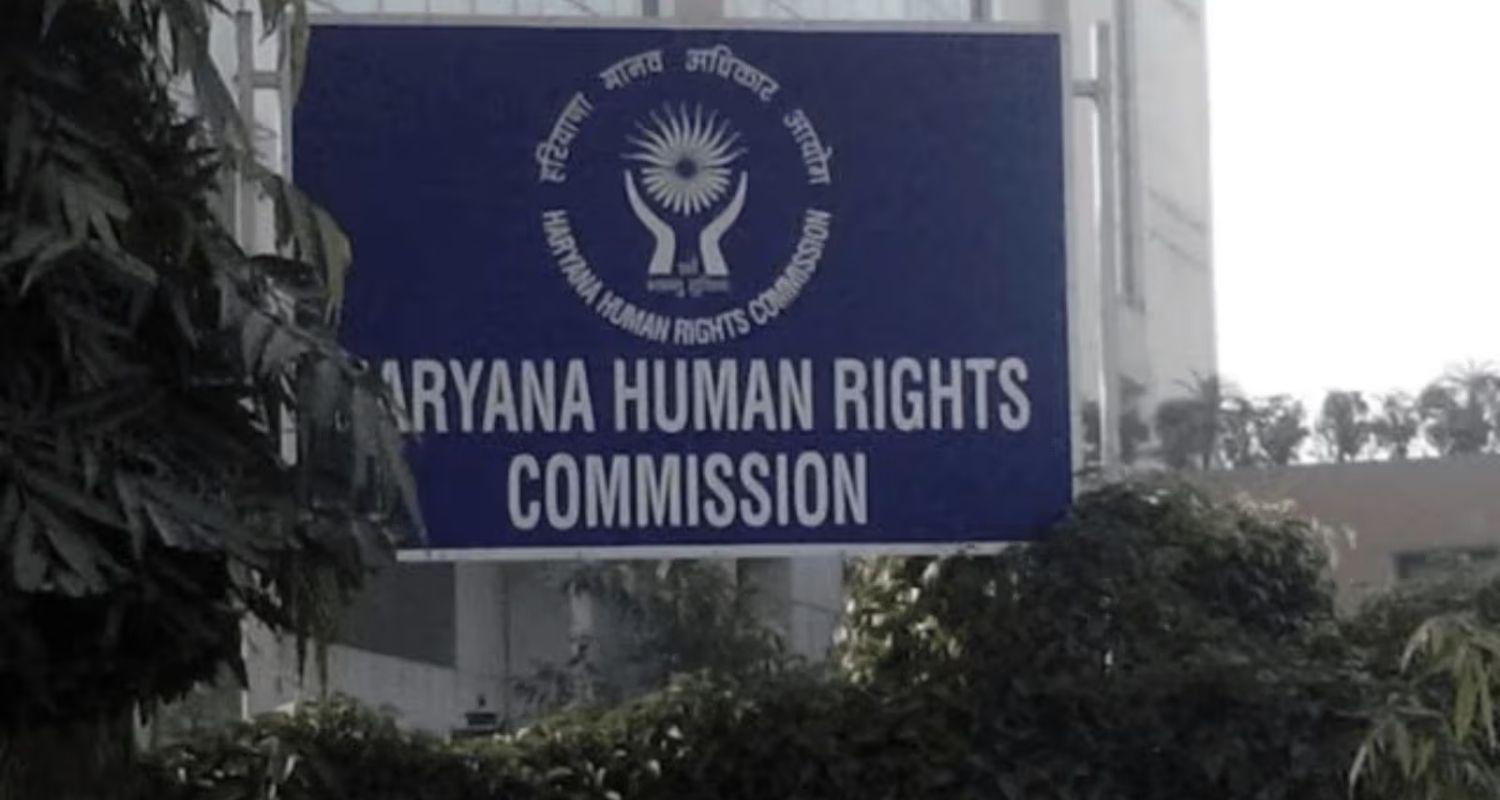
The Haryana Human Rights Commission (HHRC), taking suo motu cognisance of an incident in which a deceased woman’s body was transported home from a hospital on a motorised cart, has directed authorities to ensure that people, especially the poor and illiterate, receive full support in accessing hearse services.
The commission said the health and administrative machinery must safeguard the dignity of the deceased and protect the rights of grieving families. The matter was registered as a suo motu case by the HHRC on the basis of a news report published on January 30.
The report stated that a 35-year-old woman died during treatment at Badshah Khan Civil Hospital in Faridabad. Due to financial difficulties, her family was forced to take her body home on a motorised cart.
In its order dated February 2, the commission observed that the right to life guaranteed under Article 21 of the Constitution is not limited to living with dignity but also includes dignity after death. The panel noted that the incident exposed a wider systemic gap, where economically weaker sections often fail to access basic services even after the death of a family member.
The HHRC asked the state government to frame a detailed policy for free transportation of deceased persons belonging to poor families, similar to free ambulance services provided to pregnant women.
During a hearing held on April 4, the full commission, comprising chairperson Justice Lalit Batra and members Kuldip Jain and Deep Bhatia, reviewed reports submitted by various departments and authorities.
Officials informed the commission that a free hearse vehicle is available at Civil Hospital, Faridabad, through the Red Cross Society. However, the family could not avail the facility due to lack of awareness and procedural knowledge.
Expressing serious concern, the commission headed by Justice Lalit Batra directed that hospital staff must be sensitised towards the needs of poor and illiterate persons and actively assist them in availing hearse services.
The commission further ordered that contact details of hearse services should be prominently displayed in all government health institutions so that the public can easily access them. It also directed that at least one functional hearse vehicle must be available in every district and stationed within hospital premises to ensure immediate availability during emergencies.
According to reports placed before the commission, 12 out of 14 deep freezers at Civil Hospital, Faridabad, are currently functional, while two units remain under repair. Authorities have also proposed setting up a modern cold room for preservation of bodies.
The commission emphasised the need for adequate police security outside mortuaries to avert illegal activities, tampering of evidence, or any untoward incidents. The health and police departments have been asked to coordinate and make necessary arrangements.
The HHRC has sought detailed reports from all civil surgeons across Haryana, asking them to specify whether hearse services are available in their districts and whether such facilities are operational within hospital premises.
HHRC Assistant Registrar Puneet Arora said the concerned authorities have been directed to submit comprehensive reports on all these issues at least one week before the next hearing scheduled for August 13.
Also read: Sandeep Pathak faces two arrest warrants after defection to BJP

 Follow us