Himachal Pradesh has become the first state in the country to prepare District Action Plans for Prevention and Control of Snakebite Envenoming (DAPSE) during the monsoon season, in line with the State and National Action Plans, in view of the rise in snakebite cases during the rainy season.
The State Action Plan for Prevention and Control of Snakebite Envenoming (SAPSE) is already being finalised by incorporating recommendations that emerged during the multi-departmental stakeholder consultation organised in Dharamshala earlier this month by the National Health Mission (NHM), Himachal Pradesh, in association with the Snakebite Awareness, Response, Prevention and Action (SARPA) project of the Indian Council of Medical Research (ICMR).
In a letter issued on July 15, 2026, Mission Director, NHM Himachal Pradesh, directed all Chief Medical Officers (CMOs), Medical Superintendents of hospitals and Principals of Medical Colleges to ensure the availability of Anti-Snake Venom (ASV) at the Primary Health Centre (PHC) level in all government health institutions.
The letter stated that, owing to the rise in snakebite cases during the monsoon season, sufficient stocks of Polyvalent Anti Snake Venom should be made available at all government health institutions, including Primary Health Centres (PHCs), Community Health Centres (CHCs), Civil Hospitals (CHs), Regional Hospitals (RHs), Zonal Hospitals (ZHs), District Hospitals and Medical Colleges.
The Mission Director also directed the authorities to ensure that, in the event of a snakebite emergency, adequate quantities of Polyvalent ASV are provided, wherever required, to the staff of the 108 Emergency Ambulance Service stationed at government health institutions. This is aimed at meeting any emergency and facilitating timely management of snakebite cases.
"All Chief Medical Officers shall ensure timely procurement and replenishment of ASV to maintain uninterrupted availability and achieve the goal of the 'Zero Snakebite Death Initiative' in Himachal Pradesh," the letter stated.
Directions have also been issued to establish Snakebite Treatment and Care Units in all government district hospitals and government medical colleges, along with the designation of Medical Officers specially trained in the management of snakebite cases, as per standard medical norms, to ensure timely and quality treatment.
The letter further directed all government health institutions to strictly follow the Standard Treatment Guidelines for Management of Snakebite (2017) issued by the Ministry of Health and Family Welfare, Government of India.
"The guidelines on Human-Snake Conflict Mitigation have already been issued by the State Surveillance Unit to all districts. The concerned authorities must ensure their effective implementation," it stated.
CMOs have also been asked to organise regular capacity-building programmes at the district level for Medical Officers, Staff Nurses, Pharmacists and other healthcare workers involved in snakebite prevention, surveillance, referral and case management.
The letter further emphasised that intensive Information, Education and Communication (IEC) programmes and awareness activities on snakebite prevention and control should be conducted up to the Panchayat level in coordination with multiple stakeholders, including the Forest, Agriculture and Education Departments, Panchayati Raj Institutions, Disaster Management Authority, National Rural Livelihood Mission, Municipalities, Self-Help Groups, civil society organisations, NGOs and other departments. These efforts are aimed at creating awareness regarding snakebite prevention, first aid, timely referral and early treatment through the preparation and implementation of DAPSE.
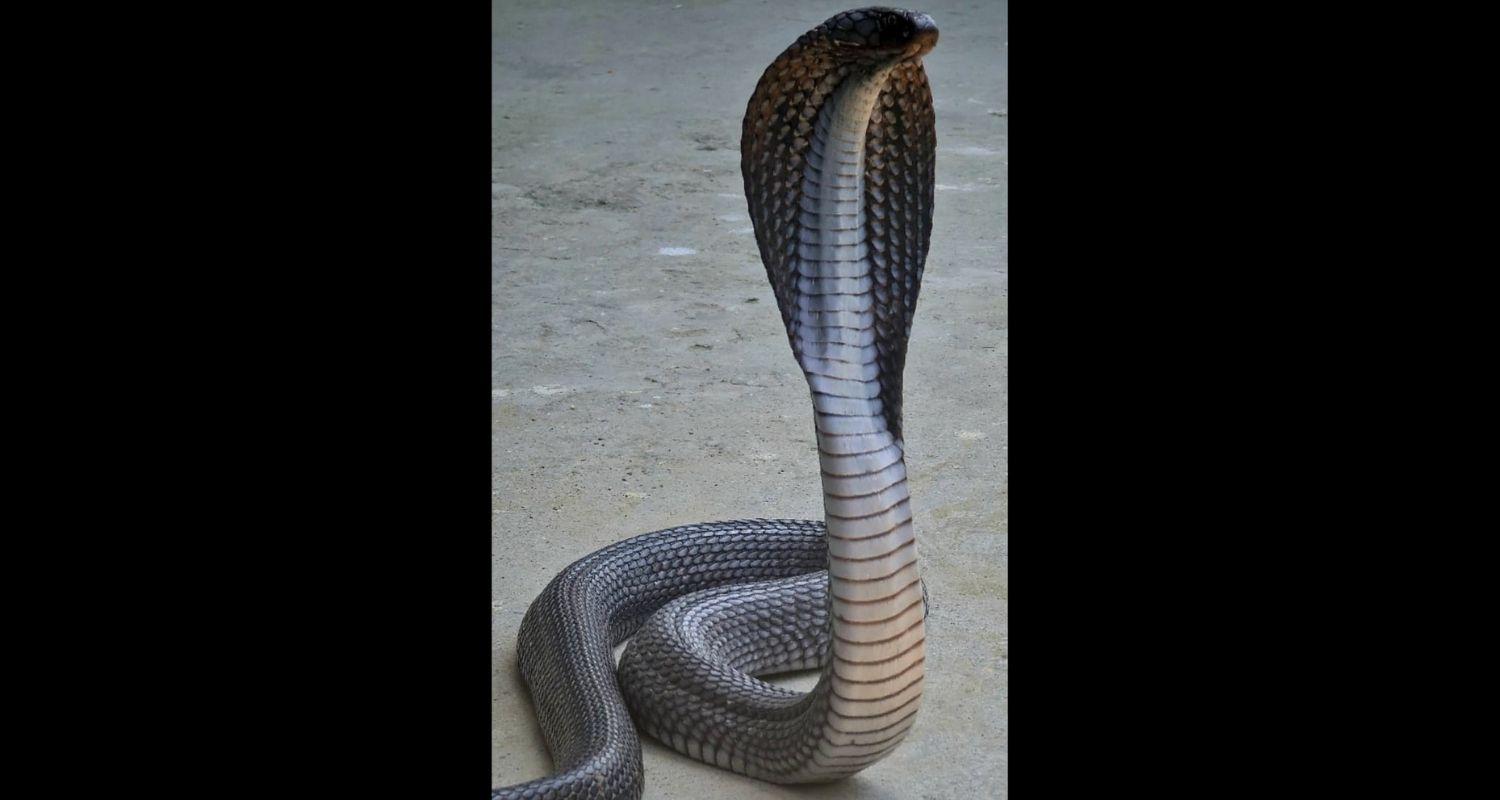
The rural hill state of Himachal Pradesh is home to several venomous as well as non-venomous snake species. The venomous species include the Central Asian Cobra (found in Chamba), Cobra, King Cobra (Sirmaur), Russell's Viper, Krait, Himalayan Pit Viper and Green Pit Viper. Non-venomous species include the Tree Snake, Common Wolf Snake, Himalayan Trinket Snake, Royal Snake and Indian Rock Python.
The SARPA project has recently completed the geographical mapping of venomous and non-venomous snakes in Himachal Pradesh in consultation with experts from the Health and Forest Departments and snake rescuers.
A significant number of snakebite cases are reported in Himachal Pradesh during the rainy season every year, and several deaths also occur. However, the exact number of deaths has so far remained unavailable.
"With the Himachal Pradesh government declaring snakebite a notifiable disease in February this year, reporting of all suspected, probable and confirmed snakebite cases, including snakebite-related deaths, on the IDSP/HIP portal has become legally mandatory. This will help generate accurate data on snakebite cases," said Dr Omesh Kumar Bharti, a snakebite expert on the WHO panel for Prevention and Control of Snakebite Envenoming.
Dr Bharti, who is Deputy Director with NHM Himachal Pradesh, said the District Action Plans for Prevention and Control of Snakebite Envenoming (DAPSE) would significantly help reduce snakebite deaths. He added that, in a majority of cases, people first approach traditional healers, ojhas or even local deities in some areas before seeking medical treatment. This delay often proves fatal.
"Once there is a delay in reaching the hospital, even Anti Snake Venom may not be effective, and the victim may die," doctors said.
The SARPA project, currently being implemented across seven states, focuses on community awareness, prevention and mitigation of snakebite envenoming. In Himachal Pradesh, the project is being implemented in the Nurpur and Jwalamukhi blocks of Kangra district with the objective of achieving the Zero Snakebite Death Initiative through community empowerment and effective mitigation of snakebite envenoming.
Also read: HP proposes to increase PG medical seats from existing 277 to 597

 Follow us