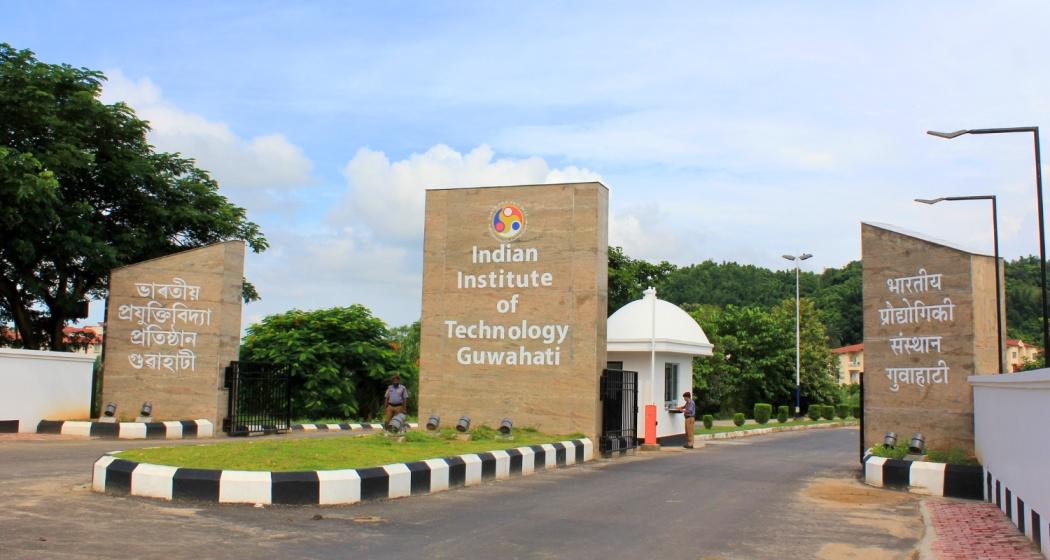
Researchers at the Indian Institute of Technology (IIT) Guwahati have developed a new method to produce cement mortar that is stronger, more durable and capable of blocking harmful radiation, with the aim of improving safety standards at nuclear facilities.
The innovation focuses on enhancing the material properties of cement mortar so that it can function both as a structural component and an effective radiation-shielding barrier. By modifying the composition of the mortar using specially engineered microparticles, the researchers were able to increase its density and durability, key factors that help limit the penetration of radiation.
The findings of the study have been published in the international journal Materials and Structures, highlighting the potential of the technology in strengthening nuclear infrastructure.
According to Hrishikesh Sharma, Associate Professor in the Department of Civil Engineering at IIT Guwahati, the improved mortar could significantly reduce the risk of radiation leakage in facilities such as nuclear reactors and other radiation-sensitive installations.
“This could help create more reliable protective walls and structures in areas where radiation exposure needs to be strictly controlled. The development may also support long-term safety in such facilities by providing materials that can maintain their shielding performance over extended periods of use,” Sharma said.
He explained that the safety of nuclear infrastructure largely depends on the performance of containment materials when exposed to extreme mechanical and radiation environments.
“Through this research, we have demonstrated that carefully engineered microparticle-modified cement mortar can significantly enhance both structural integrity and radiation-shielding capacity,” Sharma added.
Also read: IIT Guwahati develops tool to detect glacial hazards
Containment structures in nuclear facilities are designed to serve as protective barriers that prevent radiation from escaping during extreme situations such as earthquakes, explosions or sudden temperature changes. Cement mortar forms a crucial component of these structures, acting as the bonding and sealing material within reinforced concrete systems.
Improving the mechanical strength and shielding capacity of cement-based materials is therefore considered vital for ensuring that nuclear installations remain safe and resilient under demanding conditions.
Past nuclear disasters have also underlined the importance of robust containment systems. Incidents such as the Chernobyl disaster in 1986 and the Fukushima nuclear accident in 2011 demonstrated how failures in safety systems can lead to devastating consequences, reinforcing the need for stronger materials and improved engineering standards in nuclear facilities.
The researchers said that as countries expand nuclear power generation to meet rising electricity demands and climate goals, the safety and durability of nuclear infrastructure will become even more critical.
The IIT Guwahati team is now planning to scale up the developed mortar technology to create a full concrete mix design and carry out structural-level testing of reinforced concrete elements that incorporate the improved material.
Further research is also underway to optimise the dosage of microparticles in the mortar to achieve the best balance between mechanical strength, durability, workability and radiation-shielding performance.
The team is looking to collaborate with nuclear energy agencies, construction material manufacturers and infrastructure companies to test the technology in real-world conditions and explore its potential use in future nuclear facility construction.

 Follow us