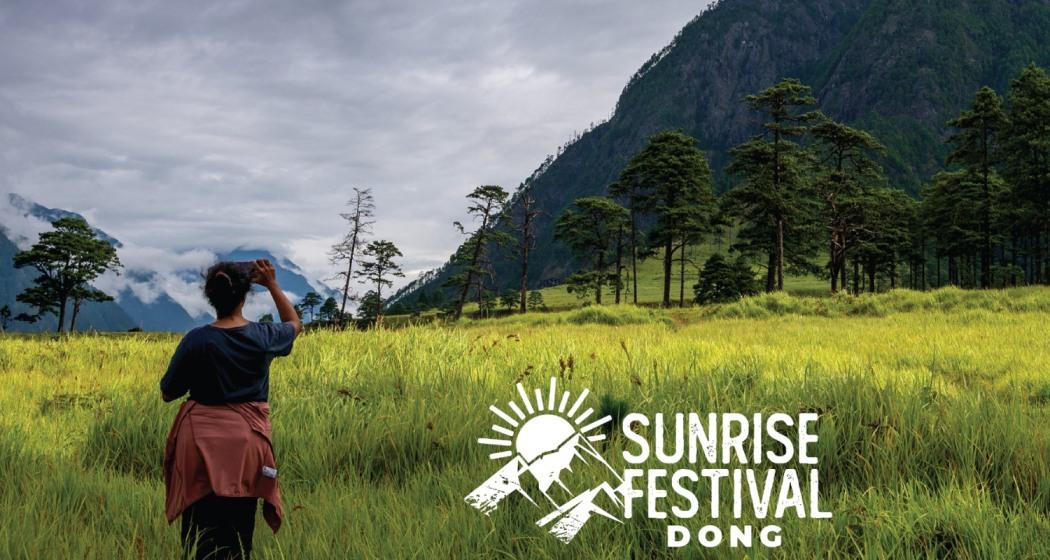
As the final dawn of the year approaches, India’s easternmost village is preparing to turn its unique geography into a celebration of culture, community and conservation. Arunachal Pradesh’s Dong, the first place in the country to witness sunrise, will host its inaugural Sunrise Festival from December 29 to January 2, inviting visitors to welcome the New Year with the nation’s earliest light.
The five-day, community-led festival will culminate in the first sunrise of 2025 and is designed as a platform to showcase Arunachal Pradesh as a destination rooted in nature, heritage and sustainable tourism. Officials said the event will bring together artists, explorers, scholars and travellers from across India and abroad.
Situated in the remote Anjaw district near the India-China-Myanmar tri-junction, Dong is home to the Meyor tribe and holds a symbolic place on India’s geographical map. Organisers said the festival seeks to foreground this distinction while creating livelihood opportunities for local communities.
Programmes planned across the five days include traditional sunrise ceremonies, cultural performances by communities from different parts of the state, guided treks, nature walks, river-based activities, eco-camping and village tours. Photography expeditions, workshops, folk art and craft sessions, along with local food showcases, are also part of the itinerary.
Also read: Army to lead pilgrimage expedition to Arunachal's Topo Gone peak
Sustainability has been placed at the centre of the festival’s design. Organisers said it will adhere to a strict eco-conscious framework under the theme of ‘No Trash, No Trace, No Excuses’, encouraging responsible travel and environmentally sensitive practices. A sunrise pledge is scheduled to be administered on January 1.
Chief Minister Pema Khandu said the festival highlights Dong’s unique status as the easternmost point of India and offers visitors a distinctive blend of natural beauty, cultural richness and adventure. He said the initiative aims to promote sustainable tourism, generate livelihoods for local residents and position Dong as a landmark of India’s geographical and cultural identity on the global tourism map.
Officials said the festival is expected to evolve into a signature event for the Northeast, reflecting the region’s biodiversity, cultural diversity and growing emphasis on eco-tourism.
Dong is located around 7 km from Walong, on the left bank of the Lohit river, and is surrounded by pine forests and snow-capped mountains. The nearest airport is Tezu, nearly 200 km away, while the closest railway station is at Tinsukia in Assam, about 300 km from the village, from where visitors must travel by road.

 Follow us